The Complete Guide to Choosing Comfortable Ballet Flats
Footwear trends have changed enormously over the years. Heel heights have risen and fallen, trainer silhouettes have evolved and countless styles have come and gone. Yet throughout it all, the ballet flat has remained one of the most dependable, relevant and versatile shoes a woman can own.
Part of its enduring appeal lies in its remarkable versatility.
A great pair of ballet flats can take you from the office to dinner, accompany you on holiday, slip effortlessly into your hand luggage or become the pair you instinctively reach for on a busy morning. Few shoes transition so naturally between different moments in life.
Of course, not all ballet flats offer the same experience.
Some feel wonderful when you first try them on but become uncomfortable shortly afterwards. Others promise support but lack elegance. Some are beautifully made but prove too delicate for everyday wear.
The very best ballet flats strike a careful balance between style, comfort, craftsmanship and practicality. They become the shoes waiting by your front door because you trust them to look elegant, feel comfortable and simply work, wherever the day happens to take you.
This guide brings together nearly two decades of experience designing ballet flats, alongside the questions we are most frequently asked by our customers. Whether you're choosing your first pair or looking to understand what separates an exceptional ballet flat from an ordinary one, you'll find everything you need to know here.
Why Have Ballet Flats Never Gone Out of Style?
Every few years, fashion magazines announce that ballet flats are making a comeback.
The truth is, they never really go away.
Perhaps that's because they never need to make a comeback in the first place. Women continue wearing ballet flats regardless of whatever trends happen to be dominating the season.
Unlike many footwear trends that enjoy a brief moment in the spotlight before disappearing again, ballet flats have remained a constant in women's wardrobes for generations because they strike such a careful balance between elegance, comfort, practicality and versatility.
Their origins, of course, can be traced back to classical ballet, where lightweight slippers were designed to allow freedom of movement while maintaining elegance and precision. During the twentieth century, designers began adapting that graceful silhouette for everyday wear, transforming the ballet flat into one of the most enduring shoes ever created.
Icons such as Audrey Hepburn helped establish ballet flats as a symbol of understated sophistication, while every generation since has embraced them for remarkably similar reasons. They offer elegance without feeling overdone, practicality without sacrificing style and a versatility that very few other shoes can match.
Today, ballet flats continue to evolve.
Contemporary designs place greater emphasis on premium materials, thoughtful construction and all day comfort. Soft leathers, cushioned insoles and carefully engineered flexibility have transformed what was once considered a simple flat shoe into something capable of supporting modern lifestyles.
That evolution reflects a broader shift in the way many women now think about footwear.
Rather than buying shoes for one specific occasion, more women are looking for pieces that can move effortlessly through different parts of their lives. A pair of ballet flats worn to work in the morning might later accompany dinner with friends, a weekend city break or a day spent exploring somewhere new.
That desire for versatility extends beyond ballet flats, too. Trainers have become an equally important part of the modern woman's wardrobe, particularly for days when walking, travelling or being on your feet for longer periods calls for a different kind of footwear. You can explore our collection of women's trainers for another take on everyday comfort and style.
Versatility has become just as important as style.
It's one of the reasons ballet flats continue to feel every bit as relevant today as they did decades ago.
If you're interested in how women's footwear has continued to evolve beyond ballet flats, you may also enjoy reading our article, The Evolution of Women's Footwear: From Ballet Flats to Sustainable Trainers.
Are Ballet Flats Still in Style?
If you've ever searched online to see whether ballet flats are still fashionable, you've probably noticed countless headlines declaring that ballet flats are "back".
The interesting thing is that they never seem to disappear in the first place.
Perhaps the deeper reason is that women have simply never stopped wearing them.
Fashion naturally moves in cycles and certain colours, toe shapes or design details become more prominent from one season to the next. The fashion press quite rightly reflects those shifts and yet, while trends evolve, the ballet flat itself has remained remarkably constant because it continues to solve the same everyday need it always has.
Women want shoes that look elegant, feel comfortable and work with modern life.
That isn't a passing trend, but a timeless requirement.
Luxury fashion houses and independent designers alike continue to reinterpret the ballet flat through contemporary materials, colours and silhouettes. The details evolve, but the essential appeal remains exactly the same.
As designers ourselves, we also constantly consider comfort, construction and craftsmanship. Every collection begins by exploring new colours, materials and silhouettes, but every design is ultimately measured against a much simpler question:
Will this work in women's lives?
Fashion might inspire the collection but real life determines whether it deserves to become part of it.
That philosophy has guided every Cocorose collection since 2007 and is something Janan explores more fully in her Founder Essay, Designing Shoes Around Women's Lives.
What Makes a Ballet Flat Comfortable?
This is perhaps the most important question of all.
Many people assume comfort simply means adding more cushioning. In reality, creating a genuinely comfortable ballet flat is far more layered than that.
Comfort begins with fit. A shoe that fits beautifully distributes pressure evenly across the foot, reducing unnecessary rubbing and allowing natural movement as you walk.
The choice of materials matters just as much. Soft leather feels comfortable from the very first wear while naturally adapting to the unique shape of your foot over time. Combined with its natural breathability, it helps create a wearing experience that remains comfortable throughout the day.
Construction is equally important. The flexibility of the sole, the level of cushioning beneath the foot, the support around the heel and the overall balance of the shoe all influence how comfortable it feels after several hours of walking.
If you're concerned about rubbing, particularly around the Achilles, the construction of the ballet flat becomes even more important. Our guide, Why Do Ballet Flats Rub? How to Stop Ballet Flats Rubbing Your Heels, explores the reasons ballet flats can cause rubbing and blisters, from the topline and back seam to materials, foot movement and swelling.
Most importantly, true comfort is not something you notice. It's something you stop thinking about.
The best ballet flats allow you to focus on your day rather than your feet, whether you're commuting, travelling, attending an event or simply enjoying a long afternoon exploring somewhere new.
It's a philosophy we explore further in The Shoes That Let You Forget About Your Feet and in Janan's Founder Essay, Comfortable Ballet Flats: What Designing the World's First Foldable Shoe Taught Me About Comfort.
How Should Ballet Flats Fit?
Finding the right fit is one of the most important parts of choosing a great pair of ballet flats, yet it's also one of the areas surrounded by the most misconceptions.
Perhaps the biggest myth is that ballet flats should feel very tight when they're new because they'll eventually stretch.
While premium leather naturally adapts to your feet over time, that doesn't mean you should expect an uncomfortable fit from the beginning.
A well fitting ballet flat should feel secure around your heel without slipping as you walk. Your toes should have enough room to move naturally without feeling cramped, yet your foot shouldn't slide forwards inside the shoe.
There are also a number of subtle design details that most people never notice, yet they have an enormous impact on comfort.
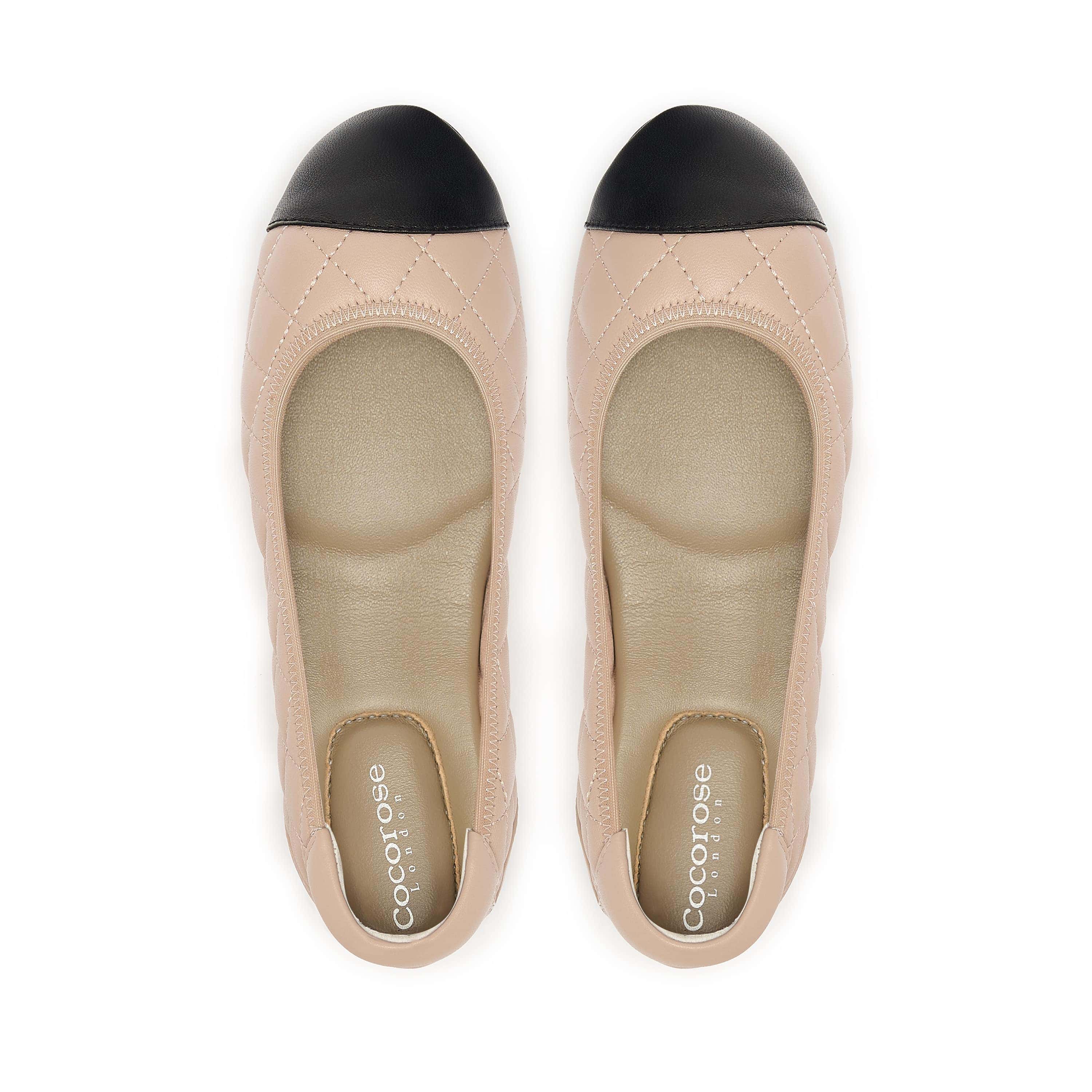
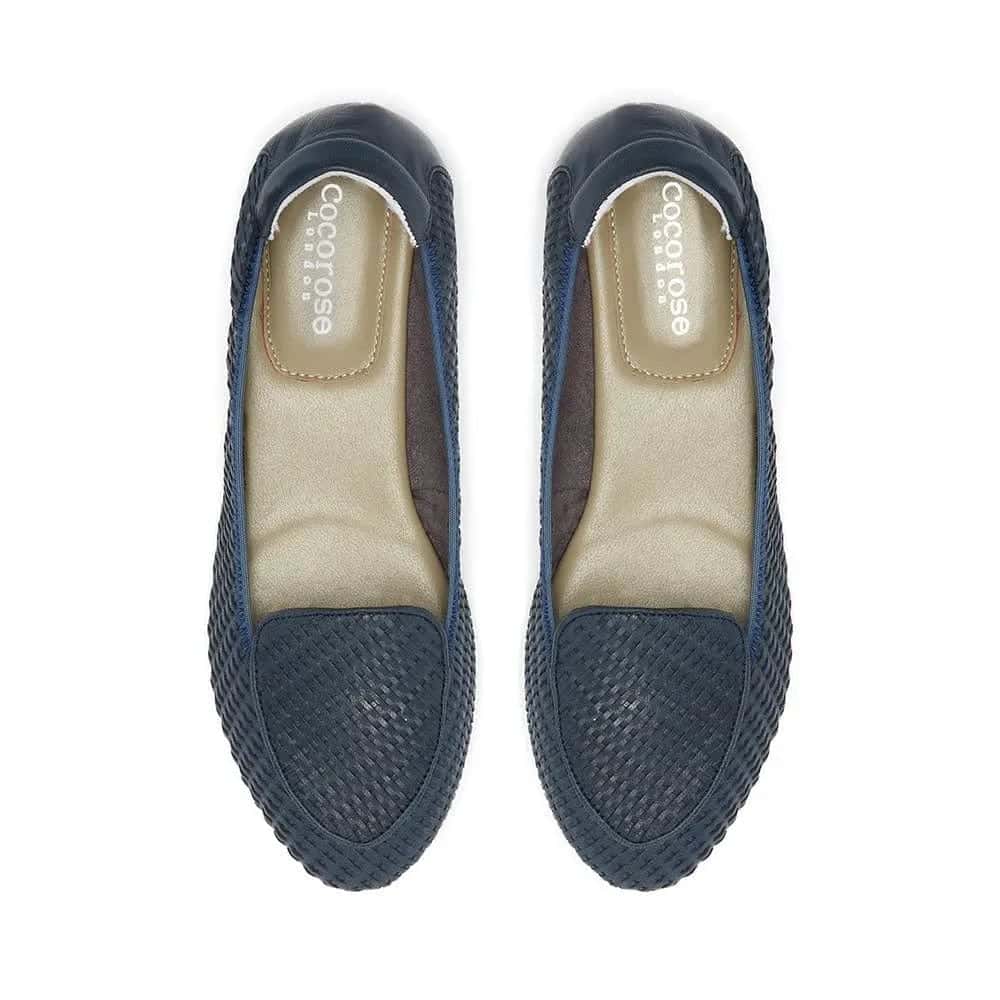
One of these is the topline, the opening around the foot. If the topline is too rigid, the shoe may struggle to move naturally with your foot, often causing it to flap slightly as you walk. If it's too loose, the shoe can feel insecure and unstable. A carefully balanced elasticated topline gently holds the foot in place, allowing the shoe to move with you rather than against you.
The heel is equally important. A ballet flat should gently cradle the heel without creating unnecessary pressure, while thoughtful details such as discreet padding around the Achilles can help reduce rubbing and create a more secure fit. We look at the issue of rubbing further and why some ballet flats rub, and how to stop rubbing at the heel.
These may seem like very small details, but they're exactly the kind of decisions that determine whether a pair of ballet flats becomes the shoes you instinctively reach for, or the pair that remains at the back of the wardrobe.
As designers, fit is one of the areas we spend the longest refining because we know that seemingly insignificant details can have a huge impact on someone's day.
If you're unsure about sizing, fit or which style might work best for you, our team is always happy to help. You can contact us for personalised advice before you order.
Are Leather Ballet Flats Better Than Synthetic Ballet Flats?
Both leather and synthetic ballet flats have their place, but they offer different wearing experiences.
Leather is a naturally soft, breathable material that should feel comfortable from the very first wear while continuing to adapt gently to the unique shape of your foot over time. Rather than needing to be "broken in", a well made leather ballet flat should feel comfortable from the outset and simply become even more personal to you with continued wear.
Synthetic materials can often be less expensive and may suit certain applications, but they don't usually offer the same breathability or ability to respond naturally to the foot.
Longevity is another important consideration. Depending on the material used, some synthetic alternatives, particularly PU based materials, may begin to crack or deteriorate over time. Leather, on the other hand, is often easier to care for and, in some cases, can even be professionally repaired, helping to extend the life of the shoe. For many women, that makes leather not only an investment in comfort, but also a more sustainable choice because a well cared for pair can remain part of their wardrobe for many years.
At Cocorose, we've chosen to work primarily with leather because it aligns with the experience we're trying to create. Leather is naturally soft, breathable and beautifully tactile. It feels luxurious from the very first wear, adapts gently to the foot over time and, when properly cared for, can remain part of your wardrobe for many years. That combination of comfort, craftsmanship and longevity sits at the heart of our Beautiful Comfort philosophy.
If you'd like to explore the different styles we create in leather, you can browse our collection of women's leather flat shoes.
Material alone, however, doesn't determine whether a ballet flat is comfortable. Construction, fit, cushioning and thoughtful design all play equally important roles. It's the combination of these elements, rather than any single material, that creates a ballet flat you'll genuinely enjoy wearing.
Can You Walk All Day in Ballet Flats?
The simple answer is yes.
The more useful answer is that it depends on the ballet flats.
Walking comfortably for several hours is influenced by a number of factors, including the construction of the shoe and how it supports your foot, distributes pressure and moves naturally with your stride.
If you are particularly interested in choosing ballet flats for long days on your feet, I have explored this question in more detail in Can You Walk All Day in Ballet Flats? What Makes a Ballet Flat Comfortable foe Walking.
Some ballet flats are intentionally designed with an extremely minimalist construction, while others place greater emphasis on cushioning and support. Neither approach is inherently right or wrong; they simply create different wearing experiences and are often designed with different priorities in mind.
If you're planning to spend long periods on your feet, thoughtful design becomes increasingly important. The flexibility of the sole, the quality of the materials, the level of cushioning and the overall fit all contribute to how the shoes feel after several hours of walking.
Comfort is also about confidence.
When you trust your shoes, you naturally stop thinking about them. You walk further, stand for longer and embrace opportunities that you might otherwise avoid because you're not distracted by sore feet or discomfort.
Ultimately, the goal isn't simply to make walking possible. It's to create shoes that allow you to forget about your feet altogether.
We explore this idea further in Why Comfortable Shoes Make You Walk Further and in our Founder Essay, The Shoes That Let You Forget About Your Feet.
What Is the Difference Between Foldable Ballet Flats and Traditional Ballet Flats?
Although they often share the same elegant silhouette, foldable ballet flats and traditional ballet flats are designed with slightly different priorities.
Traditional ballet flats are primarily created as everyday footwear.
Foldable ballet flats combine that everyday elegance with an additional layer of practicality, allowing the shoes to fold neatly into a compact travel purse so they're easy to carry throughout the day.
When Janan Leo founded Cocorose in 2007, she didn't set out to create the smallest shoe possible. She set out to make comfort portable.
The idea was beautifully simple: women shouldn't have to choose between style and comfort simply because their day didn't end where it began.
Over the years, customers began sharing a fascinating observation. Rather than keeping their foldable shoes in their handbag for specific moments, many found themselves wearing them throughout the entire day because they were so comfortable.
Those conversations inspired the development of an everyday leather ballet flat that happened to fold when needed, while continuing to champion the original foldable shoe that introduced an entirely new category of footwear.
If you'd like to explore that journey in more depth, our Founder Essay, The Everyday Shoe That Folds, shares the story behind that evolution. You can also explore our Ultimate Guide to Foldable Shoes for Women for a much deeper look at foldable footwear, including how it works, why it is useful and the different ways women use foldable shoes in everyday life.
Are Foldable Ballet Flats Comfortable?
Some people assume that because a shoe folds, it must involve compromising on comfort.
That doesn't have to be the case.
In fact, the opposite was the motivation behind creating the original foldable shoe. Rather than designing the smallest shoe possible, the goal was to create a beautifully comfortable ballet flat that also happened to fold when life called for it.
Achieving that balance requires thoughtful design. Premium materials, supportive cushioning, carefully considered construction and a well engineered folding mechanism all need to work together without affecting the overall wearing experience.
In other words, the ability to fold should enhance the shoe rather than define it.
It's one of the reasons we continue to think of our foldable shoes not simply as travel accessories, but as everyday footwear designed to support the way women live today.
How Do You Choose the Right Ballet Flats?
Choosing the right pair of ballet flats isn't simply about finding a style you like.
It's about finding a pair that works for the way you live.
Someone looking for ballet flats to wear during a city break will naturally have different priorities from someone searching for a pair to wear in the office every day or to a summer wedding.
That's why it's worth thinking beyond colour alone.
Ask yourself where you'll wear them most often.
- Will they become your everyday shoes?
- Will you be walking long distances?
- Will they travel with you?
- Will they need to work with both jeans and dresses?
The more versatile your answer, the more important comfort, craftsmanship and quality become.
Fashion trends may influence the colours and finishes you choose, but thoughtful design is what determines whether you'll still be happily wearing them years from now.
Ultimately, the best ballet flats aren't necessarily the ones that attract the most attention. They're the ones you instinctively reach for because you know they'll never let you down.
If you're ready to explore different styles, colours and finishes, you can browse our complete collection of ballet flats for women.
Which Colour Ballet Flats Should You Buy First?
If you're buying your very first pair of ballet flats, choosing the colour can feel surprisingly difficult.
The good news is there's no single right answer.
Instead, think about the wardrobe you already own.
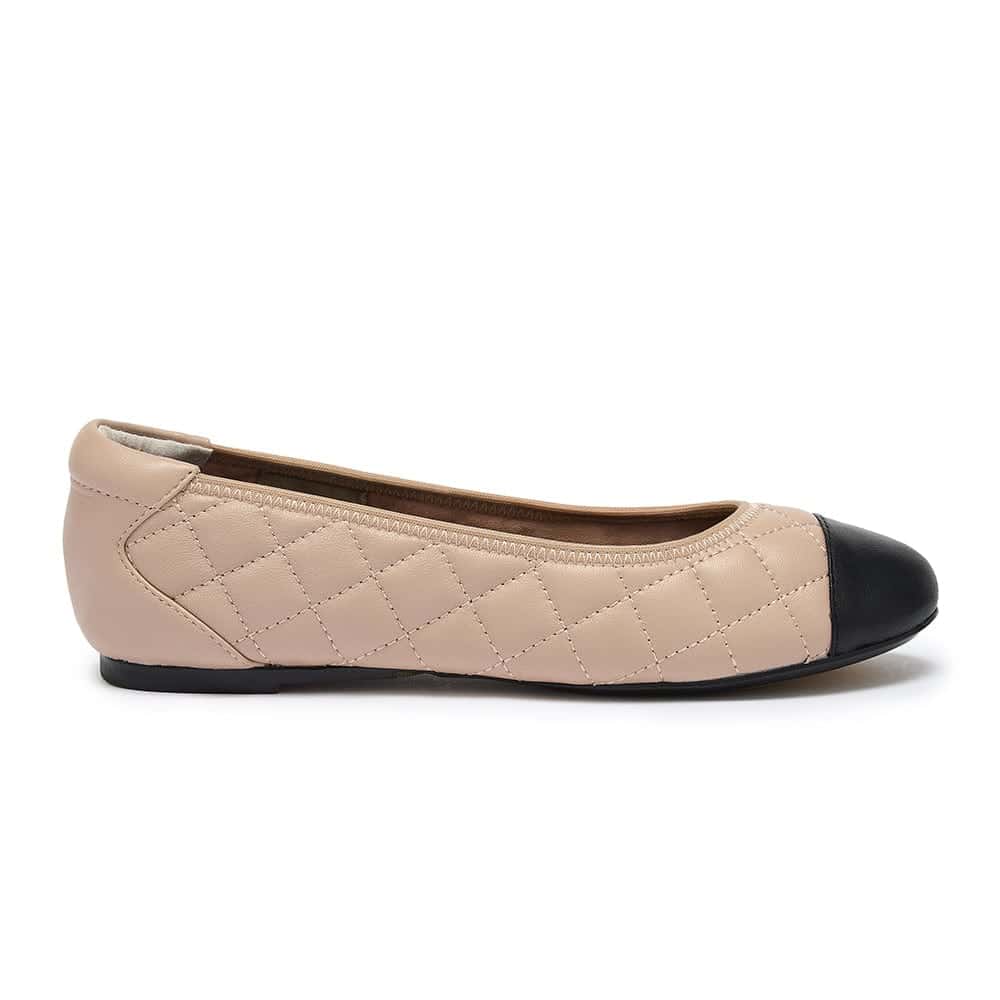
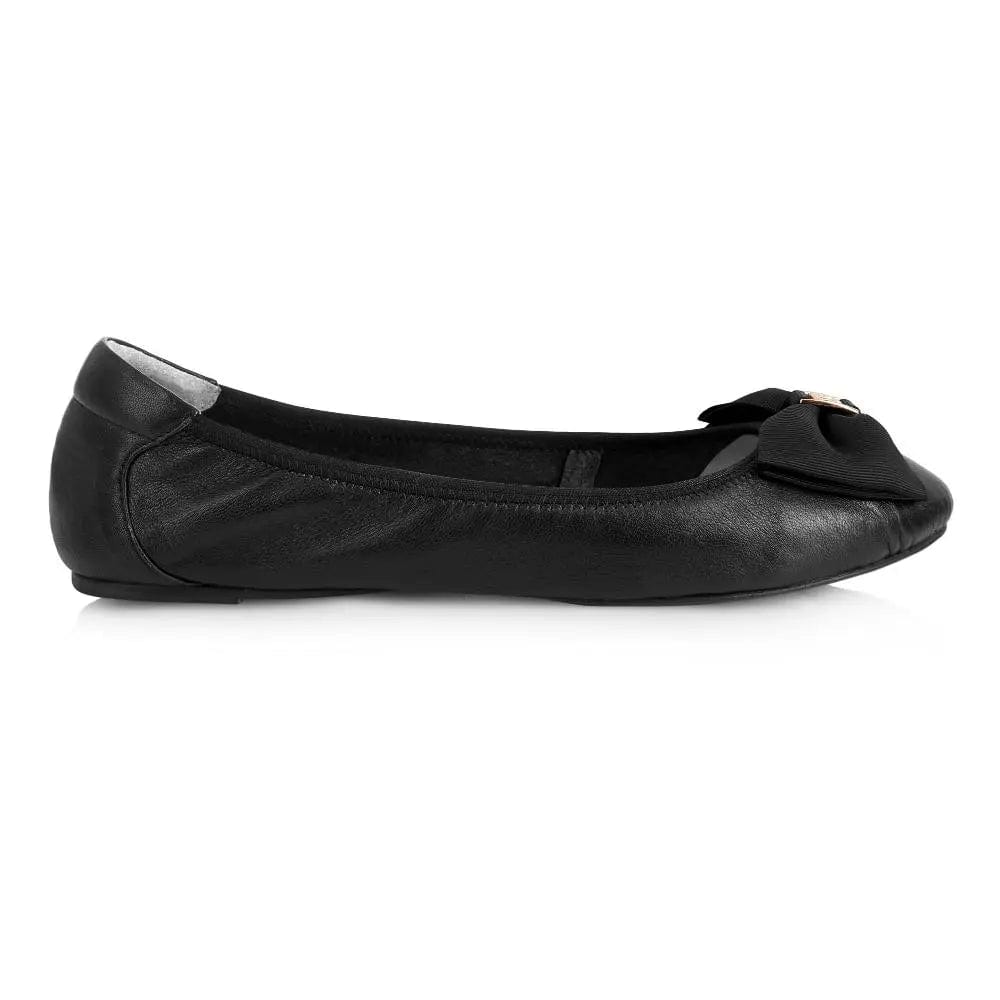
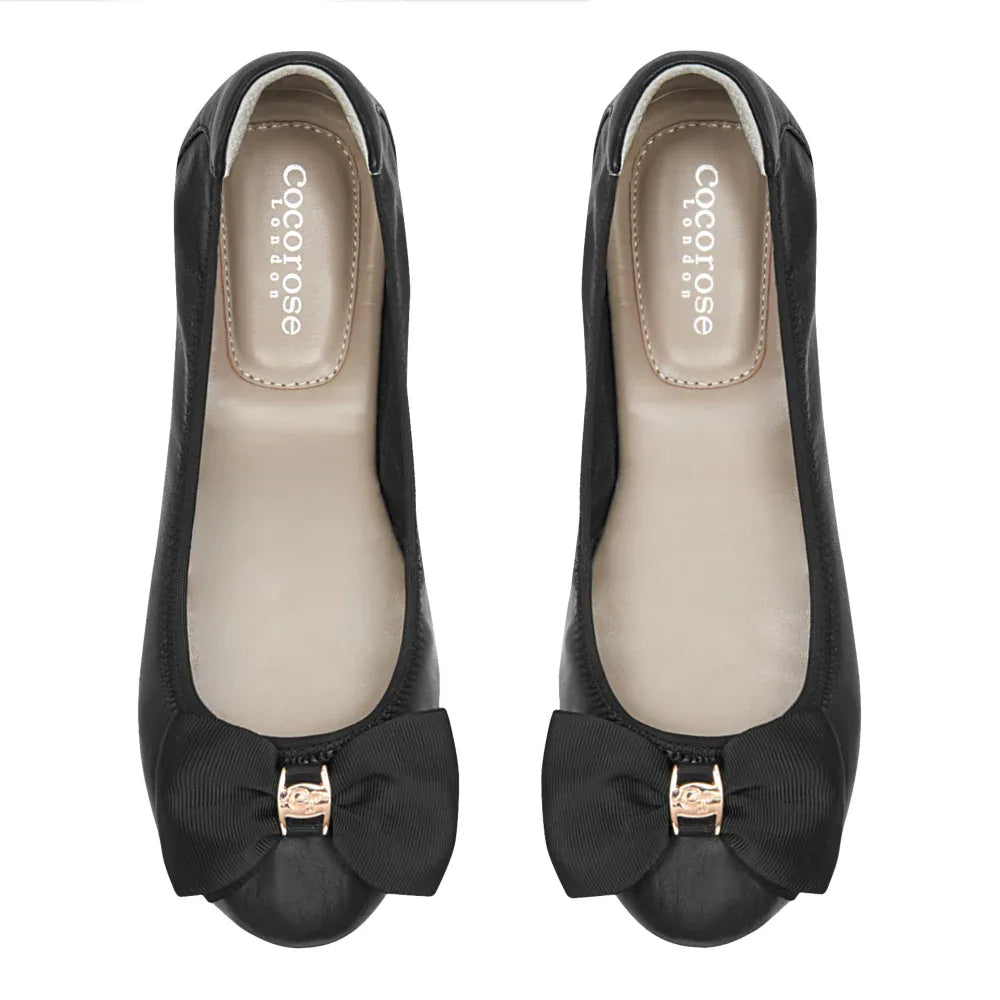
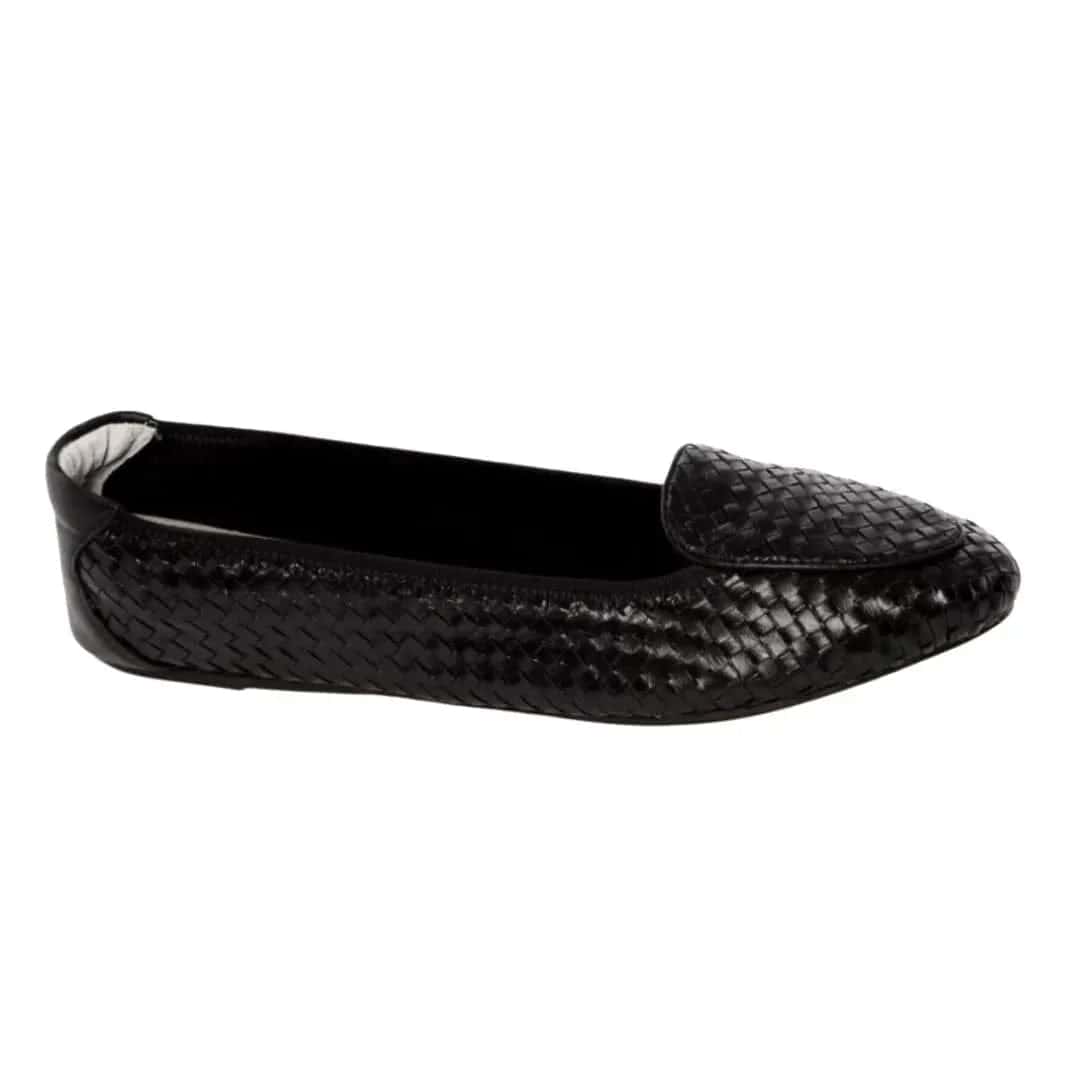
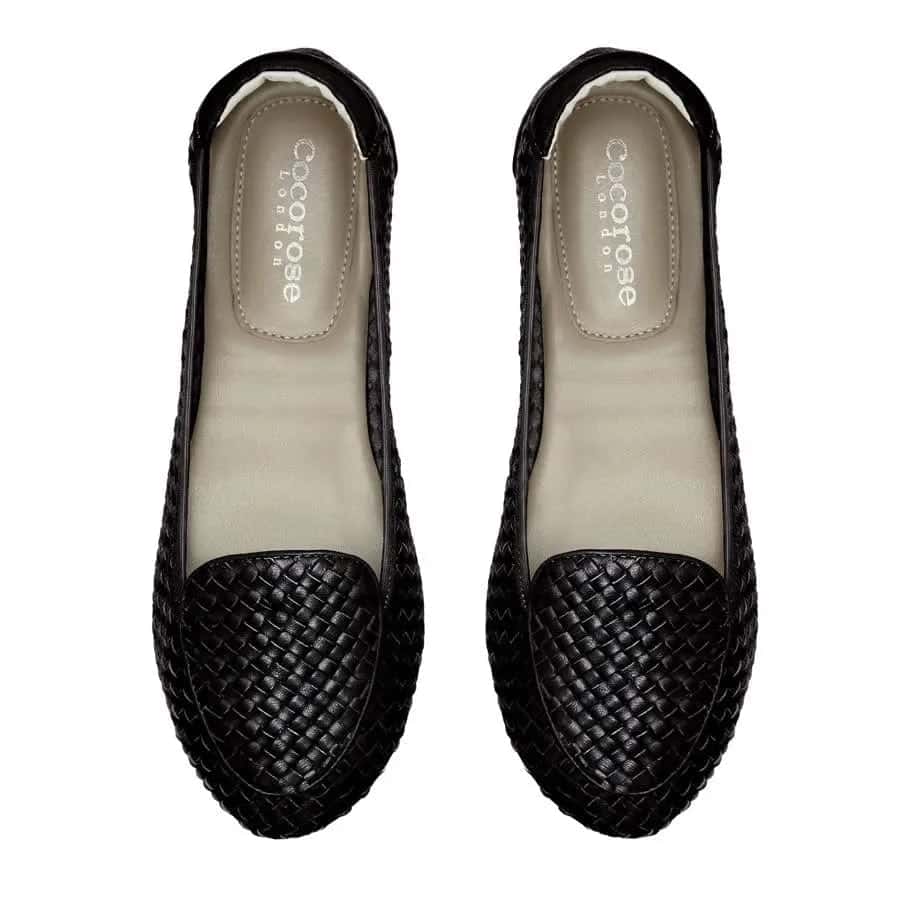
For many women, a classic black leather ballet flat remains the obvious starting point. Black works effortlessly with tailoring, denim, dresses and occasion wear, making it one of the most versatile shoes you can own.
If your wardrobe is built around lighter neutrals, soft beige or nude tones can create a beautifully understated look while helping to visually elongate the leg.
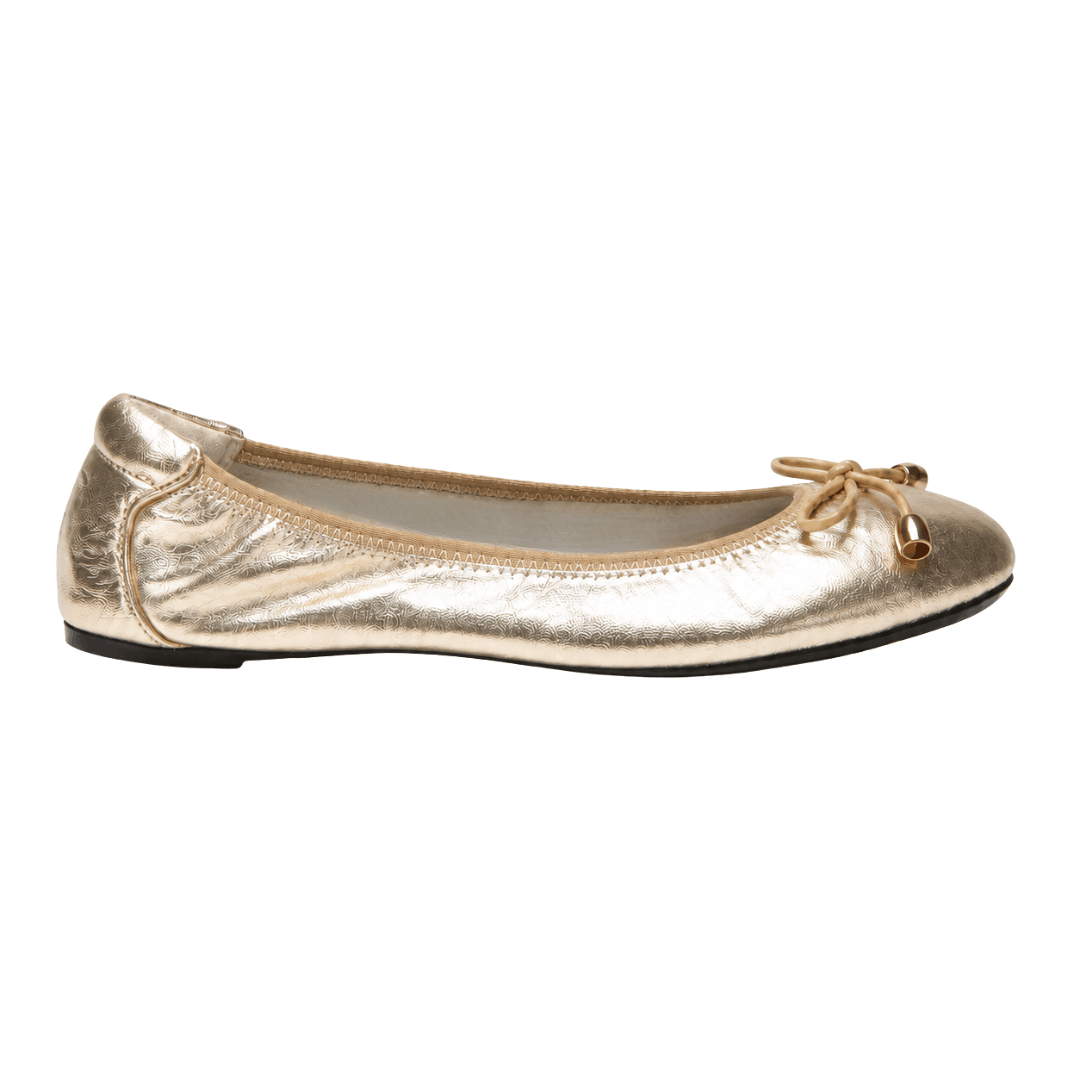
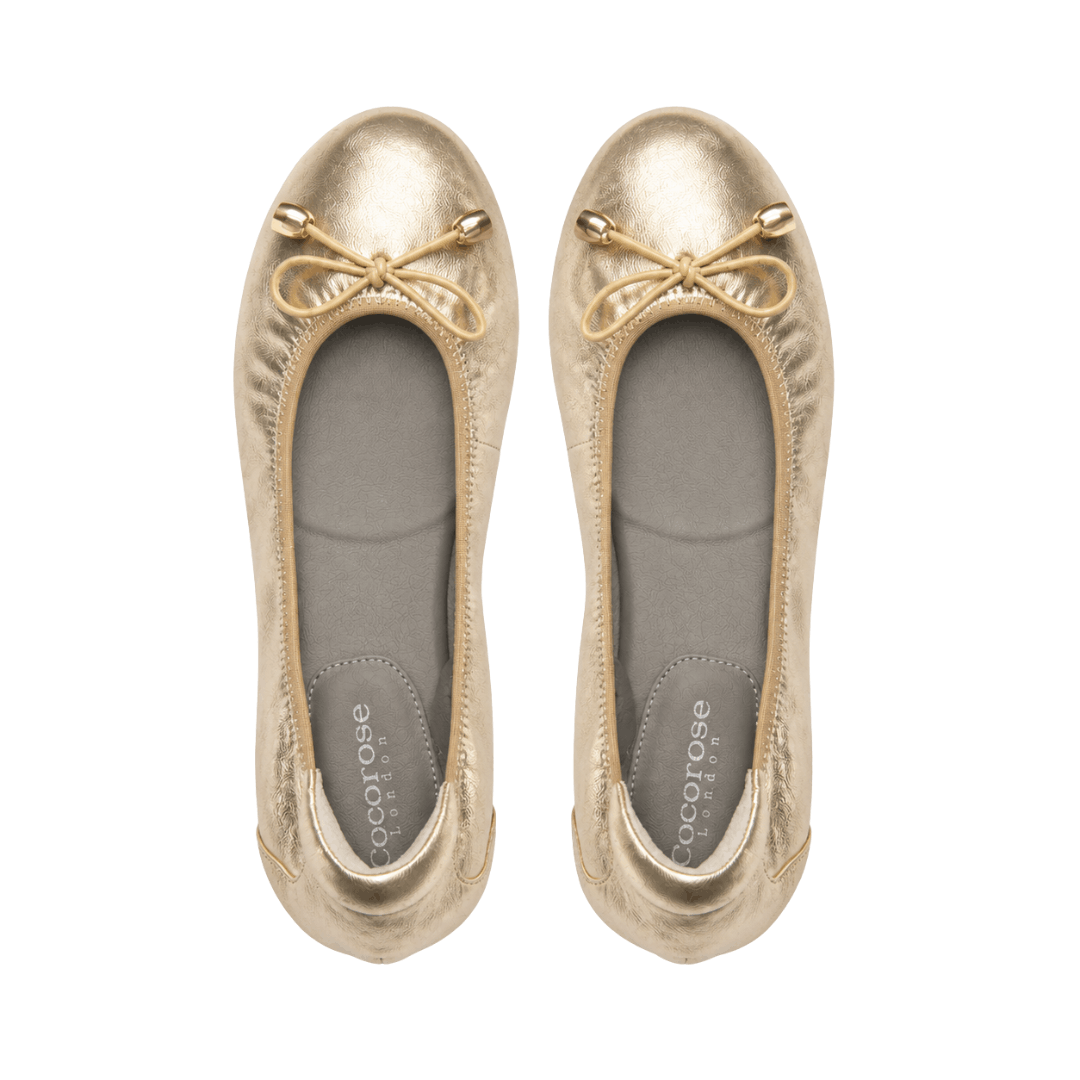
Metallic finishes such as gold or silver often surprise people with their versatility. Rather than dominating an outfit, they frequently act as modern neutrals, adding subtle interest while working with a remarkably wide range of colours.
As your wardrobe grows, many women naturally build a small collection, not because one pair stops working, but because different colours and finishes allow them to express different aspects of their personal style.
If you're considering a classic black pair, you may also enjoy reading our guide to choosing black leather ballet flats and browsing our collection of black leather ballet flats.
Are Expensive Ballet Flats Worth It?
This is one of those questions that doesn't have a universal answer.
What matters is value rather than price.
A well made pair of leather ballet flats often costs more initially because higher quality materials, better construction and greater attention to detail all contribute to the finished shoe.
However, those same qualities also influence how the shoes feel after hours of wear, how well they age and how long they remain part of your wardrobe.
Less expensive shoes can sometimes become a false economy if they quickly lose their shape, wear out prematurely or simply aren't comfortable enough to wear regularly.
When choosing ballet flats, it's worth looking beyond the price tag and asking a different question:
Will these become a pair I genuinely enjoy wearing?
If the answer is yes, they often represent better value than several cheaper pairs that never quite feel right.
How Should You Style Ballet Flats?
One of the reasons ballet flats have remained so popular is their remarkable versatility.
Few shoes move as effortlessly between different occasions.
Depending on the design, the very same pair can accompany you to work, on holiday, out for dinner or to a weekend brunch with friends.
Classic black leather styles work beautifully with tailoring and smart office wear.
Metallic finishes add subtle elegance to dresses and occasion outfits.
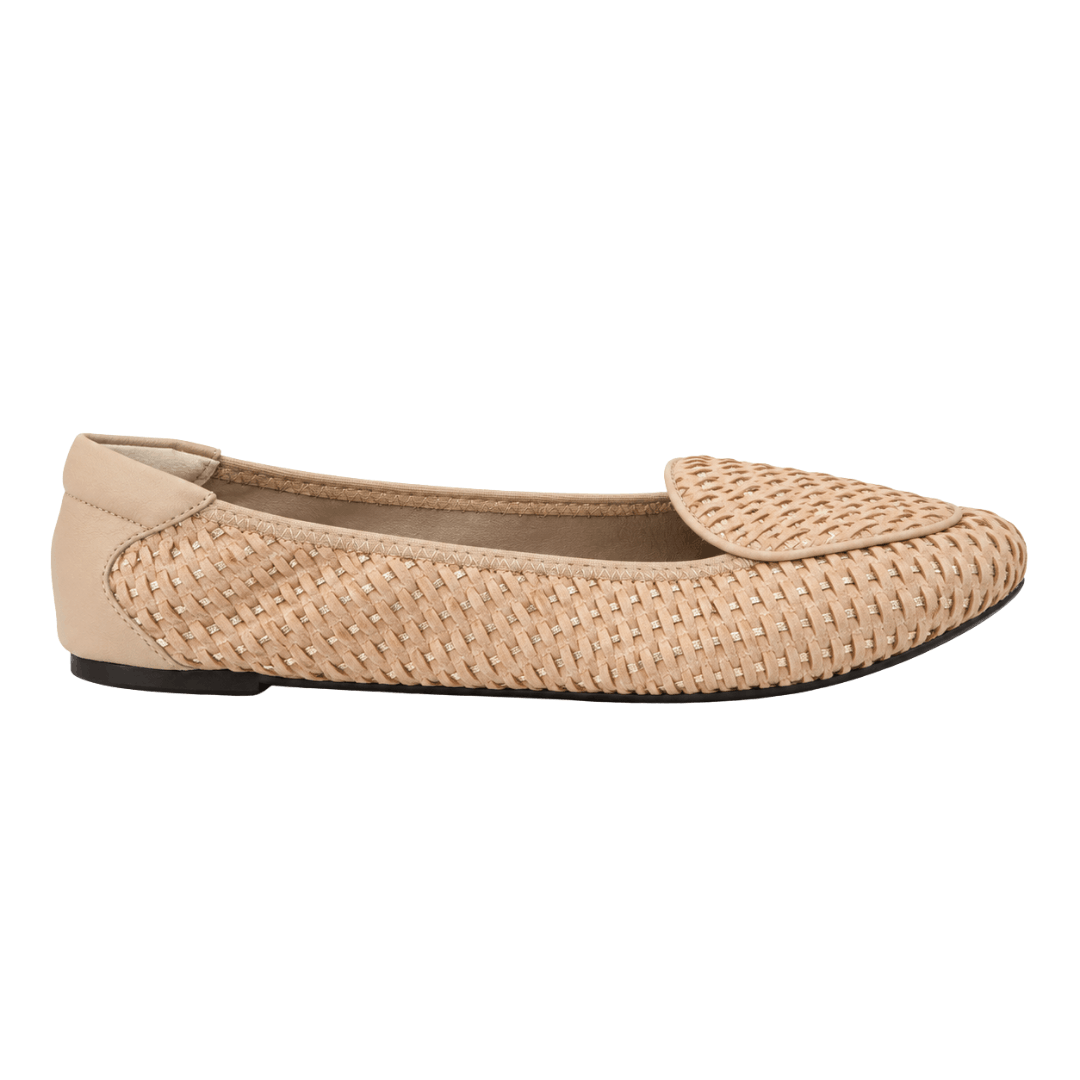
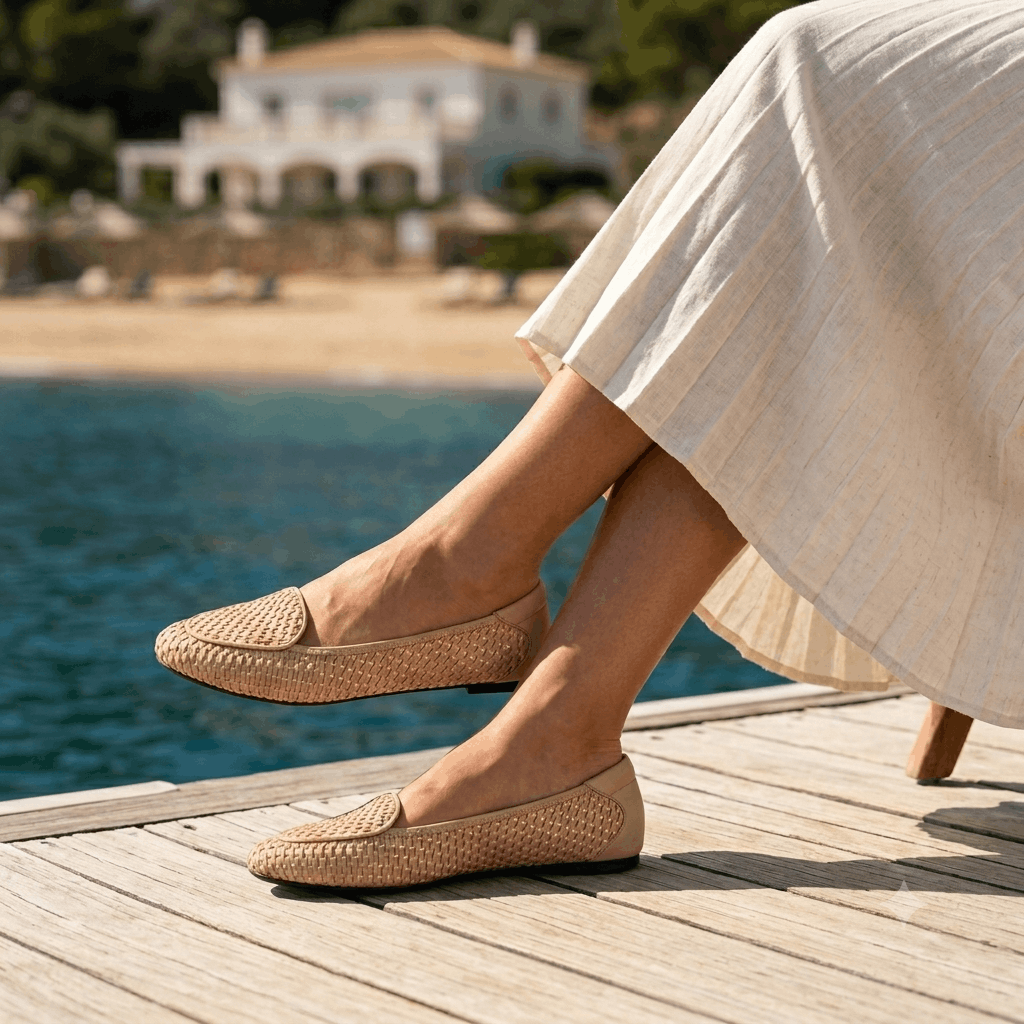
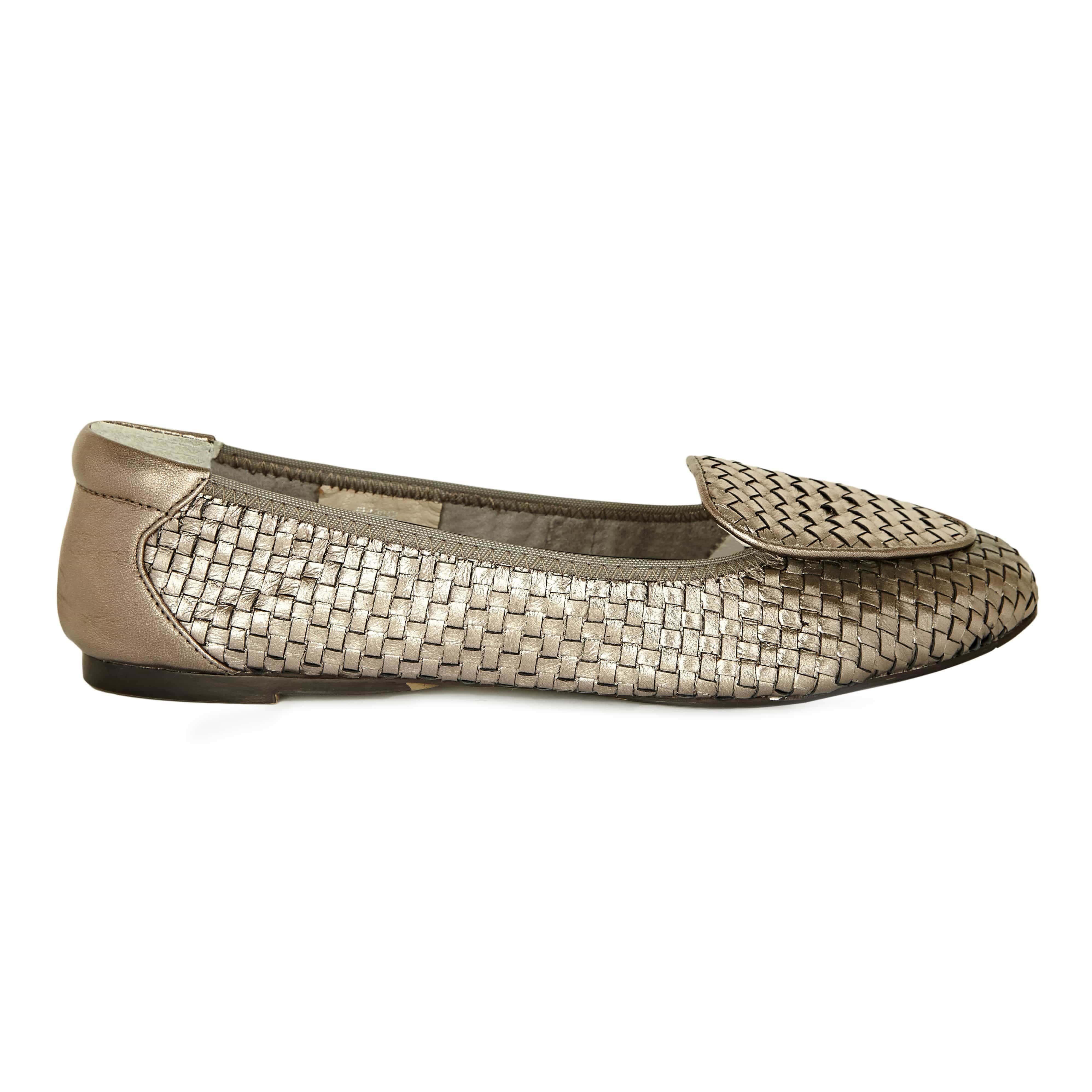
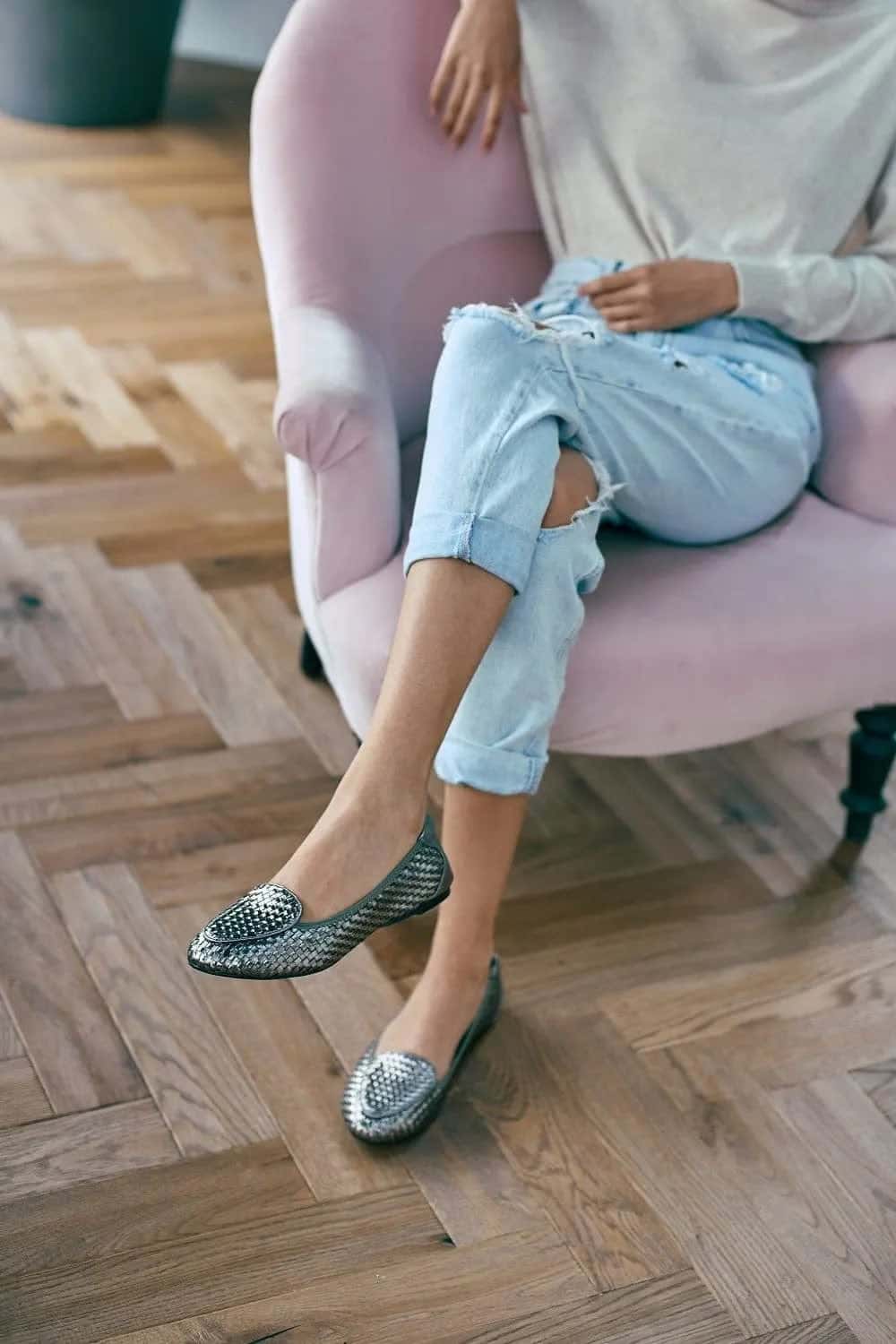
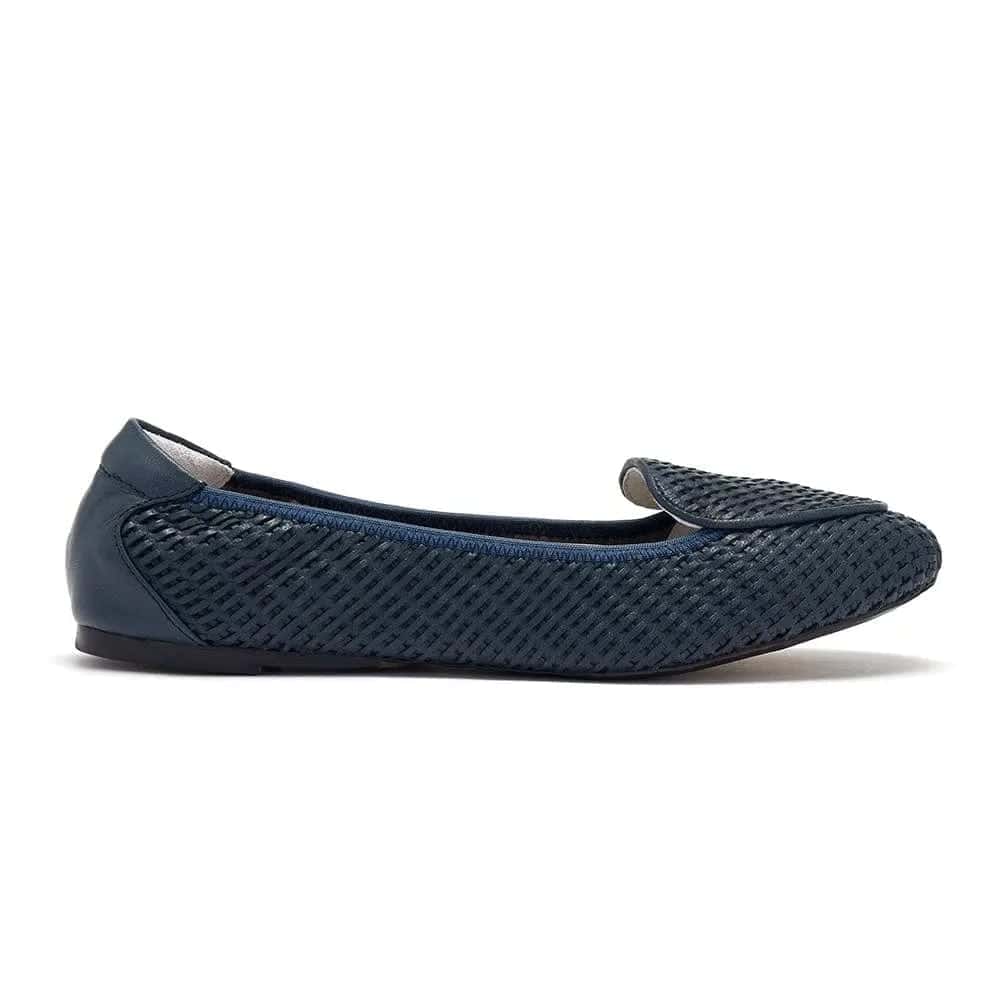
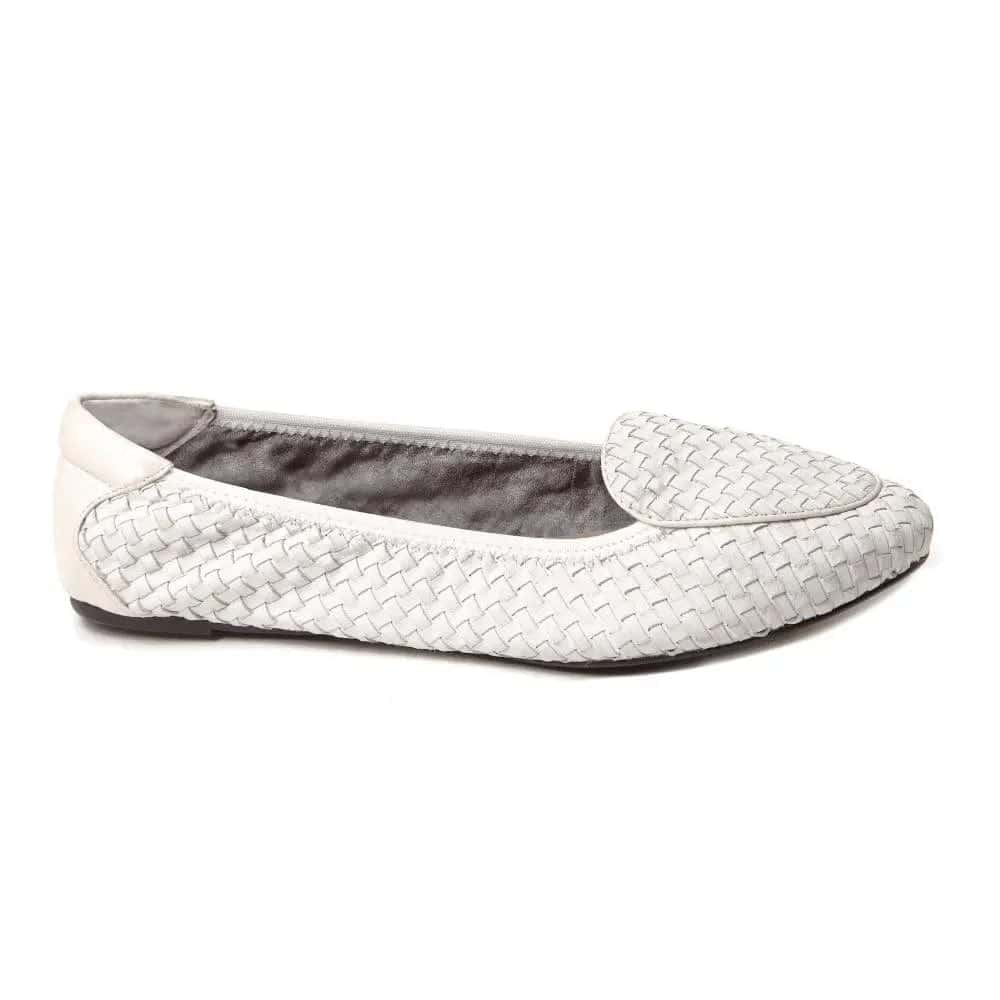
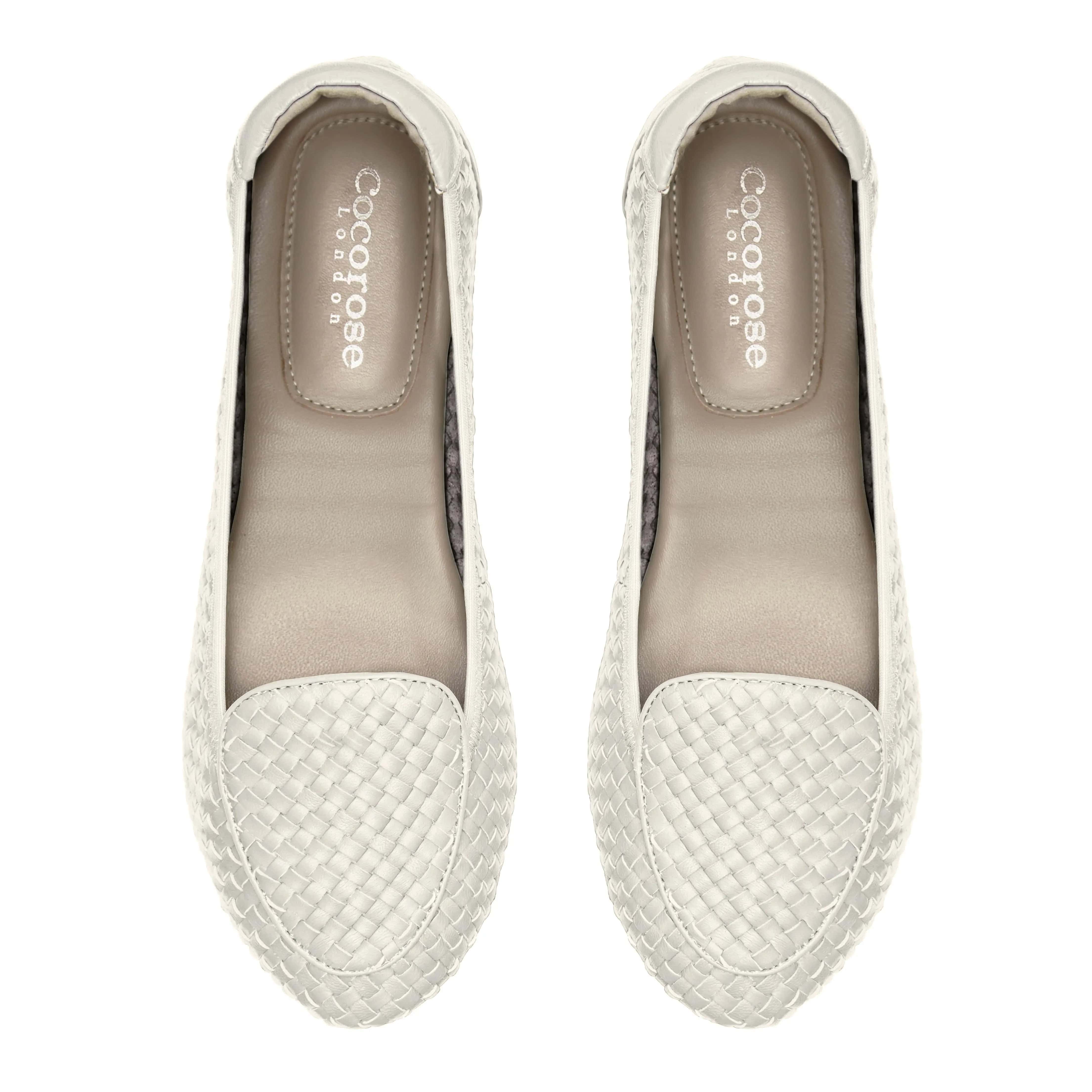
Woven leathers bring texture and warmth during spring and summer, while minimalist neutral designs complement relaxed denim just as comfortably as they do linen trousers.
Rather than thinking of ballet flats as purely casual shoes, it can be helpful to think of them as one of the most adaptable foundations of a modern wardrobe.
If you're looking for styling inspiration, you may also enjoy reading our guide to making ballet flats look dressed up.
How Should You Care for Leather Ballet Flats?
A well made pair of leather ballet flats can continue looking and feeling wonderful for many years when they're properly cared for.
Leather is a natural material that benefits from occasional cleaning and conditioning to help maintain its softness and appearance.
Before wearing a new pair, it's always a good idea to spray them with a rain and stain or all purpose protector spray. The spray will form an invisible barrier that repels water and dirt, ensuring your shoes are kept clean.
If your shoes become wet, allow them to dry naturally away from direct heat, as excessive heat can dry the leather and affect its suppleness.
When you're not wearing them, storing your ballet flats somewhere cool and dry will help preserve both their shape and finish.
If you're travelling, using a protective shoe bag or travel pouch helps prevent unnecessary scuffs while keeping the rest of your luggage clean.
Looking after your shoes isn't simply about preserving how they look. It's also about preserving the experience of wearing them.
Like any beautifully crafted leather product, a thoughtfully cared for pair of ballet flats can become even more enjoyable with time.
Frequently Asked Questions About Ballet Flats
Are ballet flats good for walking?
Yes, provided they're thoughtfully designed with supportive cushioning, appropriate flexibility and a comfortable fit. Considerately designed ballet flats can comfortably support everyday walking, commuting and travel. The construction and fit of the individual shoe are important factors to consider.
Do leather ballet flats stretch?
Leather naturally adapts to the unique shape of your feet over time, but a well fitting leather ballet flat should feel comfortable from the very first wear. Rather than relying on the leather to stretch, it's far better to choose a pair that fits correctly from the outset.
Can you wear ballet flats without socks?
Absolutely. Many women wear ballet flats barefoot, particularly during warmer months. If you prefer additional protection, invisible liner socks can be an alternative that won't affect the appearance of the shoe.
Are ballet flats suitable for work?
Very much so. Classic leather ballet flats are among the most versatile professional shoes available, pairing beautifully with tailoring, dresses and smart casual office wardrobes.
Are ballet flats good for travelling?
They're one of the easiest shoes to travel with. Their lightweight construction makes them ideal for holidays, city breaks and business trips, while foldable ballet flats add an extra level of convenience by taking up very little luggage space. For days when you expect to walk extensively, you may also want to consider women's fashion trainers, particularly if you want additional cushioning and support while keeping your outfit polished.
Are ballet flats still fashionable?
Yes. Although colours, finishes and toe shapes evolve over time, the ballet flat remains one of the most enduring and versatile styles in women's footwear. Fashion may periodically declare them "back", but women have continued wearing them throughout changing trends because they combine elegance, comfort and practicality so effectively.
Leather Ballet Flats