
Article: Why Comfortable Shoes Make You Walk Further
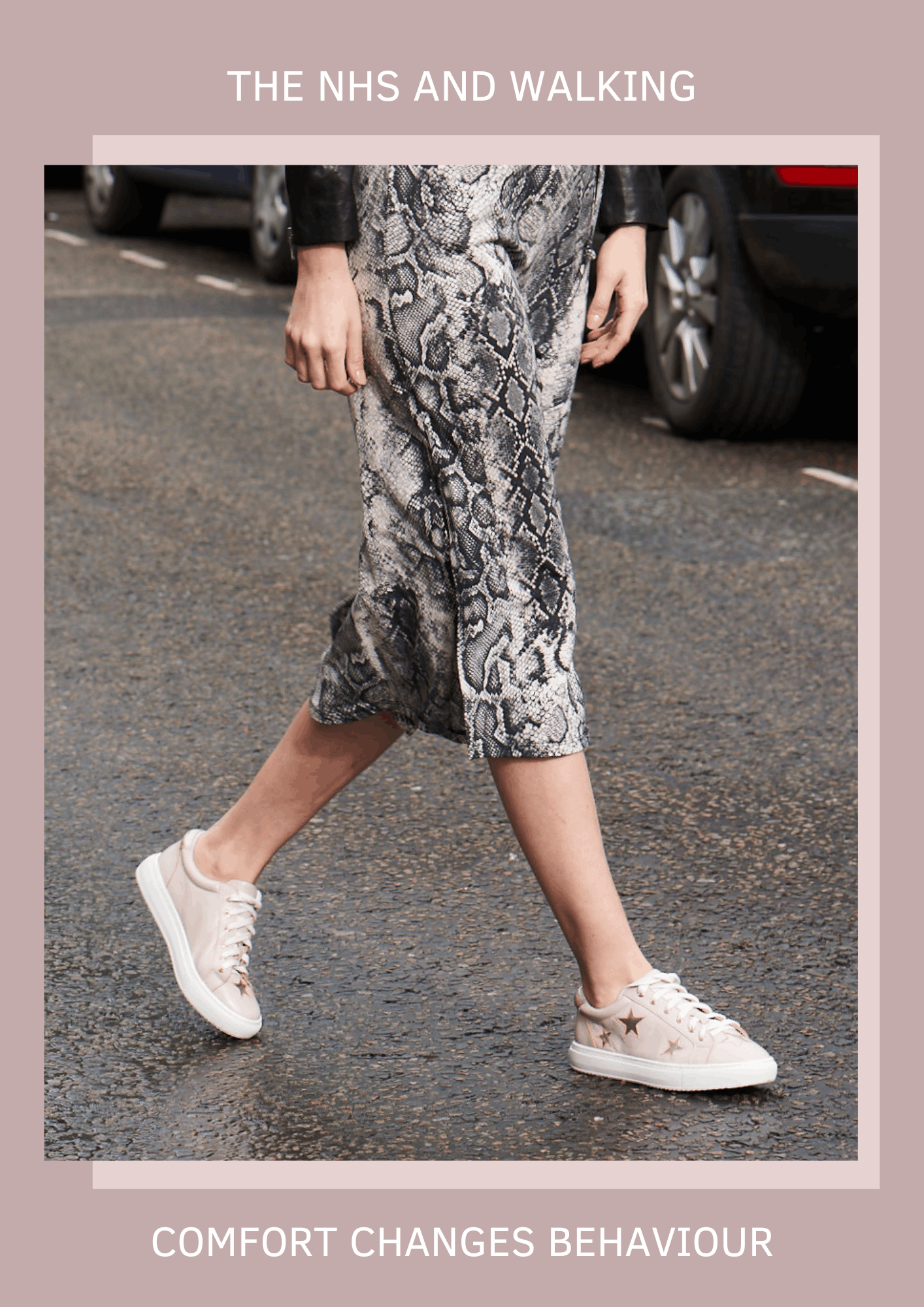
Why Comfortable Shoes Make You Walk Further
The NHS Is Encouraging Us to Walk More. I Think There Is One Important Part of the Conversation We Shouldn't Overlook.
Walking Is One of Life's Simplest Habits
The NHS is looking to reward people who walk 30 minutes a day. The 'marathon a month' challenge aims to help individuals hit roughly 26 miles if they consistently walk for half an hour every day over the course of a month.
It's been long known that walking benefits our heart, our joints, our mental wellbeing and our overall health. It is one of the simplest forms of exercise available to us, requiring little more than time, fresh air and the decision to step outside.
There is something rather reassuring about that.
In a world that often promises quick fixes and dramatic transformations, walking remains wonderfully uncomplicated. It doesn't require specialist equipment or expensive memberships, nor does it ask us to become athletes overnight. Instead, it reminds us that good health is often built through small, consistent decisions repeated over time.
Among the NHS guidance is one recommendation that particularly caught my attention.
It advises people to wear shoes or trainers that are comfortable, provide adequate support and do not cause blisters. For those walking to work, it even suggests travelling in comfortable shoes before changing into work shoes when they arrive.
Sensible advice and, ironically, also the very reason I founded Cocorose London so many years ago.
Back then, I wasn't thinking about behavioural science or public health. I was simply trying to solve a problem that millions of women experience every day: wanting to keep walking long after their shoes have decided otherwise. It would take many years, and thousands of conversations with customers, before I realised that the problem I had been trying to solve wasn't just about footwear. It was about the way comfort subtly influences the choices we make.
The Part of the Conversation We Often Forget
Yet despite this, I cannot help wondering whether comfortable footwear deserves to be an even bigger part of the conversation. If the goal is to encourage more people to walk, surely we also need to think more deeply about the experience of walking itself.
After all, walking is only enjoyable when we want to keep walking.
That thought has occupied much of my professional life, although I have never consciously articulated it quite like this before.
Over the past two decades of designing footwear and listening to women describe their lives in their shoes, I realised I had been hearing the same story over and over again.
Comfort changes behaviour.
It is such a simple observation that we rarely stop to question it. Yet the more I have reflected on it, the more profound I believe it to be.
We often like to think our decisions are entirely rational. That we choose whether to walk, drive, take the train or catch a taxi based purely on convenience, time or distance. In reality, our physical comfort quietly influences many of those decisions long before we consciously acknowledge it.
When shoes become uncomfortable, our attention begins to shift. We become increasingly aware of our feet and, almost without noticing, our decisions begin to change.
"Shall we sit down?"
"Perhaps we'll take the bus instead."
"Maybe we've walked far enough today."
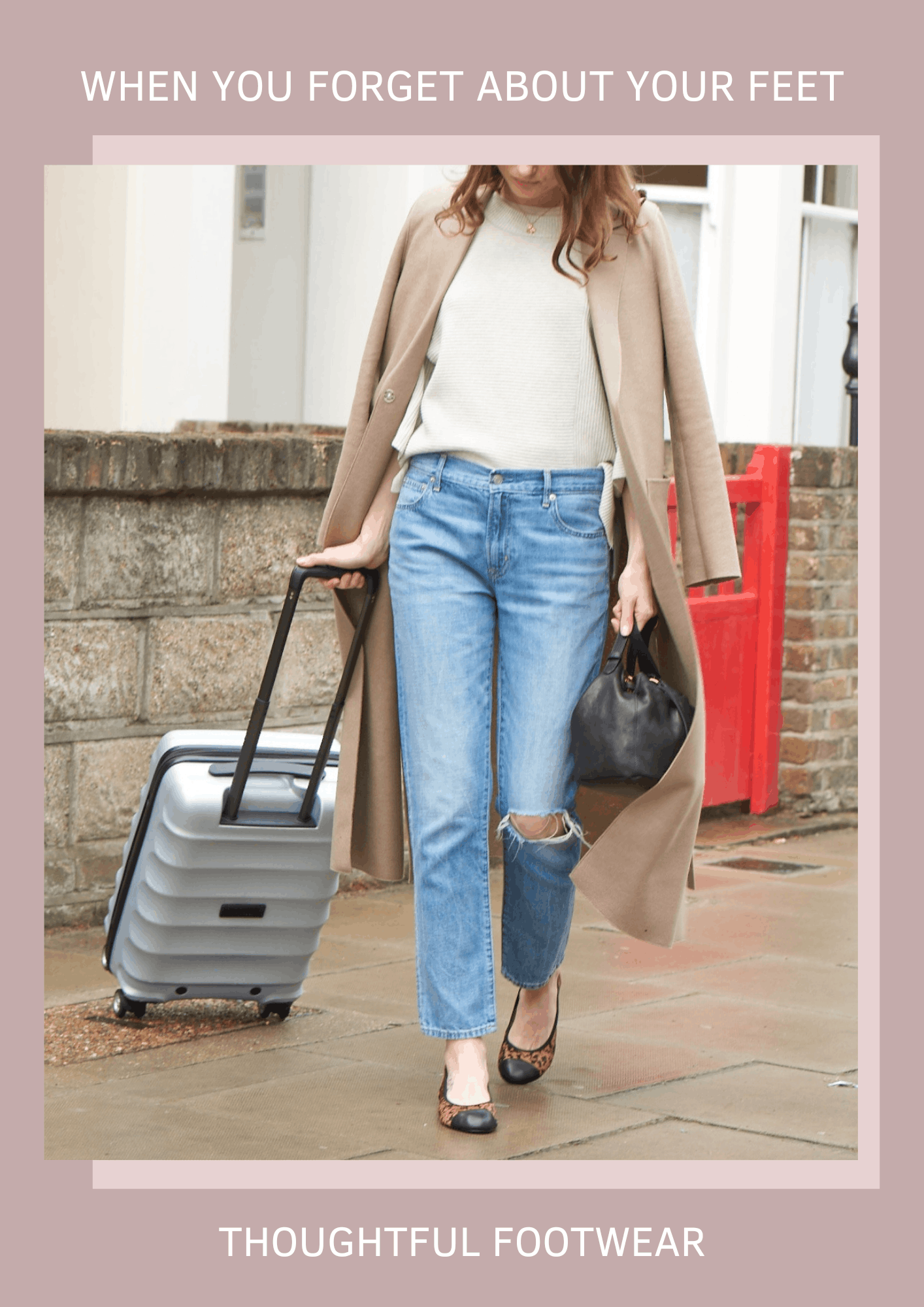
The opposite is equally true. When your shoes feel good, something rather interesting begins to happen. They gradually disappear from your thoughts. Not literally, of course, but mentally.
You stop thinking about your feet altogether and start paying attention to everything else instead: the conversation you're having, the place you're exploring, the architecture around the next corner or simply the pleasure of moving without discomfort.
To me, that has always been the highest compliment a shoe can receive.
It is also an idea that deserves a much deeper conversation, because I have come to believe that forgetting about your shoes is one of the truest measures of thoughtful footwear design.
Walking is not possible for everyone, and everyone's relationship with movement is different. But for those who are able to enjoy it, comfortable footwear has the potential to remove one small but important barrier to being active, whether that means walking to work, exploring a new city on holiday, dancing right until the end or simply choosing to stay on your feet a little longer because you still feel comfortable.
It is an idea that has shaped my thinking for many years, and long before today's headlines. The more I have reflected on the NHS's advice, the more convinced I have become that comfortable footwear deserves a bigger role in conversations about everyday health. Not because shoes alone can transform our wellbeing—they cannot—but because they influence something that often goes unnoticed: our willingness to keep moving.
Over the years, I must have received thousands of emails, letters and reviews from women describing memorable moments they have experienced while wearing their Cocorose shoes. What fascinates me is that they rarely begin by talking about leather quality, cushioning or construction methods. Instead, they almost always begin by talking about where the shoes took them.
What Women Actually Remember
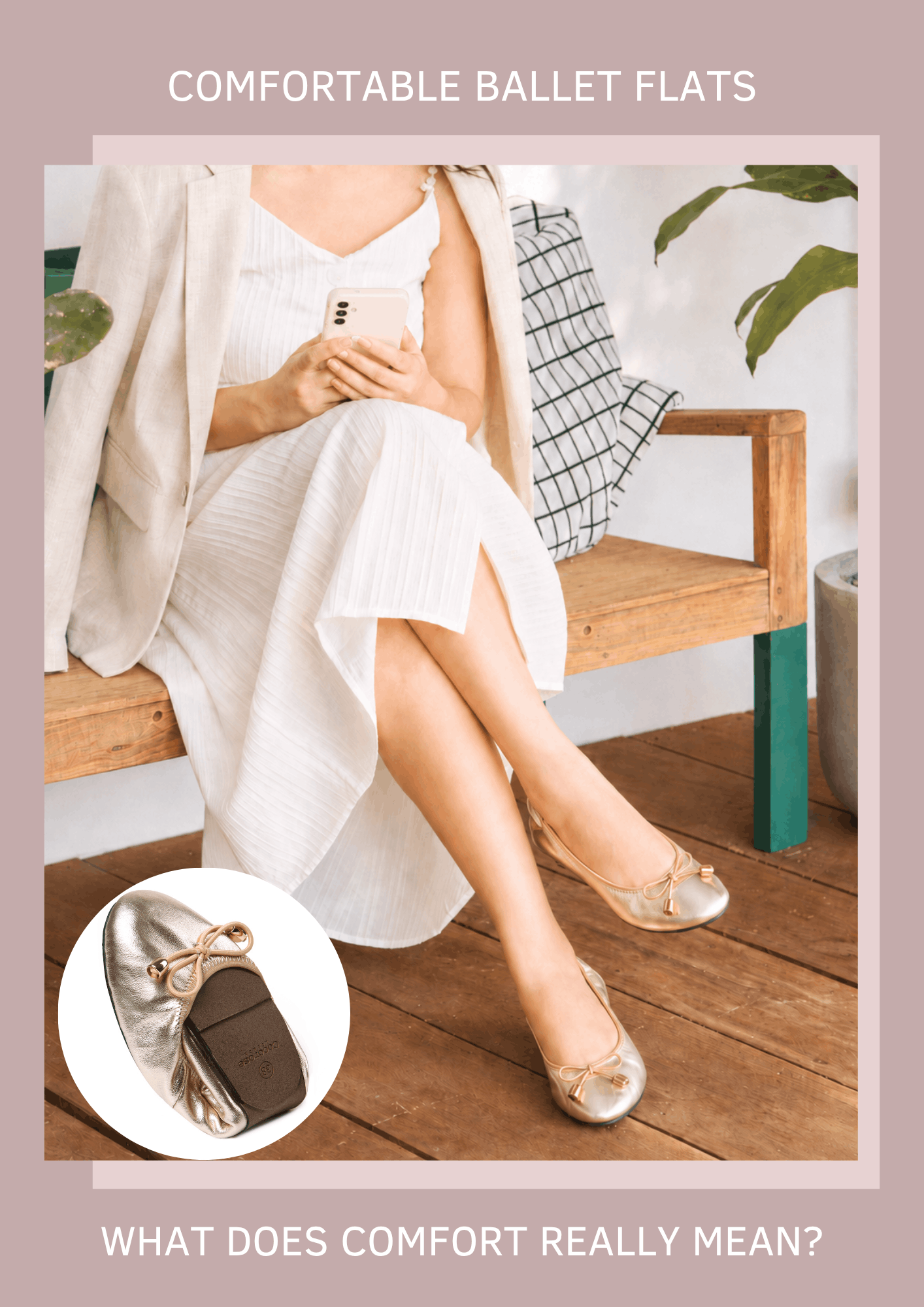
If I type "miles" into my email search bar, I can immediately see so many wonderful messages from women sharing their Cocorose stories and moments with me. One woman tells me she unexpectedly walked ten miles around Paris after lunch with her family, amazed that she reached the end of the day without pain or a single blister. Another describes wandering happily through the streets of Prague for hours in a brand new pair, something she admits she would never normally risk. Someone else packed her foldable ballet flats into her hand luggage "just in case", only to find herself unexpectedly walking seven miles in them while sightseeing. Others simply tell me that they walked for miles on holiday, spent all day on their feet at an event or wore their shoes straight out of the box without needing to think about them again.
Nearly twenty years later, I find those stories still fascinate me.
None of these women set out to think about their shoes at all. They set out to visit family, enjoy a holiday, attend an event, travel for work or simply get on with everyday life. Somewhere along the way, they realised their footwear had quietly helped make those experiences possible.
And perhaps that is exactly how it should be, because the best footwear should rarely be the thing we remember most. It simply gives us the confidence and comfort to remember everything else.
The MoonWalk That Stayed With Me
I'd like to share one particular conversation that has stayed with me for many years.
A customer telephoned our studio after completing the MoonWalk London charity challenge. She didn't have an enquiry; she simply wanted to tell us that she had worn her Hoxton trainers throughout the walk and share how they had carried her mile after mile, with no pain and no blisters.
She didn't telephone to discuss technical specifications, cushioning technologies or how the trainers had been constructed. She was excited because her Cocorose shoes had supported her through an extraordinary personal achievement.
That conversation has remained with me ever since because, without either of us realising it at the time, it perfectly illustrated the very idea I have been trying to articulate throughout this article:
Comfort changes behaviour.
Comfortable Footwear Is a Public Health Conversation
If comfort genuinely changes behaviour, then perhaps comfortable footwear is not simply a fashion conversation.
Perhaps it belongs within a much wider conversation about public health.
That may sound like an ambitious claim, yet the more I have reflected on the NHS's latest campaign, the more convinced I have become that we often underestimate the influence our shoes have on our everyday lives.
The NHS is encouraging us to walk more because the evidence is compelling. Walking is one of the simplest and most effective ways to support our physical and mental wellbeing. What interests me, however, is not simply the health benefits themselves, but the countless small decisions that determine whether we actually take those extra steps.
Behavioural scientists often talk about friction: the small obstacles that make a behaviour just difficult enough for us to avoid it. We usually think of friction in terms of complicated forms, long queues or inconvenient technology, but physical discomfort is a form of friction too. The moment walking becomes unpleasant, our brains begin looking for an easier alternative such as the bus, taxi or the lift.
Interestingly, the NHS's new initiative recognises this principle too, albeit from a different perspective. By rewarding people for walking regularly, it aims to reduce another form of friction by giving us an additional incentive to repeat a healthy behaviour. It is a simple but thoughtful reminder that the easier, more enjoyable and more rewarding an activity becomes, the more likely we are to do it again.
Comfortable footwear plays a similar role. It doesn't create the motivation to walk, but it can remove one of the subtle barriers that might otherwise discourage us from taking those extra steps.
What fascinates me is that these decisions rarely feel like decisions at all. We don't consciously weigh up whether our shoes have influenced us. We simply respond to how we feel. We choose the easier option, continue with our day and rarely give the decision a second thought. Yet, repeated often enough, those seemingly insignificant choices gradually become habits, and habits have an extraordinary way of shaping our lives.
Behavioural science reminds us that habits are built through repetition rather than intention alone. We do not become healthier because of one ambitious decision made on New Year's Day. We become healthier because small decisions become easier to repeat.
Perhaps that is where thoughtfully designed footwear has a role to play. Not by changing our lives in one dramatic moment, but by making the healthier choice feel just a little easier today than it did yesterday. Over weeks, months and years, those seemingly insignificant decisions begin to accumulate. One walk becomes another. A short stroll becomes part of a routine. Eventually, without really noticing, movement simply becomes part of everyday life.
Looking back, I sometimes think the most successful shoes are the ones we barely remember wearing at all. Not because they lacked character, but because they allowed us to become completely absorbed in everything else. The conversation. The journey. The celebration. The ordinary Tuesday afternoons. They became part of the day rather than the focus of it.
If the NHS succeeds in encouraging more people to walk, it will undoubtedly improve countless lives.
My hope is simply that we also begin to recognise the modest, but important, role that comfortable footwear plays in helping us take those first steps and then the next ones after that.
After nearly twenty years of listening to women talk about their shoes, I have come to believe one thing above all else.
Comfort changes behaviour.
And behaviour, repeated often enough, changes lives.
If you'd like to explore the design principles behind comfortable footwear in greater depth, particularly for walking, commuting and long days on your feet, you may also enjoy our Ultimate Guide to Women's Leather Trainers, where we explore the craftsmanship, fit and thoughtful design decisions that make genuinely comfortable trainers such an essential part of modern life.

Please leave a comment if you wish
This site is protected by hCaptcha and the hCaptcha Privacy Policy and Terms of Service apply.