
Article: The Shoes That Let You Forget About Your Feet
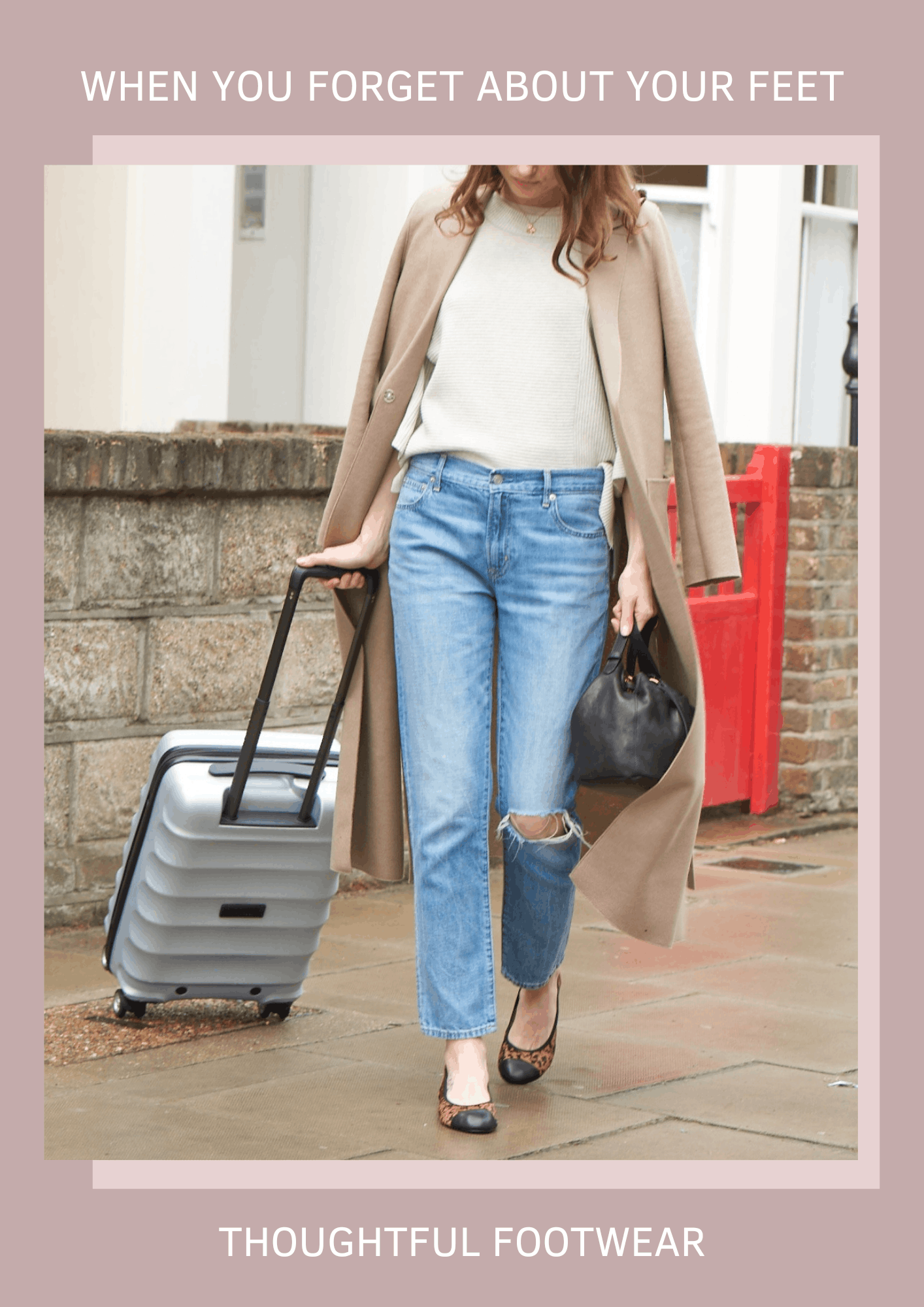
The Shoes That Let You Forget About Your Feet
Why the Greatest Compliment a Shoe Can Receive Is That You Stop Thinking About It
Over the years, I have been fortunate to receive thousands of emails, letters and reviews from women sharing their experiences of wearing Cocorose shoes.
Many tell me how much they love the colour of a particular leather, the softness of the cushioning or the comfort they felt from the very first wear. Others write to say that they have finally found a pair of shoes that doesn't rub, doesn't cause blisters or simply allows them to stay on their feet all day.
Every one of those messages means a great deal to me.
Yet every so often, someone says something that makes me stop and think.
"I forgot I was wearing them."
It almost sounds like an unusual compliment to pay someone who has spent nearly twenty years designing footwear. Surely beautiful shoes are supposed to be noticed.
The more I have reflected on those words, however, the more I have come to believe they may be the greatest compliment any shoe can ever receive.
Because when someone forgets about their shoes, they are no longer thinking about their feet.
And when they are no longer thinking about their feet, they become free to think about everything else.
That, to me, is the ambition behind thoughtful footwear design.
This way of thinking didn't appear overnight. It has gradually evolved through years of designing footwear and countless conversations with women about what comfort really means. I explored that journey in my founder essay, Comfortable Ballet Flats: What Designing the World's First Foldable Shoe Taught Me About Comfort, but over time I have realised there is another, perhaps even more meaningful, way to think about comfort.
When Shoes Demand Your Attention
Most of us have experienced the opposite.
A new pair of shoes that begins rubbing before we've reached the end of the street. A blister slowly forming on the heel. The burning sensation beneath the balls of our feet after hours of standing. That familiar awareness that every step is becoming just a little less enjoyable than the one before.
Something subtle happens in those moments.
Our attention begins to narrow.
Instead of becoming absorbed in the conversation over dinner, we find ourselves wondering how much further we still have to walk. Instead of admiring the streets of an unfamiliar city, we begin scanning for the nearest place to sit down. We become distracted, not because we choose to, but because discomfort has demanded our attention.
It is easy to think of comfort as purely a physical sensation.
I don't believe that is entirely true.
Comfort also shapes where our attention goes.
And attention, perhaps more than anything else, shapes how we experience the world around us.
Psychologists often describe attention as one of our most limited resources. At any given moment, our brains are constantly deciding what deserves our focus and what can safely fade into the background. The more something demands our attention, the less capacity we have to enjoy everything else.
Discomfort is remarkably good at demanding attention.
Comfort, on the other hand, does something much more generous.
It gives that attention back.
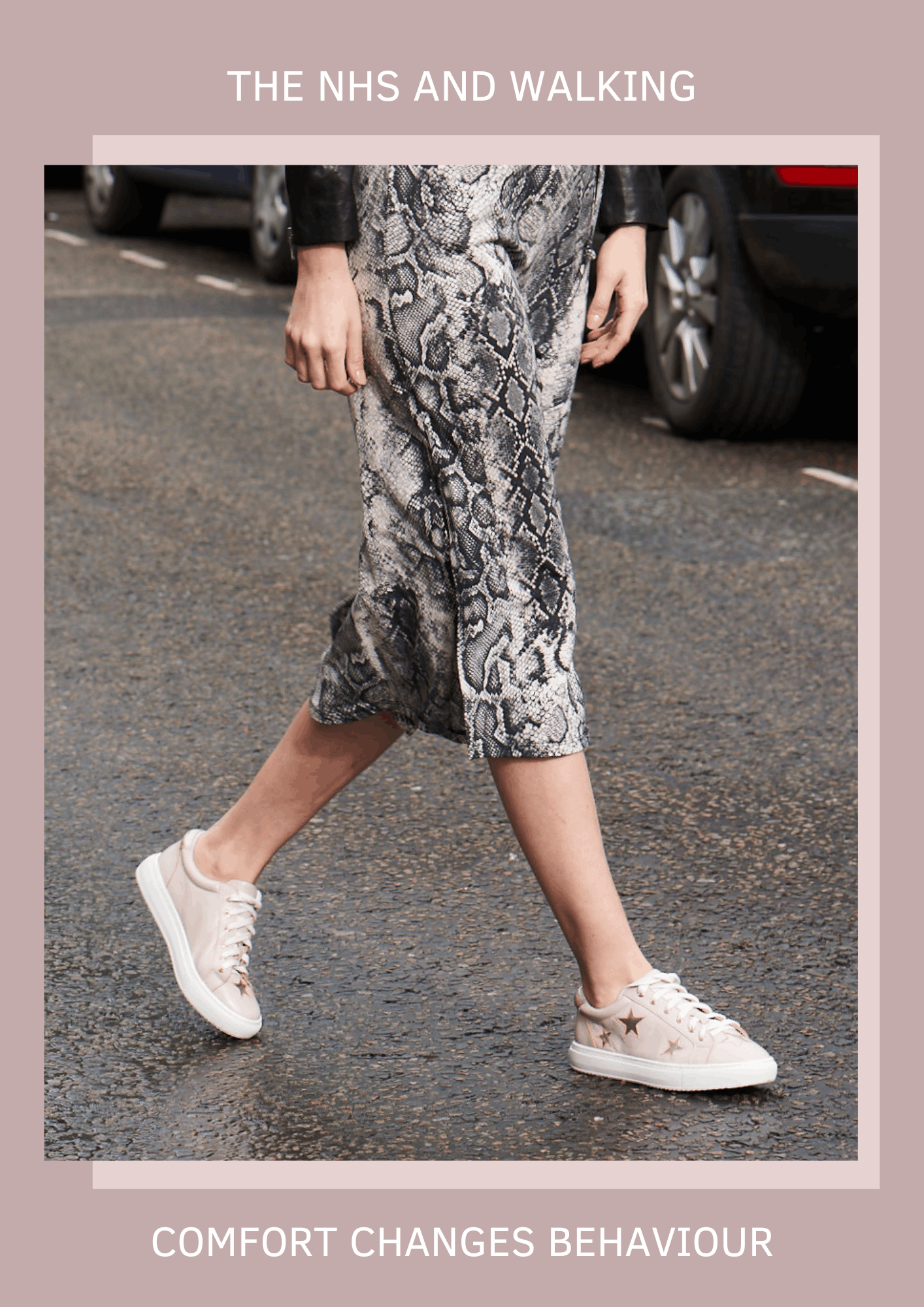
The more I reflected on this idea, the more I realised it extends far beyond how our feet feel. It influences the decisions we make every day, from whether we keep walking to how willing we are to explore just a little further. I explored that idea more deeply in my essay, Why Comfortable Shoes Make You Walk Further, where I introduced a simple observation that has shaped much of my thinking: comfort changes behaviour.
The Quiet Freedom of Forgetting
Looking back through thousands of customer emails over the years, I have noticed something that continues to fascinate me.
Many women do tell me about the remarkable softness of the leather or the deep cushioning beneath their feet. Those details matter because they are often unlike anything they have experienced before.
But what they remember most isn't the construction of the shoe.
It's what the comfort allowed them to do.
One woman tells me she wore a brand new pair all day without a single blister, despite normally expecting sore feet whenever she buys new shoes. Another writes that she has particularly sensitive feet yet wears her Cocorose shoes with complete confidence because they never rub. Someone else simply says, "They're the only shoes that don't give me blisters."
Read enough of these messages and you begin to realise they are telling the same story.
Not just a story about comfort.
A story about freedom.
Freedom from wondering whether your shoes will let you down halfway through the day; from packing plasters "just in case"; and from constantly calculating how much further you still have to walk before you can finally take your shoes off.
When those thoughts disappear, something rather wonderful happens.
Your attention returns to where it belongs.
Not to your feet, but to your life.
Perhaps that is why another customer recently told us she had worn her shoes every day throughout her holiday. Another described spending an entire evening on her feet before walking more than a mile home without a single sore spot.
They weren't really celebrating the shoes.
They were celebrating everything the shoes had enabled them to experience without interruption.
That distinction, I think, is one of the most important lessons I have learnt as a footwear designer.
The best shoes are not necessarily the ones that catch our attention from across a shop floor or on a beautifully designed website.
They are the ones that, once we begin wearing them, gradually disappear from our thoughts altogether.
Designing for Invisible Success
The more I think about it, the more I believe this idea extends far beyond footwear.
The best design often goes unnoticed.
We rarely stop to admire a perfectly positioned light switch, a beautifully balanced staircase or a door handle that fits naturally into the palm of our hand. We simply use them. They become part of the experience rather than interrupting it.
Good design has a remarkable ability to remove itself from our attention.
It allows us to focus on what we were trying to do in the first place.
I have come to believe that comfortable footwear should work in exactly the same way.
When I begin designing a new collection, I am certainly thinking about colours, materials and silhouettes. But I am also thinking about something much less tangible.
How will this shoe allow someone to experience her day?
Will she still be enjoying the conversation three hours later?
Will she still feel like exploring one more street while travelling?
Will she finish the day remembering the people she spent it with rather than the shoes she happened to be wearing?
Looking back, I realise those have always been the questions that mattered most.
The leather, the cushioning, the flexibility and every tiny design decision exist for one reason only: to allow the person wearing them to stop thinking about their shoes altogether.
Not because those details are unimportant, but because they have done their job so well that the person wearing them no longer needs to think about them.
That, to me, is what thoughtful design looks like.
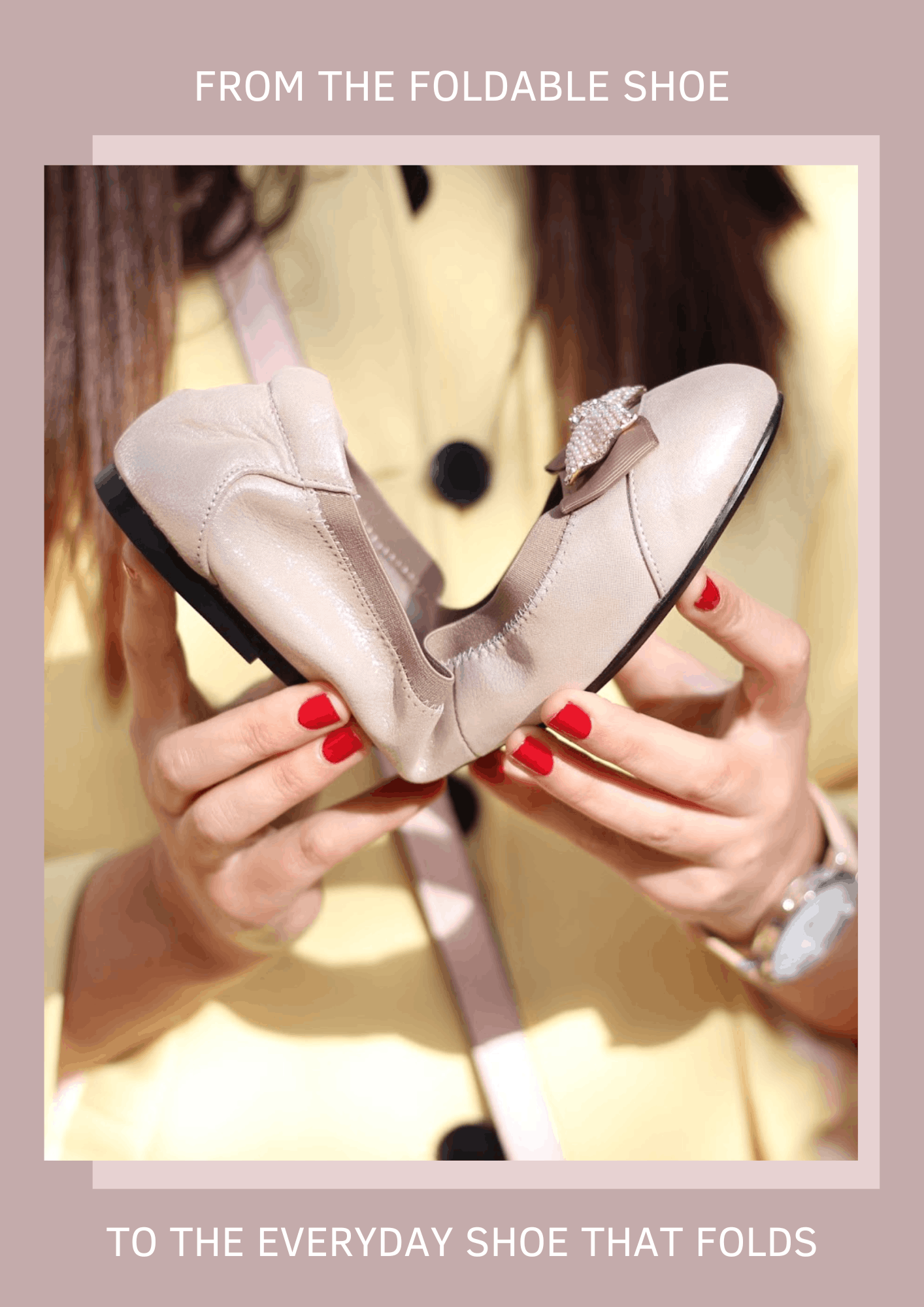
Many of those original design principles have shaped Cocorose from the very beginning and continue to influence the way I think about portable footwear today. If you're interested in how that philosophy has evolved, you'll find the full story in our Ultimate Guide to Foldable Shoes.
The Musician Who Forgot About Her Shoes
A customer once wrote to tell me that her Cocorose foldable ballet flats had become her concert shoes.
She is a professional musician and spends much of her life travelling to performances with her instrument. Space is always at a premium, so she loves that her shoes fold neatly into her luggage without taking up valuable room.
That alone would have been a lovely story.
But she went on to explain that she has worn the same pair for concert after concert over the previous five years because they are so comfortable.
As I read her message, I found myself imagining those moments just before she walks onto the stage.
I doubt she is thinking about her shoes.
She is thinking about the music she is about to perform.
Her concentration belongs to the audience waiting in front of her, to years of practice and to the emotion she hopes to communicate through her performance.
Exactly where it should be.
Her shoes have stepped aside.
The same is true for the customer who unexpectedly walks ten miles around Paris before suddenly realising her feet don't hurt.
Or the woman who spends an entire evening on her feet before walking home without a blister.
Or the traveller who packs a pair of foldable ballet flats "just in case" and unexpectedly spends the afternoon exploring a new city on foot.
None of them remembers the technical construction of the shoe.
They remember what they went there for in the first place.
The shoes simply allowed those moments to unfold without interruption.
Perhaps that is why I have gradually stopped thinking of comfort as purely something we feel beneath our feet.
I have come to think of it as something that gives us our attention back.
Looking back over nearly twenty years, I don't think I have ever been trying to design shoes that women notice all day.
I have been trying to design shoes that allow them to forget about their feet altogether.
Because in that moment, our attention returns to where it belongs.
The conversation.
The journey.
The performance.
The people we love.
The moments that become our memories.
Perhaps that is the greatest compliment any shoe can ever receive.
Whether I'm designing a pair of foldable ballet flats or comfortable leather trainers, the ambition remains exactly the same: to create footwear that supports the life being lived around it rather than demanding attention for itself. It's a philosophy I've explored further in our Ultimate Guide to Women's Leather Trainers, because the principles of thoughtful design extend far beyond a single style of shoe.
Perhaps that is the greatest compliment any shoe can ever receive.

Please leave a comment if you wish
This site is protected by hCaptcha and the hCaptcha Privacy Policy and Terms of Service apply.