
Article: How to Care for Your Leather Ballet Flats (and Make Them Last)
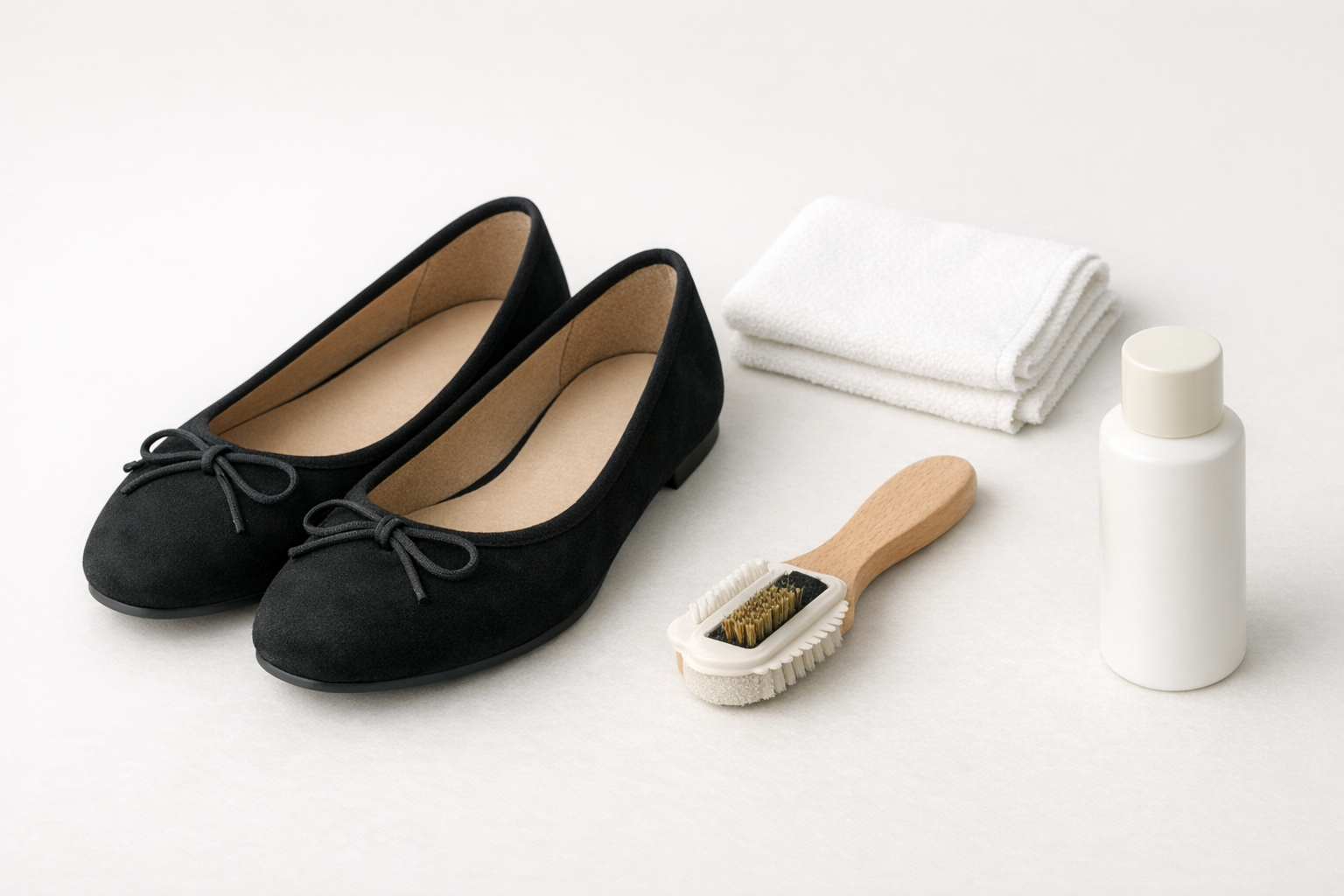
How to Care for Your Leather Ballet Flats (and Make Them Last)
Leather ballet flats are one of the most versatile and dependable shoes that a girl can own. They can be elegant yet practical, they can work themselves effortlessly into everyday life, from commuting and travel to weekends and evenings out. If you don't own a pair, please leave a comment below, I would love to learn more.
But like anything crafted from natural leather, they need and deserve a little attention.
Leather is a very particular material. It softens, adapts and moulds to the unique shape of your feet over time. With the right care, your leather ballet flats won’t just continue to look amazing, they will remain comfortable and supportive to wear. Note of course that leather its self varies. Its thickness, its type, its finish, how it was tanned. Some leather on shoe uppers, like Cocorose London, can be very soft - like a sheep leather - others will be far more structured and stiff by design. They can be cared for in the same way, but will feel different from day one.
The good news is that caring for leather ballet flats is not complicated, it just requires a little discipline, well actually more of a routine. In fact, the best approach is surprisingly simple: clean them gently, condition them occasionally, protect them from the elements and store them properly.
In this guide, we’ll walk through everything you need to know about caring for your leather ballet flats so they remain a reliable and stylish part of your wardrobe.
Why Caring for Leather Ballet Flats Matters
A well-made pair of leather ballet flats is designed to work with your feet, not against them.
Soft leather uppers mould naturally to the shape of your foot, helping reduce friction and improving overall comfort throughout the day. Breathable leather also allows air circulation, which helps keep feet feeling fresher and supports better foot hygiene.
But leather can only do these things if it’s properly maintained.
When leather becomes dry, dirty or neglected it can stiffen, crease excessively or lose its softness. That’s when shoes begin to feel uncomfortable and wear out faster.
By caring for your ballet flats properly, you help maintain:
- The softness and flexibility of the leather
- The structure and shape of the shoe
- The comfort and health of your feet
Think of leather care as part of the shoe’s natural lifecycle rather than a chore.
The Simple Rule of Leather Care
If you remember nothing else from this guide, remember this:
Clean → Condition → Protect → Rest → Store
These five simple habits are the foundation of caring for leather footwear.
You don’t need specialist equipment or complicated routines. Just a little consistency.
Daily Care: Small Habits That Make a Big Difference
Leather ballet flats often become everyday favourites, and for good reason. They are comfortable, stylish and easy to wear.
But regular wear also means they collect dust, dirt and moisture.
A few small daily habits can dramatically extend their lifespan.
Wipe Away Dirt
At the end of the day, quickly wipe the leather with a soft dry cloth to remove dust and dirt. Dirt particles can gradually work into the leather if left sitting on the surface.
Let Them Rest
Avoid wearing the same pair every day if possible. Leather benefits from time to breathe and recover from the natural moisture produced by your feet.
Allowing shoes to rest between wears helps prevent odours and preserves the leather’s structure.
Keep Them Dry
If your ballet flats get caught in the rain, let them dry naturally at room temperature. Avoid placing them near radiators or heat sources, which can dry out the leather and cause cracking.
How to Clean Leather Ballet Flats
From pavement dust to accidental scuffs, your shoes are bound to encounter a few marks along the way.
Fortunately, leather is surprisingly forgiving when cleaned properly.
Step 1: Remove Loose Dirt
Use a soft brush or dry cloth to gently remove dust and debris.
Step 2: Spot Clean
For light marks, use a slightly damp cloth with a tiny amount of mild soap. Gently wipe the affected area — avoid soaking the leather.
Step 3: Dry Naturally
Allow the shoes to air dry naturally before wearing them again.
The key rule is simple: gentle cleaning is always better than aggressive scrubbing.
Conditioning Leather to Keep It Soft
Leather needs occasional nourishment to stay supple.
Over time, natural oils within the leather gradually diminish, especially with regular wear. Conditioning replaces those oils and helps prevent the leather from drying out or cracking.
Applying a leather conditioner every few weeks can:
- restore softness
- revive colour
- improve durability
Apply a small amount using a soft cloth and gently massage it into the leather in circular motions.
Think of conditioner as moisturiser — but for your shoes.
Protecting Leather from Rain and Stains
Leather is durable, but it’s not waterproof by default.
Applying a protective spray or cream designed for leather can help shield your shoes from:
- rain
- dirt
- everyday stains
This invisible barrier allows water to bead off rather than soaking into the leather.
It’s especially useful if your ballet flats are part of your daily commute.
A Real Example: Extending the Life of a Well-Loved Pair
One of our customers once shared a story that perfectly captures how small care habits make a difference.
Her Cocorose ballet flats had become her everyday commuting shoes. After months of walking through London streets, the leather began to look a little tired and creased.
Instead of replacing them, she gave them some simple attention — a gentle clean, a little conditioner and a day or two of rest between wears.
Within days the leather softened again and the colour revived. The shoes went straight back into regular rotation.
Leather responds beautifully to care. Often, a little attention is all it takes.
The Most Common Mistakes People Make
Even well-intentioned care can sometimes go wrong.
Here are some of the most common mistakes people make when caring for leather ballet flats.
Wearing Them Every Day
Leather needs time to recover from moisture and pressure.
Using Harsh Cleaning Products
Alcohol-based cleaners or strong detergents can strip leather of its natural oils.
Over-wetting Shoes
Soaking leather weakens its fibres and can damage the shoe structure.
Drying Shoes with Heat
Radiators and heaters can cause leather to stiffen and crack.
Forgetting to Condition Leather
Without occasional conditioning, leather can dry out and lose its softness.
Avoiding these simple mistakes goes a long way toward preserving your shoes.
Our Approach to Caring for Leather Ballet Flats
Much of the advice you’ll see online focuses heavily on products — specialised cleaners, complex routines and elaborate restoration methods.
In reality, caring for leather ballet flats is much simpler.
At Cocorose London, we believe the best approach is based on three principles:
Gentle cleaning. Occasional conditioning. Letting leather rest between wears.
Our ballet flats are crafted from soft, supple leather designed to mould naturally to your feet. The goal isn’t to keep them looking rigid or untouched — it’s to maintain the leather so it continues to feel comfortable, breathable and supportive throughout everyday wear.
Leather is meant to live and move with you.
Storing Your Ballet Flats Properly
When you’re not wearing your ballet flats, proper storage helps maintain their shape and quality.
A few simple steps make a big difference.
Use Shoe Trees or Tissue
This helps maintain the shape of the shoe and prevents deep creases forming in the leather.
Store in Dust Bags
Dust bags protect the leather from scratches and dust when stored.
Choose a Cool, Dry Place
Avoid damp environments or direct sunlight.
Proper storage is especially important if you’re travelling or storing shoes seasonally.
Why Leather Ballet Flats Are Good for Your Feet
One of the reasons leather ballet flats remain so popular is the natural comfort they provide.
Quality leather:
- moulds to the shape of your foot
- allows airflow around the foot
- reduces friction that can cause blisters
When properly cared for, leather remains soft and flexible, supporting comfort and foot health throughout everyday wear.
Clean, well-maintained shoes also help maintain better foot hygiene — something often overlooked but incredibly important.
Final Thoughts
Caring for leather ballet flats doesn’t require complicated routines or expensive products. In most cases, a little attention goes a long way.
Wipe them clean.
Condition the leather occasionally.
Protect them from heavy rain.
Let them rest between wears.
Treat them well, and they’ll continue to carry you comfortably through workdays, city strolls and weekend adventures.
After all, great shoes aren’t just worn. They’re lived in.
Frequently Asked Questions About Caring for Leather Ballet Flats
How often should I clean leather ballet flats?
Light cleaning after every few wears is usually enough. A quick wipe with a soft cloth removes dust and dirt before it settles into the leather.
Can I wash leather ballet flats in the washing machine?
No. Leather should never be placed in a washing machine. Excess water and agitation can warp the shoe and damage the leather.
How do I remove scuffs from leather flats?
Minor scuffs can often be buffed out with a clean dry cloth. For more noticeable marks, a small amount of leather cleaner or conditioner can help restore the surface.
How often should I condition leather shoes?
Conditioning every 4–6 weeks is generally enough for regularly worn shoes. If your shoes are worn daily, you may condition them slightly more often.
What should I do if my leather ballet flats get wet?
Let them dry naturally at room temperature. Stuff the inside with paper or tissue to help absorb moisture and maintain shape.
How can I stop leather ballet flats from smelling?
Allow shoes to rest between wears and keep them dry. You can also place a small amount of baking soda inside overnight to absorb odours.
Should I waterproof leather ballet flats?
Applying a leather protection spray can help guard against rain and stains, particularly if you wear them frequently outdoors.
How should I store leather ballet flats when travelling?
Use dust bags or a soft pouch to prevent scratches and keep them separate from other items in your bag or suitcase.
A well cared pair of ballet flats will help you look great at work and support your professionalism. If you were wondering about if your ballet flats are suitable for you to wear are work, read this guide we wrote to answer the question are ballet flats professional enough for work ? and leave us a comment and share your thoughts.

Please leave a comment if you wish
This site is protected by hCaptcha and the hCaptcha Privacy Policy and Terms of Service apply.