
Article: Black Ballet Flats: How to find a comfortable pair that lasts
Black Ballet Flats: How to find a comfortable pair that lasts
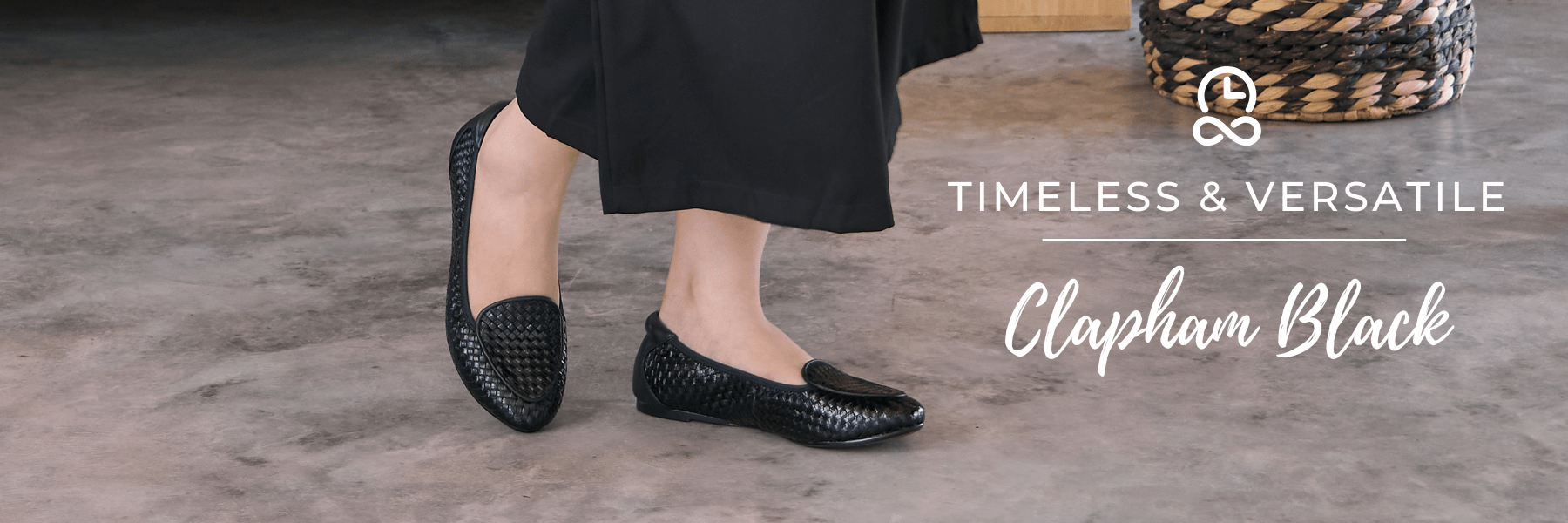
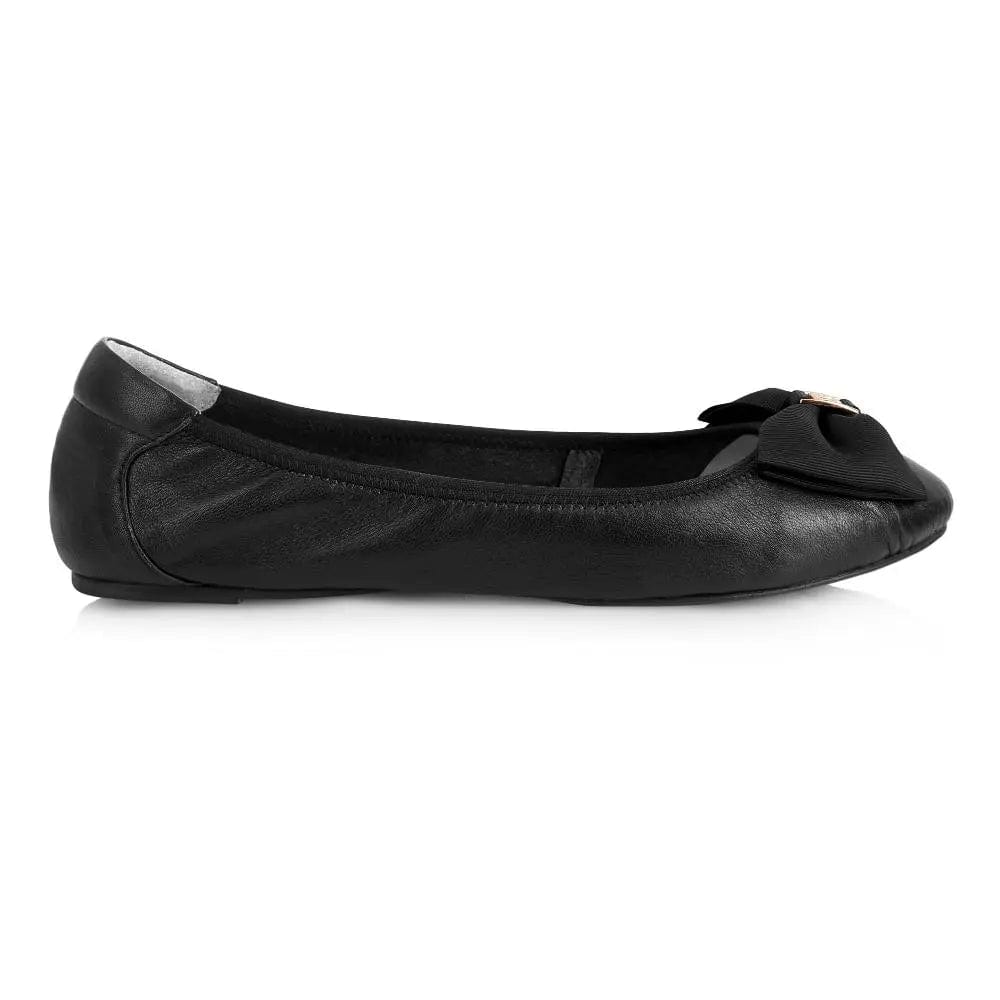
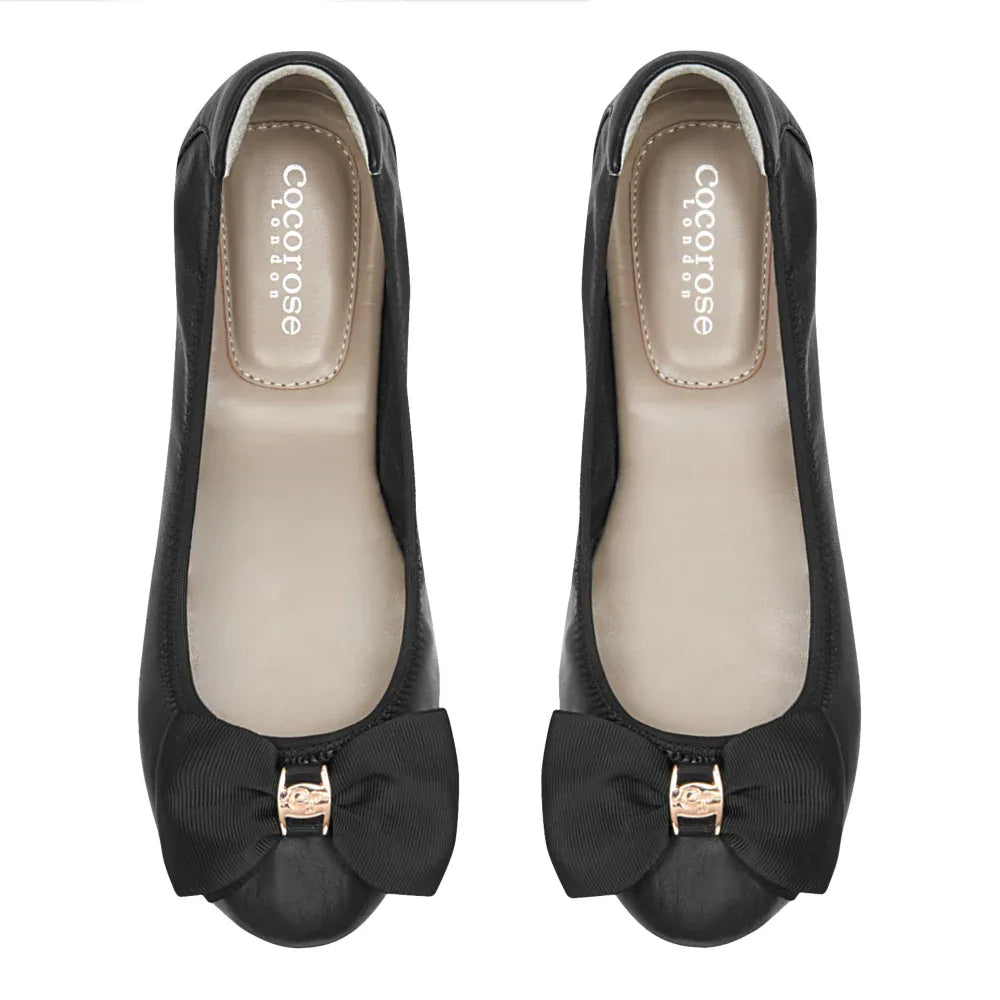
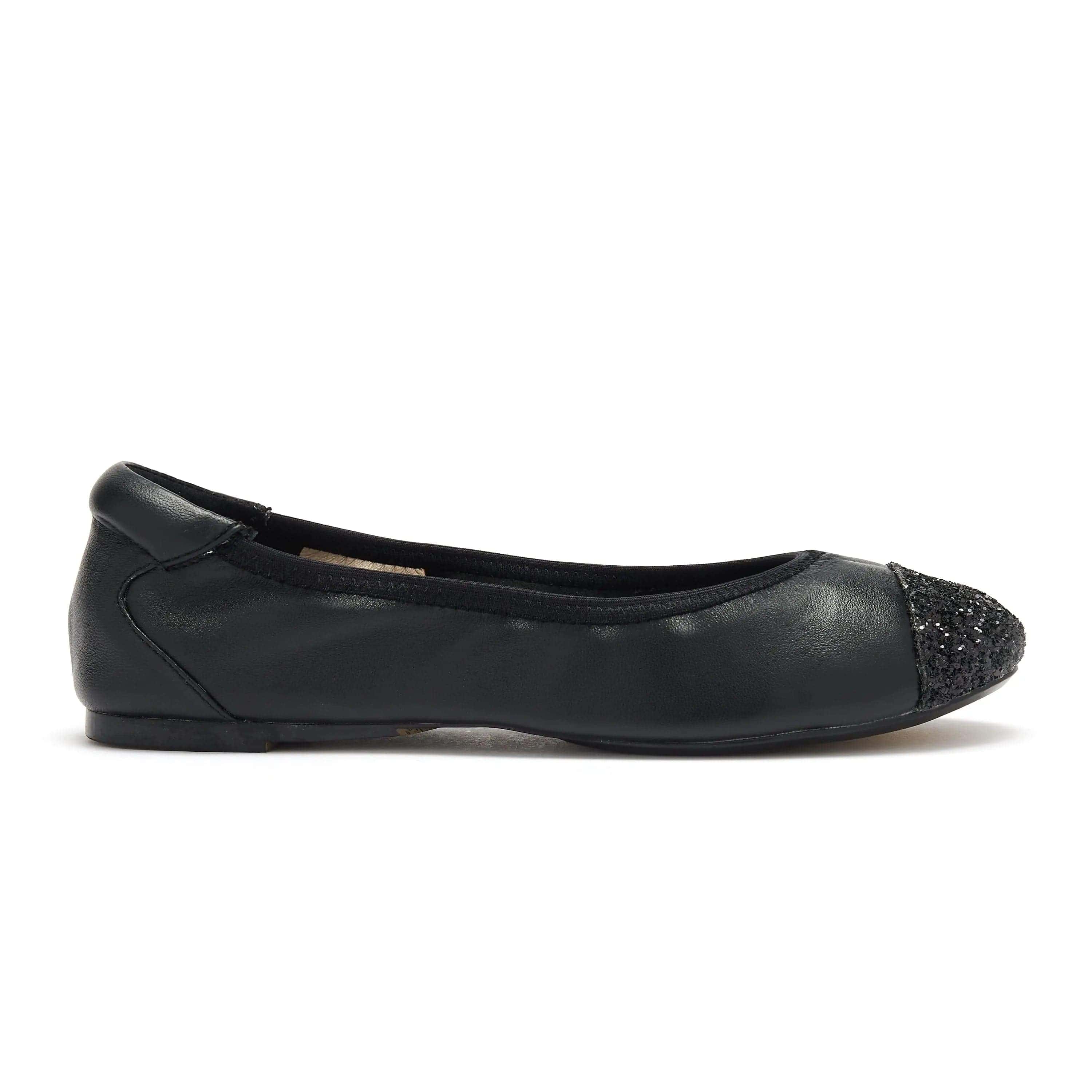
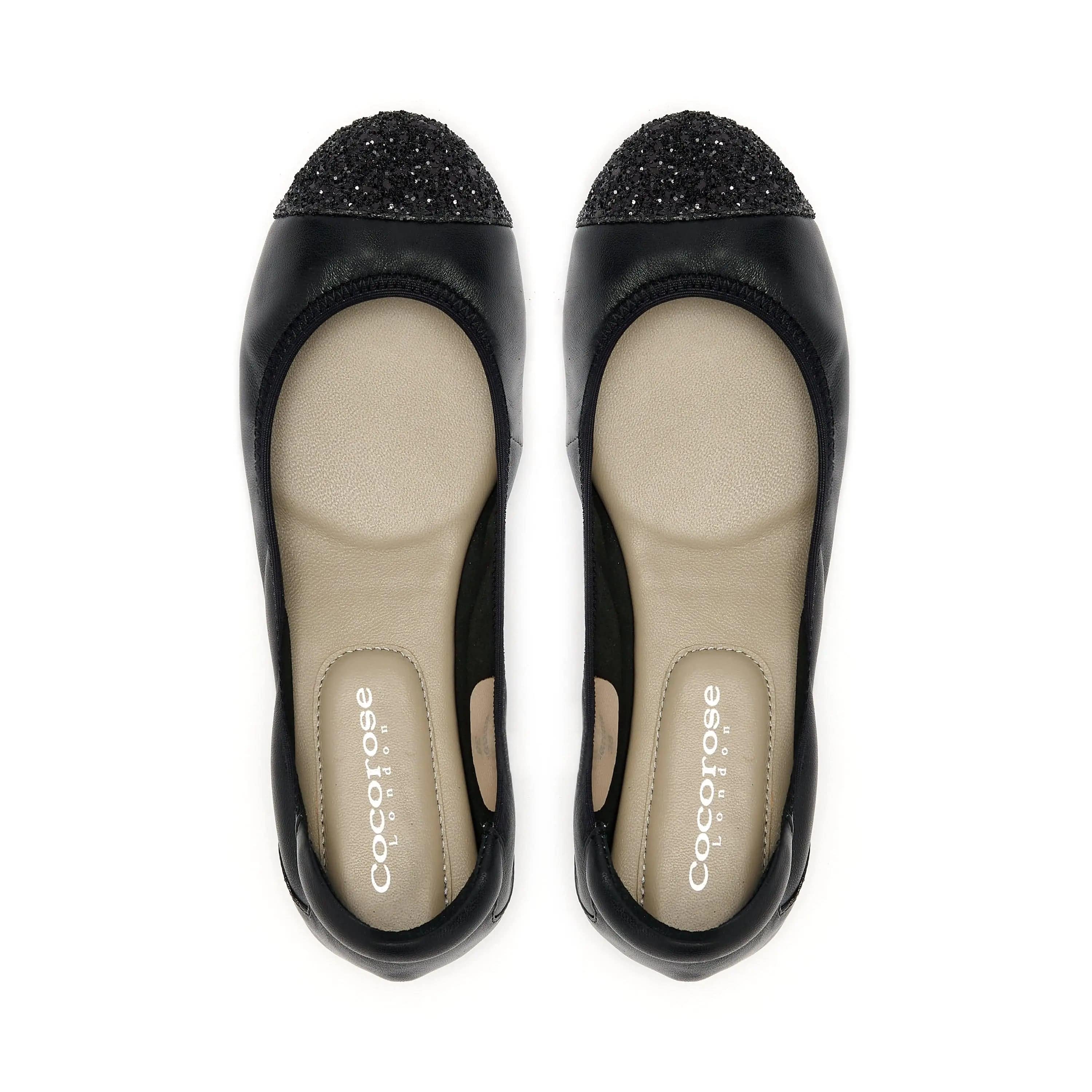
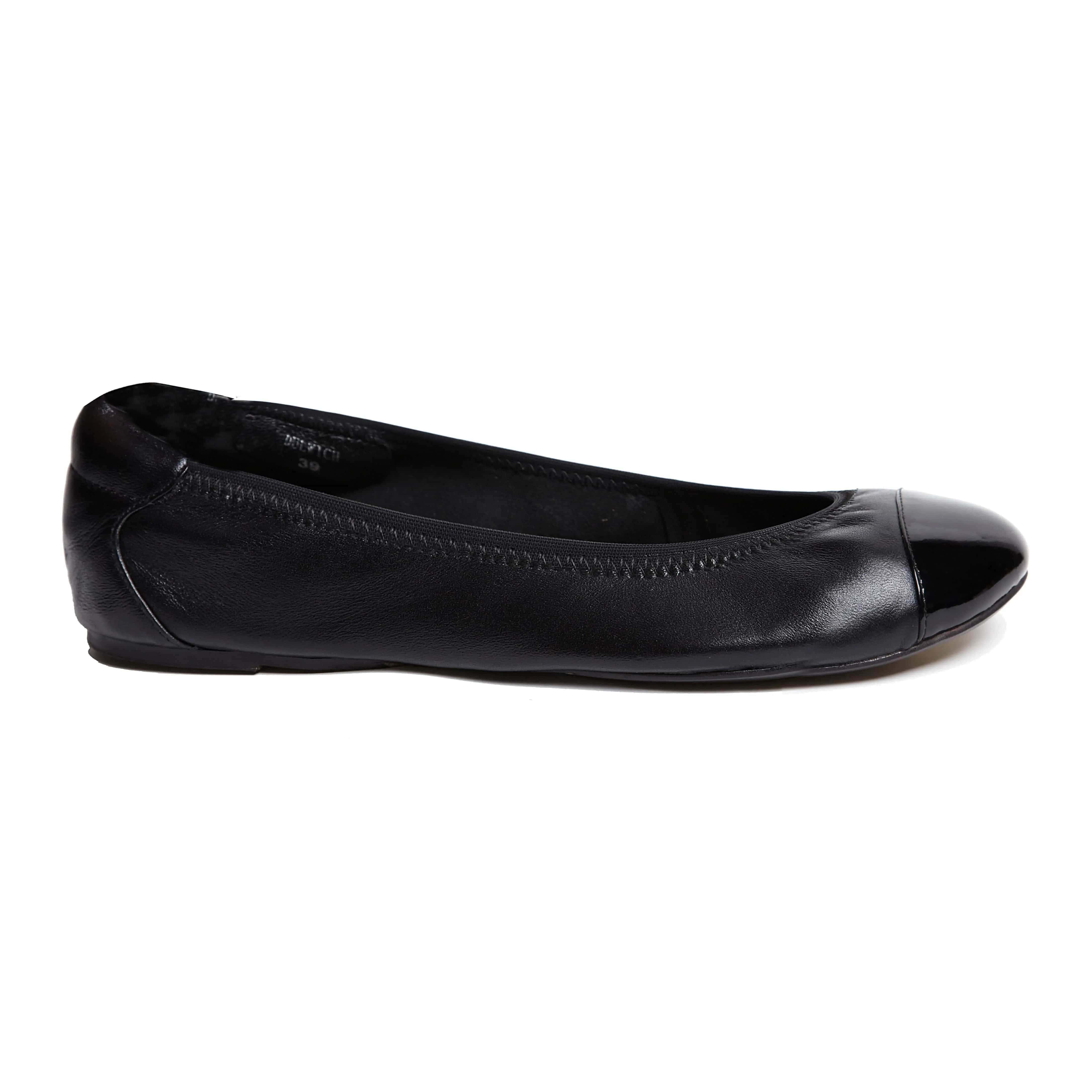
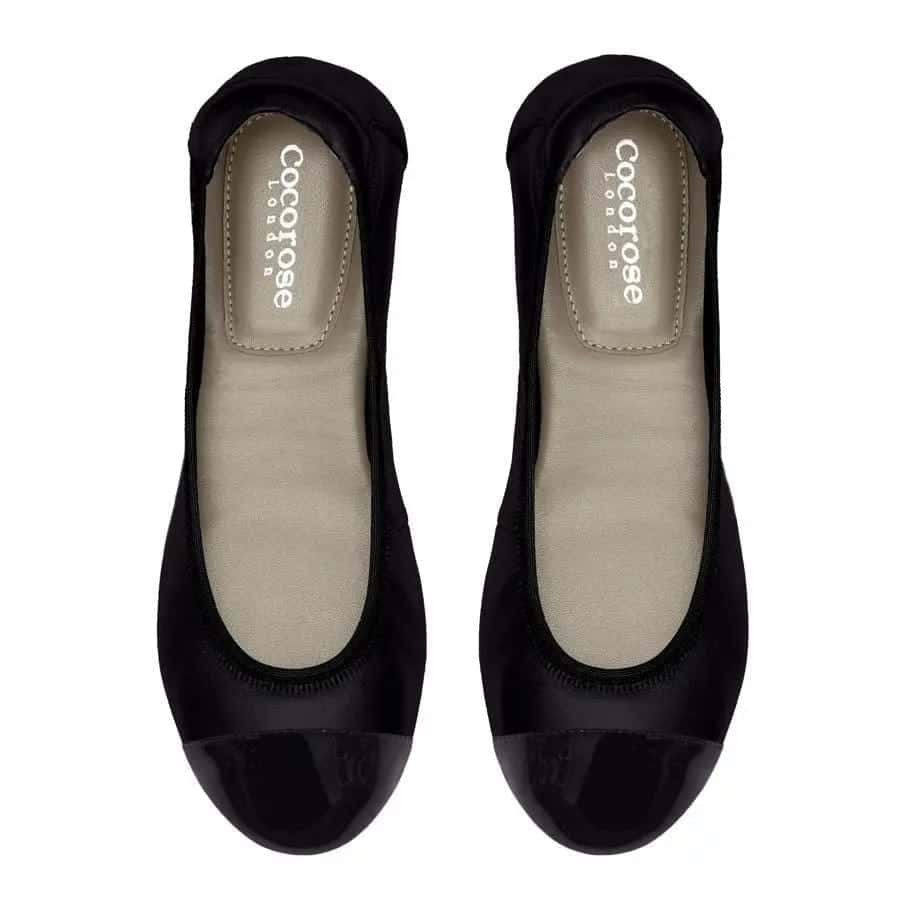
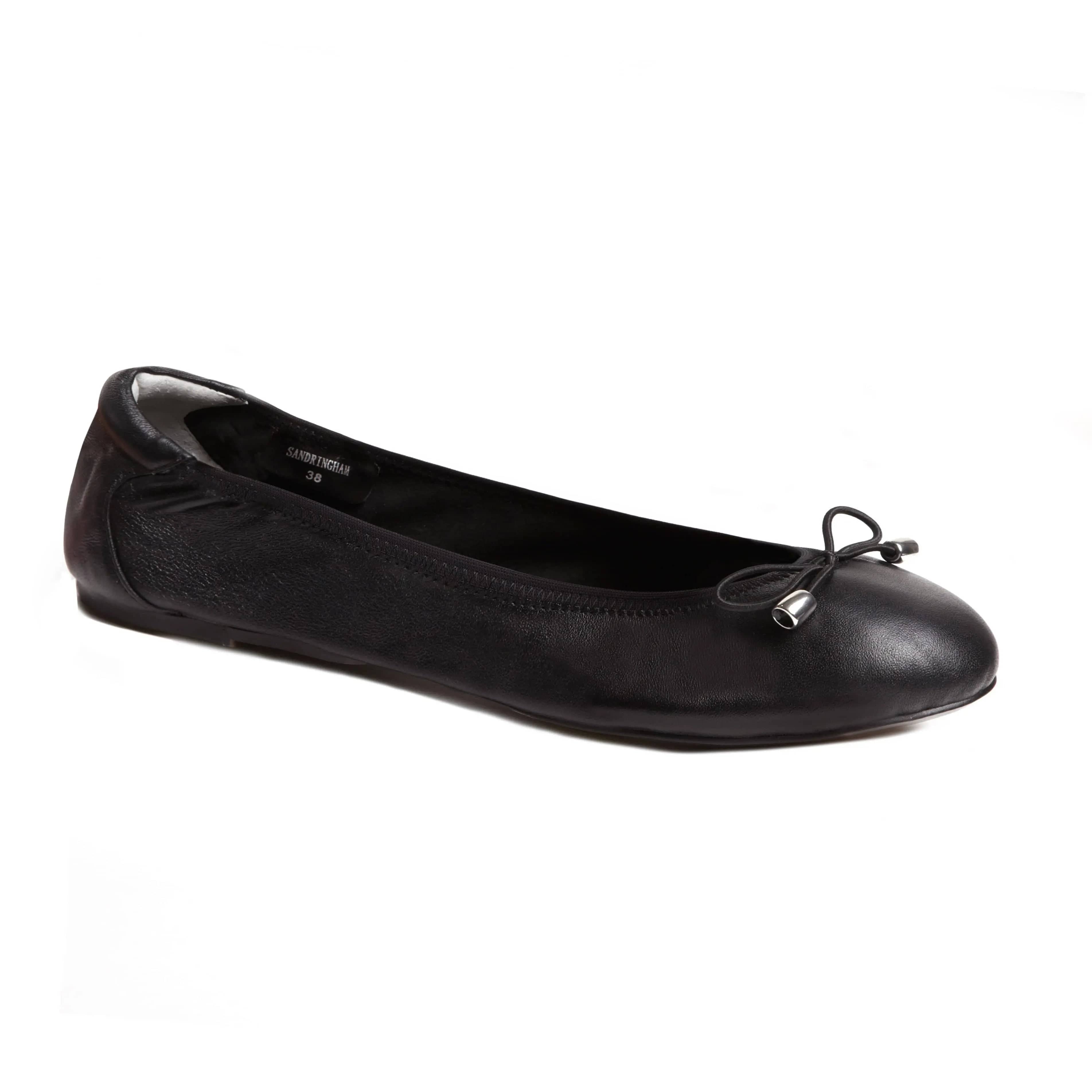
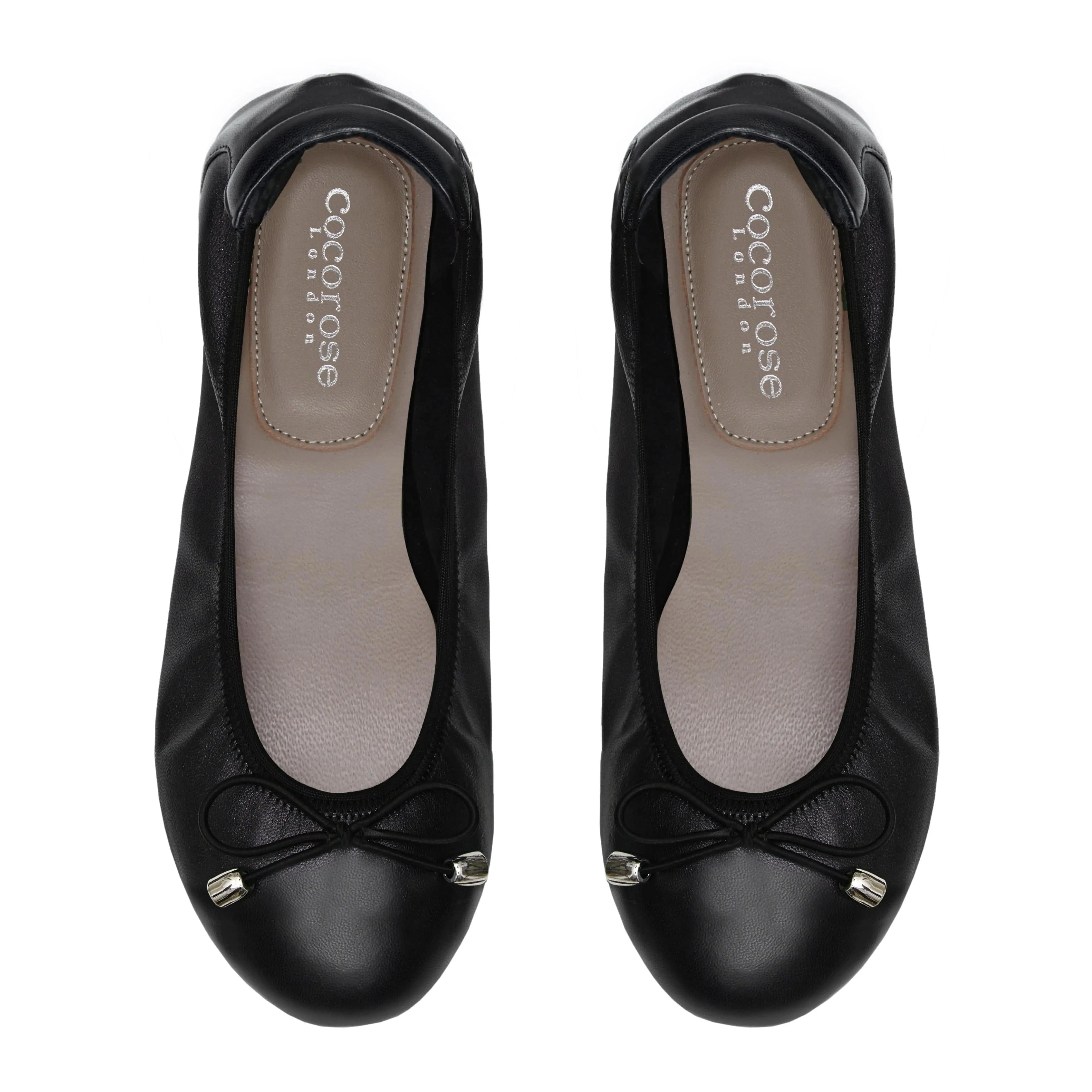
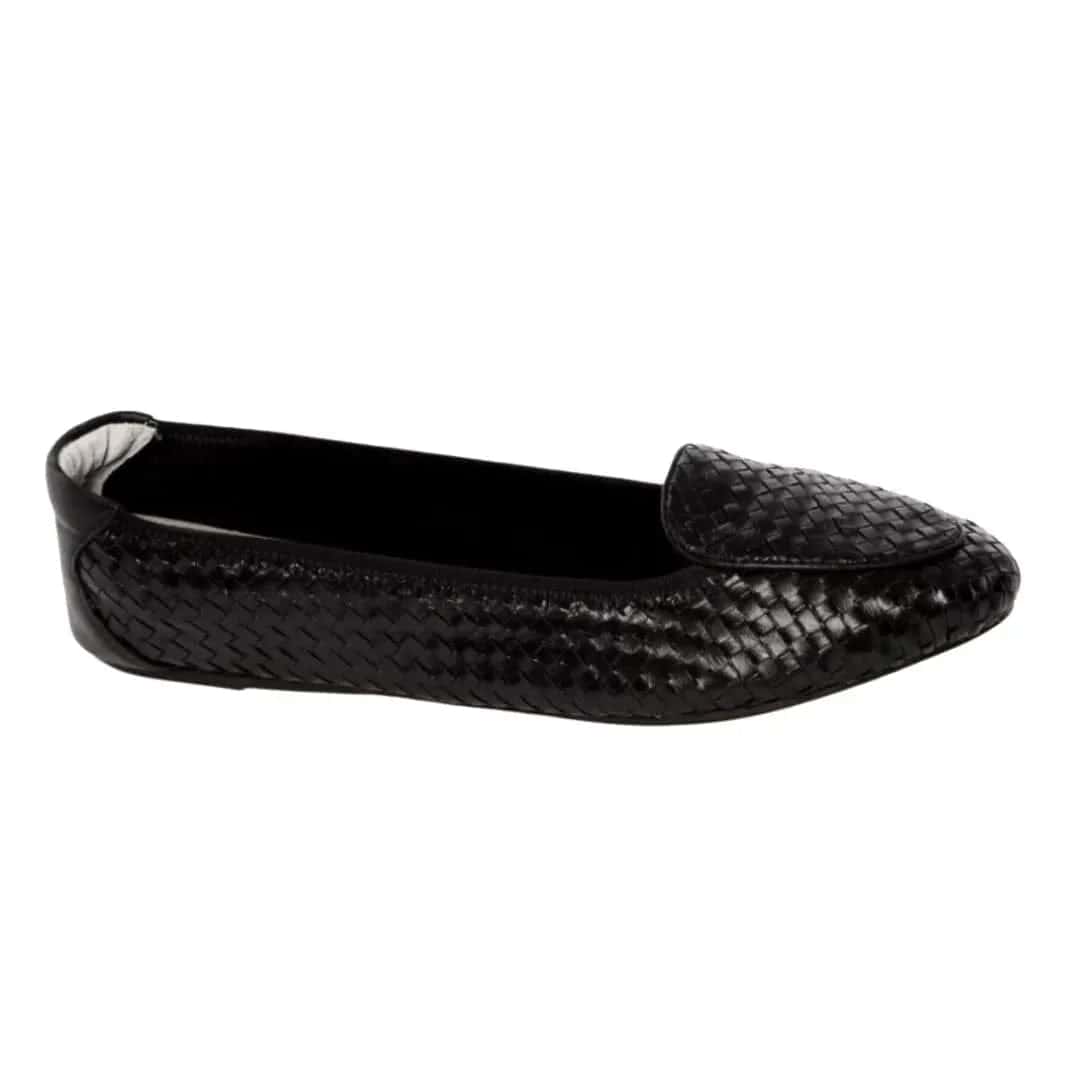
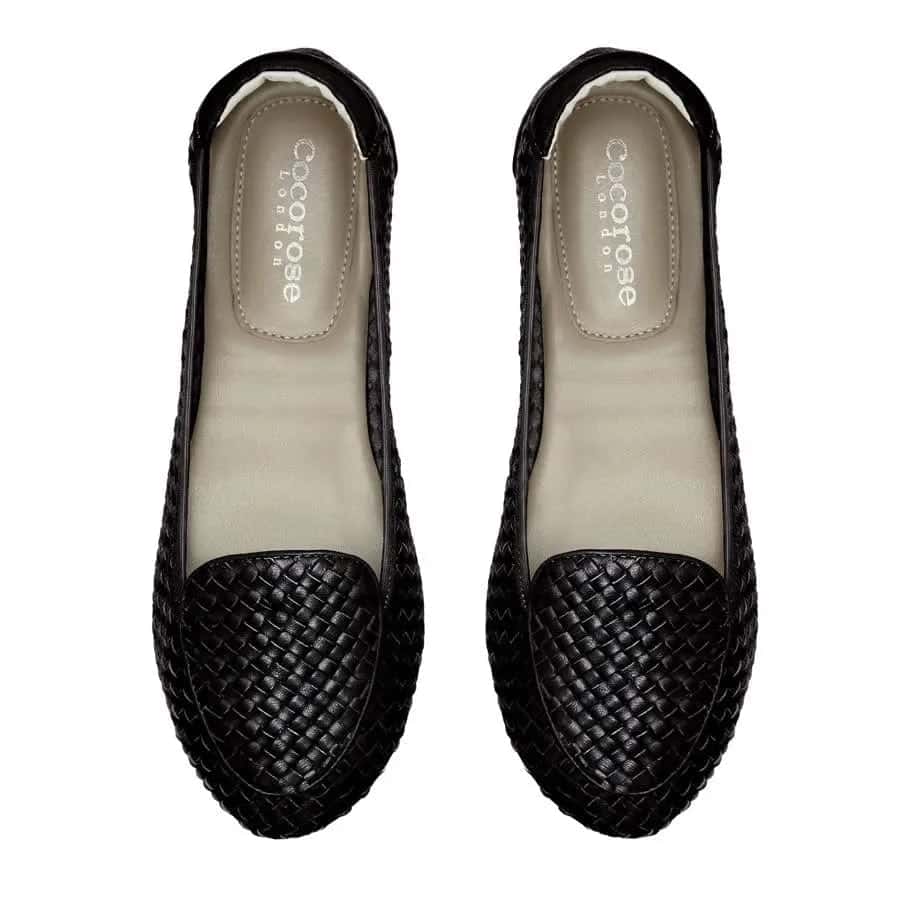
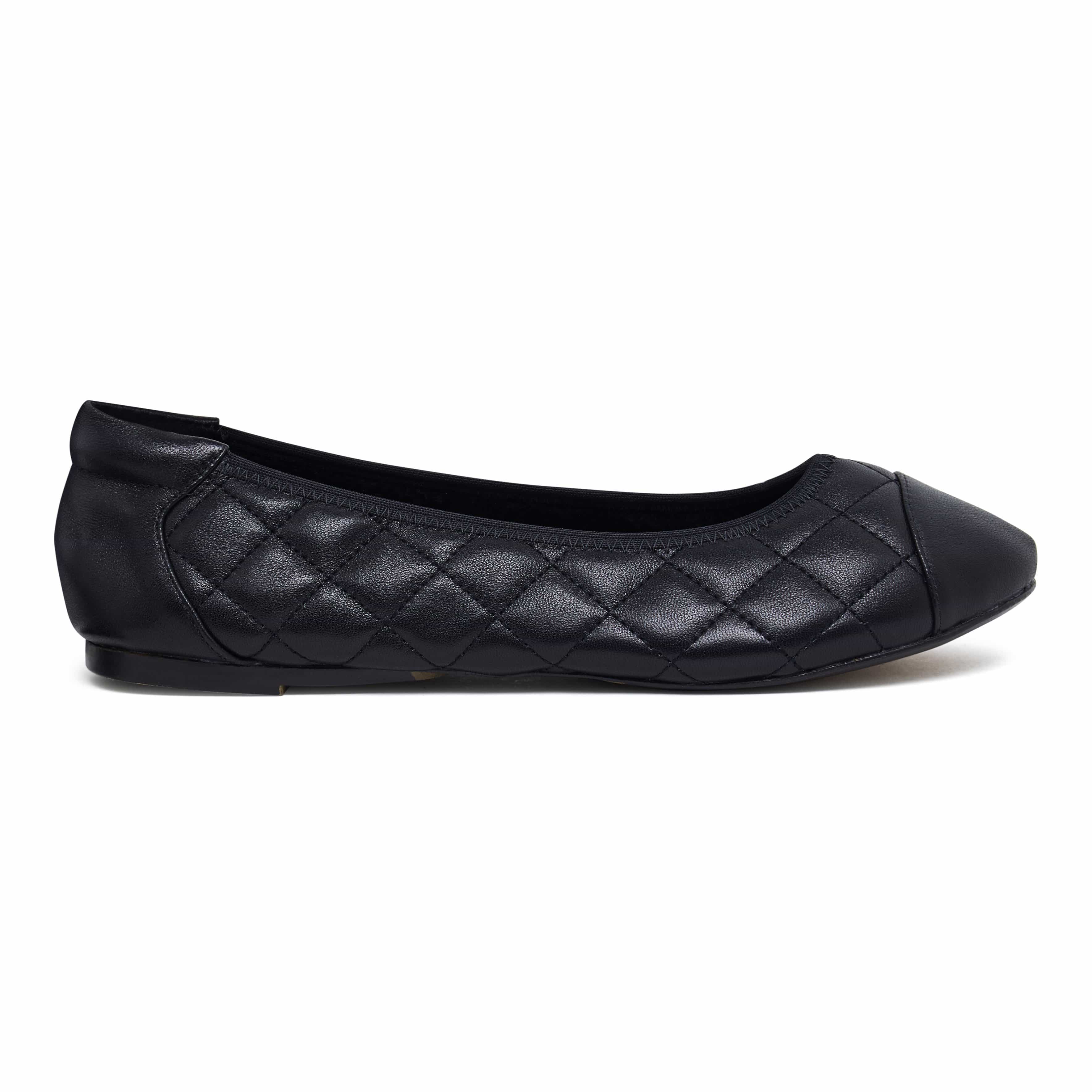
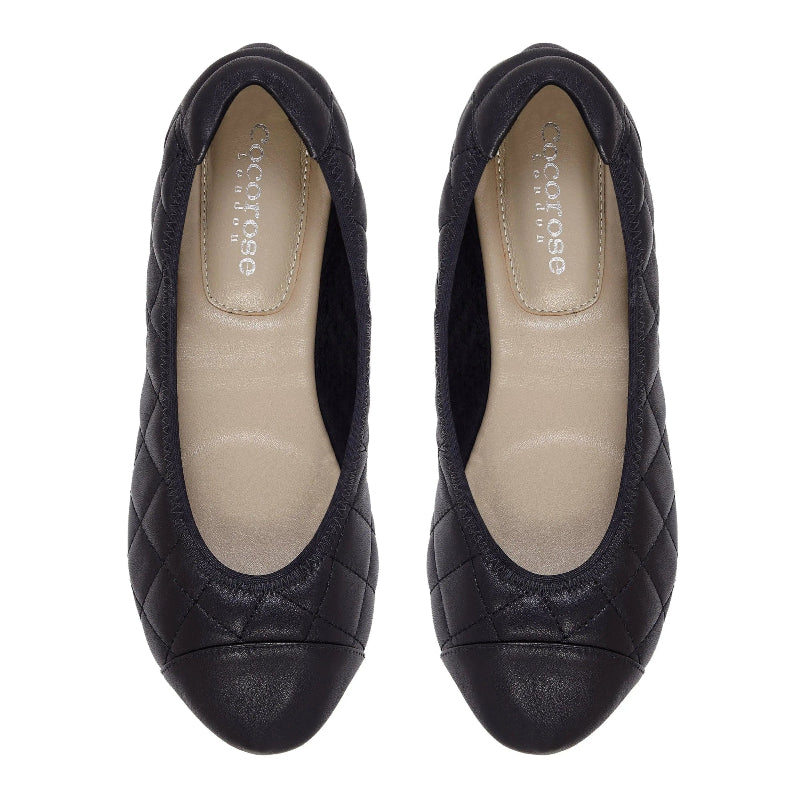
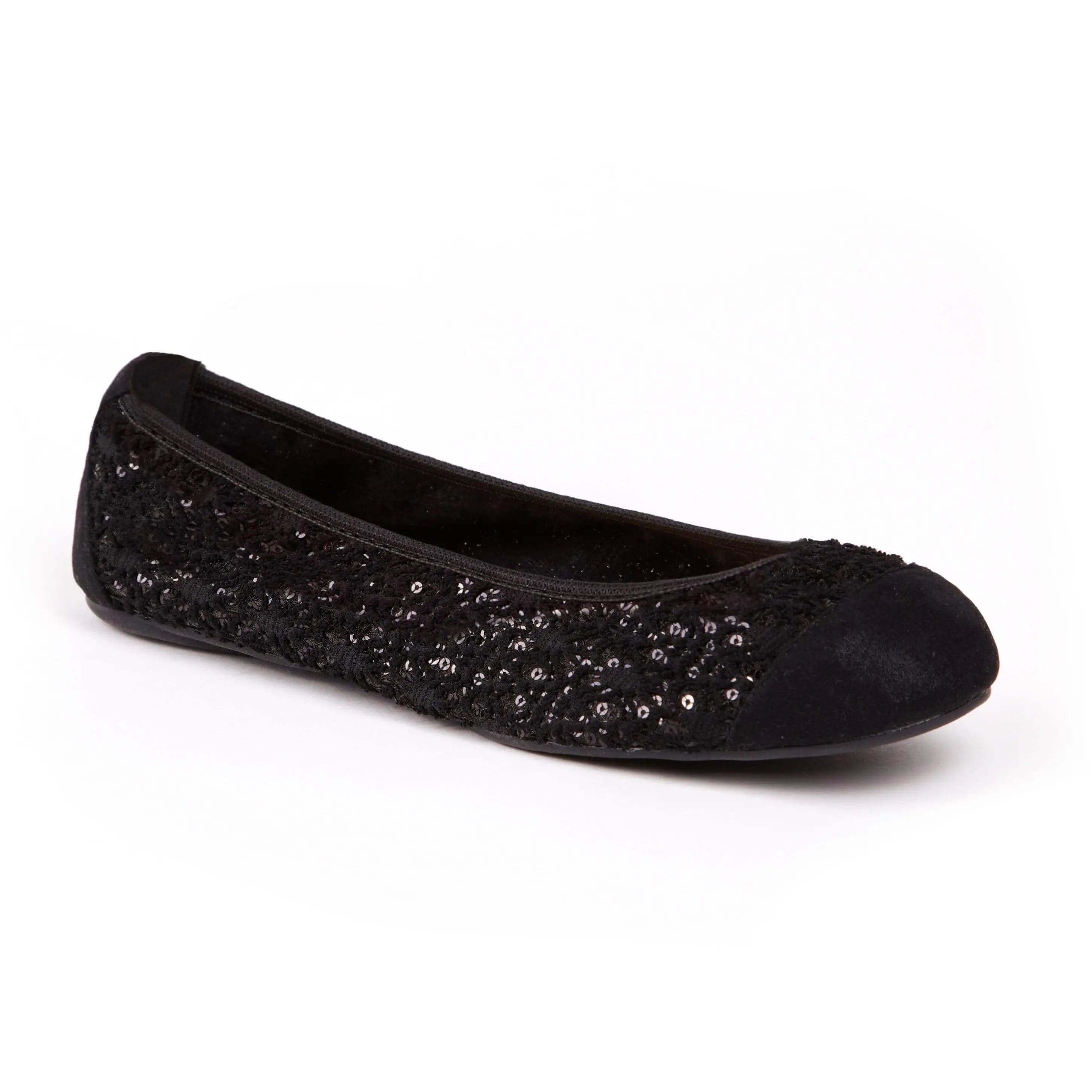
How can you find a pair of black ballet flats that are comfortable and that last. The black ballet flat is core shoe that all women should own because they work with formal and casual outfits, but comfort and longevity vary widely by construction and brand. If you haven't got a pair in your wardrobe, I would love to know, drop us a comment below. The most common fit problems come from insufficient toe room, heel slip, and lack of underfoot support. This guide by Cocorose London helps explain what to check before buying and how to care for black ballet flats so they stay wearable over time.
Start with fit: toe shape, length, and heel security.
Good ballet flats should feel secure on your foot without squeezing, because flats have naturally have less structure compared with trainers or ankle boots. Fit issues often show up when walking: toes rubbing at the sides, the heel lifting, using your toes to try and keep the shoe on you foot, or dull ache at the ball of heel of the foot. If you plan to wear ballet flats for commuting or long days, prioritise a stable heel and enough room in the toe box.
Toe box and toe shape
Toe shape affects pressure points. Almond and round toe shapes typically give more room than sharply pointed styles, which can compress toes and increase rubbing. Check that you can gently wiggle toes and that the upper does not press on the toenails when standing.
Heel fit and slip
Heel slip is common in flats because there is no ankle support. Look for a heel that grips without cutting into the Achilles area. If you are between sizes, the better choice is usually the size that holds the heel securely, provided the forefoot is not cramped.
Width considerations
Width matters as much as length. If the sides of the shoe bow outward or you feel pressure at the big toe joint or little toe, the fit is too narrow. A narrow fit can also cause the shoe to stretch unevenly over time, reducing stability.
Comfort features that matter in black ballet flats
Because ballet flats have low stack height, small design differences can have a large impact on comfort. For many people, the limiting factor is not cushioning alone but a mix of pressure distribution, flexibility, and how the upper holds the foot. Focus on features that reduce friction and improve stability while walking.
Insole cushioning and pressure distribution
A lightly cushioned insole can reduce forefoot pressure, especially on hard surfaces. More cushioning is not always better if it makes the foot unstable inside the shoe. A supportive insole should feel even under the ball of the foot and not collapse quickly after a few wears.
Arch support (and realistic expectations)
Most classic ballet flats have minimal built-in arch support due to their slim profile. If you need more support, prioritize flats that can accept a thin insole without making the shoe too tight. If the shoe becomes cramped after adding an insole, sizing or last shape is likely wrong for your foot.
Flexibility and the bend point
A flat should bend near the ball of the foot, not through the midfoot. Excessive midfoot flexibility can contribute to fatigue. When you gently flex the shoe by hand, it should not fold in half without resistance.
Lining and edge finishing to reduce rubbing
Rubbing typically occurs at the heel edge and the top line around the foot. Softer linings and smoothly finished edges help reduce friction. If the top line digs in, the shoe may be too shallow for your foot or too tight across the instep.
Material choices: leather, suede, and alternatives

Material affects breathability, stretch, maintenance, and how the shoe ages. For black ballet flats, finishes also influence how quickly scuffs show and how easy they are to restore. Choose materials based on your typical weather, walking distance, and tolerance for upkeep.
Leather uppers
Leather typically molds to the foot over time and can be easier to clean than suede. It may show creases with wear, which is normal. Black leather can also be re-conditioned and, depending on finish, polished to reduce the appearance of light scuffs.
Suede uppers
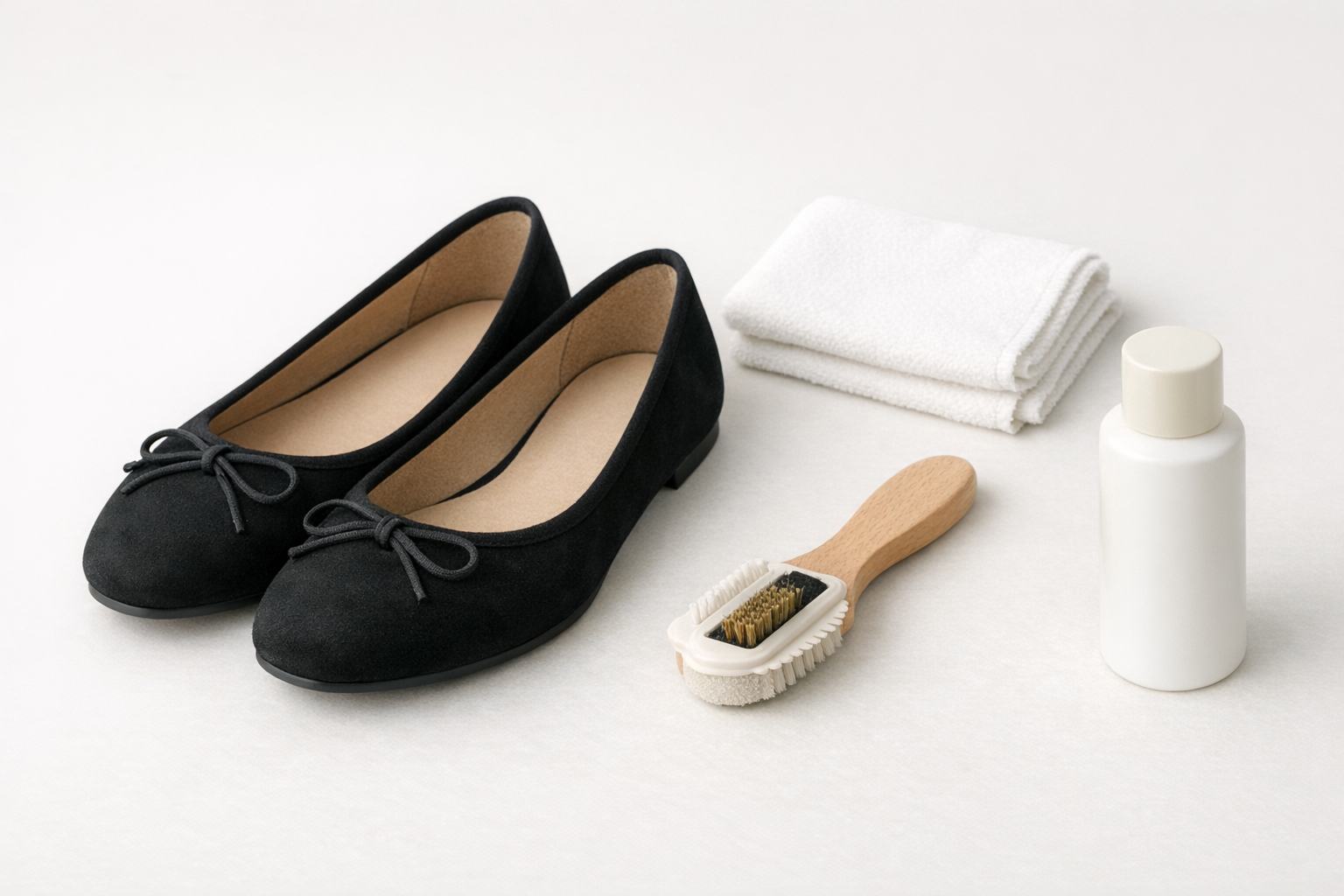
Suede can look refined but is more sensitive to water and stains. Black suede can show salt marks and dust more readily than smooth leather. If you choose suede, plan on regular brushing and using a suitable protector before the first wear.
Vegan and synthetic materials
Some flats use synthetic uppers and linings. Performance varies widely, but common trade-offs include lower breathability and different aging patterns compared with leather. Check for soft lining materials at friction points and avoid stiff synthetics that crease sharply across the toes.
Ballet Flat outsole and construction: what affects grip and durability
The outsole and how it is attached influence slip resistance, noise, and how long the shoe lasts. Flats often have thin soles, so wear can show quickly at the heel and forefoot if the outsole compound is soft. Construction details are useful indicators when comparing similar-looking pairs.
Outsole material and traction
Rubber outsoles usually provide better grip than smooth leather soles on wet pavement. Some flats use a thin rubber forefoot patch and heel tap; this can improve traction while keeping a slim profile. If you frequently walk on polished indoor floors, traction becomes a higher priority.
Stitching, bonding, and edge durability
Some flats rely primarily on adhesive bonding, while others use stitching in key areas. Well-finished edges and secure sole attachment help reduce peeling and separation. Examine the seam where the upper meets the sole for neat alignment and consistent bonding.
How to style black ballet flats without compromising comfort
Styling choices can change how a flat feels, especially with socks, hosiery, and hem lengths. If you plan to wear flats all day, pair them with outfits that allow a natural stride and do not force the foot to grip the shoe. Small adjustments, like the right sock liner, can also reduce friction.
With trousers and jeans
Cropped and ankle-length hems typically show the top line of the shoe and can look balanced with both round and almond toe shapes. If you wear full-length trousers, ensure the hem does not drag under the heel, which can cause slipping and premature wear. No-show liner socks can reduce moisture and help prevent rubbing.

With dresses and skirts
Black ballet flats work with midi and knee-length silhouettes where a low-profile shoe keeps the outfit proportionate. If you prefer tights, choose a denier that reduces shoe slip and friction. For formal settings, a cleaner toe shape and a smooth black finish are generally easier to match.
For travel and commuting
If you are packing flats for travel, prioritize pairs that maintain shape after being stored in a bag. A lightweight pair is easier to carry, but it still needs a stable sole for walking between transport connections. Consider bringing blister plasters and liner socks for long walking days.
Care and maintenance for black ballet flats
Regular care can slow visible wear and help prevent odour, especially in closed-toe flats worn without socks. Always let flats dry between wears, and avoid storing them in damp environments. Match cleaning methods to the upper material to avoid discoloration.
Cleaning by material
- Leather: Wipe with a slightly damp cloth, let dry, then apply a suitable leather conditioner; buff if needed for an even finish.
- Suede: Use a suede brush to lift nap; use a suede eraser for marks; avoid soaking.
- Synthetics: Use a damp cloth and mild soap if appropriate; test on a small area first to avoid dulling.
Protecting and storing
Use a protector suited to the upper material, especially for suede. Store flats with shoe trees or tissue to help maintain shape and reduce toe creasing. If soles become slippery, a cobbler can add thin traction pads in many cases.
FAQ on choosing comfortable black ballet flats that last
Do black ballet flats stretch over time?
Many leather flats stretch slightly as the upper molds to the foot, especially across the forefoot. Suede can also give a little, while many synthetics stretch less or crease instead. Stretch should not be relied on to fix a noticeably tight fit.
Why do ballet flats slip at the heel?
Heel slip is often caused by a shallow heel cup, a size that is too long, or a foot shape that does not match the shoe last. It can also happen when the insole is slippery or when hosiery reduces friction. A secure heel fit should feel stable when walking without needing to grip with toes.
Are rubber soles better than leather soles for flats?
Rubber soles usually provide more traction on wet or smooth surfaces and can reduce slipping. Leather soles can be sleek but may be more slippery until scuffed in and may wear differently depending on use. For frequent outdoor walking, rubber is often the more practical outsole material.
Can you wear ballet flats with orthotics?
Some flats can accommodate thin insoles, but many have limited internal volume. If an orthotic makes the shoe tight across the toes or instep, sizing up may not solve the problem because it can create heel slip. Flats designed with removable insoles are typically easier to adapt, but construction varies by model.
How do you prevent odour in ballet flats?
Let flats air out fully between wears and avoid wearing the same pair on consecutive days when possible. Use no-show liner socks to reduce moisture and consider a removable insole or an odour-absorbing insert if the shoe has enough room. Keep the interior dry; moisture build up is a common driver of odour.
Please leave a comment if you wish
This site is protected by hCaptcha and the hCaptcha Privacy Policy and Terms of Service apply.