
Article: Are Leather Trainers Good for Walking & All Day Wear? What Podiatrists & Wearers Agree On
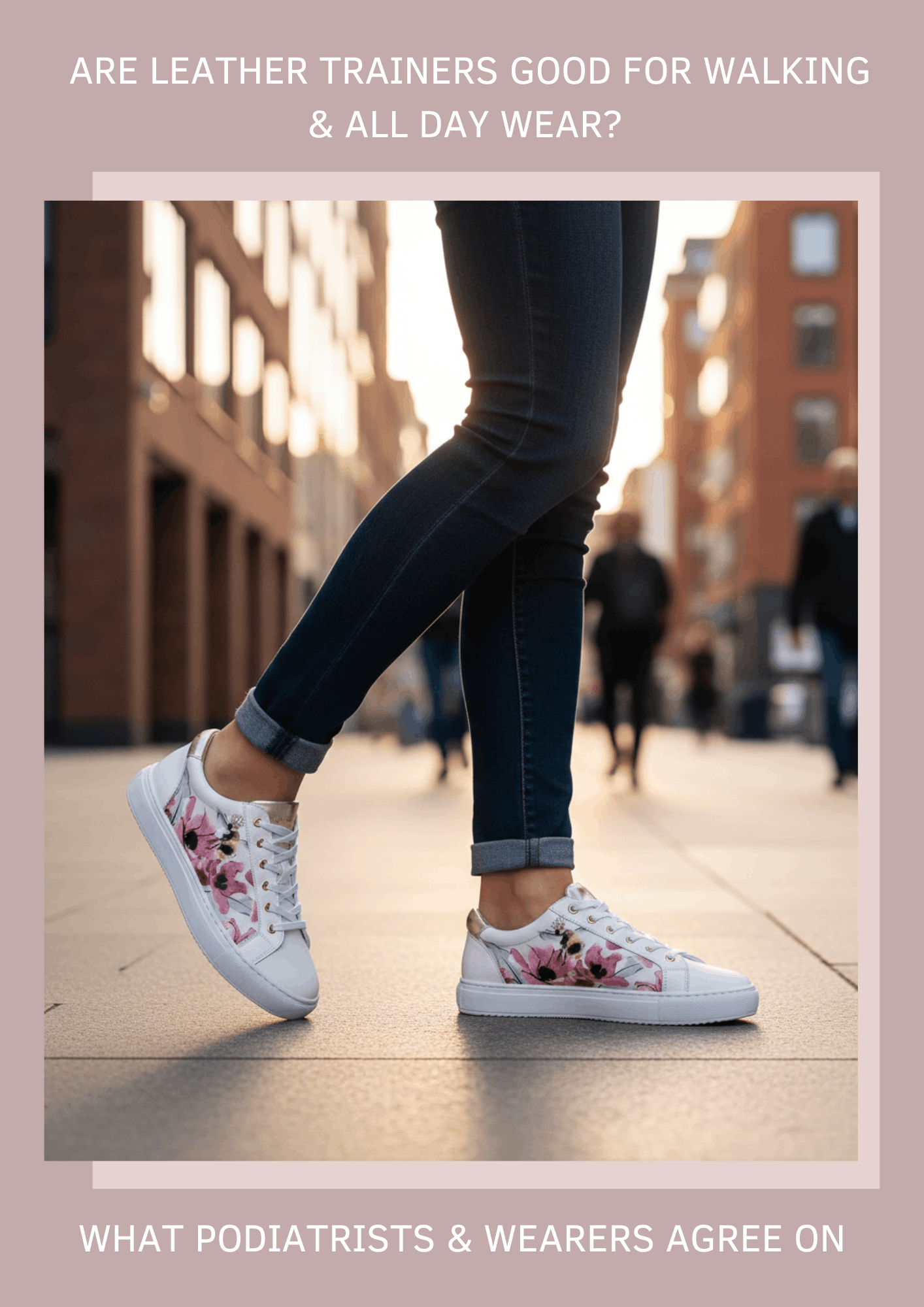
Are Leather Trainers Good for Walking & All Day Wear? What Podiatrists & Wearers Agree On

When choosing trainers for walking or all-day wear, many women instinctively reach for lightweight mesh or technical sports trainers. Leather trainers, by contrast, are often seen as more “fashion-led”; stylish, yes, but perhaps not practical for long days on your feet.
In reality, this assumption misses a crucial point. When designed correctly, leather trainers can offer exceptional comfort, durability and support for walking, commuting and everyday life, often outperforming synthetic alternatives over time.
So are leather trainers actually good for walking and all-day wear? The short answer is yes, but only when the design, materials and fit are right.
For a broader overview of how leather trainers should fit and feel, read our ultimate guide to women’s leather trainers, which brings style, fit, comfort and care all together in one place.
What Walking & All-Day Wear Really Demands From a Trainer
Walking for extended periods places repeated stress on the feet. Unlike short workouts or occasional wear, all-day walking requires footwear that can adapt as your feet change throughout the day.
Podiatrists consistently highlight that shoes worn for prolonged periods should accommodate:
- Natural foot expansion
- Changes in pressure distribution
- Toe splay during movement
- Mild swelling as the day progresses
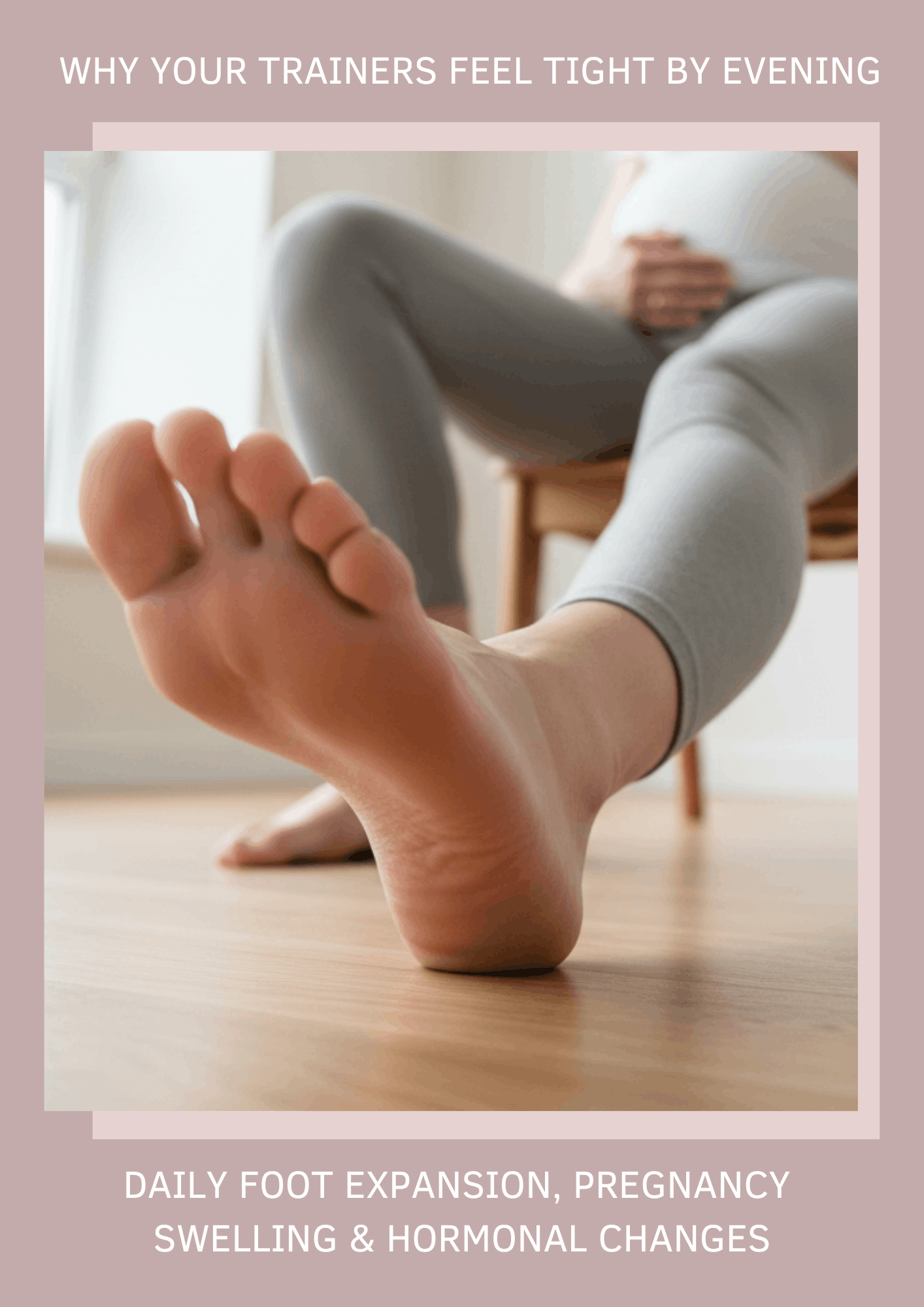
This is why many women find that trainers which feel fine in the morning become uncomfortable by evening, and it is a phenomenon we explore in more detail in our article on why trainers feel tight by evening and how feet expand throughout the day.
A good walking trainer isn’t just cushioned. It must work with the foot, and not against it.
Why Leather Can Be an Excellent Material for Walking
Leather has several natural properties that make it particularly suitable for all-day wear when compared to synthetic uppers.
High-quality leather is:
- Naturally flexible, allowing it to adapt to foot shape over time
- Breathable, helping regulate temperature and moisture
- Durable, maintaining structure with repeated wear
- More forgiving around pressure points, such as bunions or wider forefeet
Unlike rigid synthetics or plastic-based PU materials, leather softens gradually without losing integrity. This means it can accommodate subtle foot changes throughout the day rather than resisting them.
This adaptability is especially beneficial for women with wider feet or bunions, which we explore further in our guide to leather trainers for wide feet and bunions.
Why Cushioning Alone Isn’t Enough
Cushioning is often the first feature people look for when choosing comfortable trainers, but cushioning alone doesn’t guarantee all-day ease.
True comfort comes from how the entire shoe works in harmony with the foot. A supportive trainer should allow natural toe spread, accommodate daily swelling and distribute pressure evenly rather than concentrating it in one area.
Foot width and forefoot volume play a crucial role here. If the upper is too narrow or restrictive, even the most cushioned sole cannot compensate. This is why many women experience forefoot pressure despite wearing “comfortable” trainers, and this is a topic we explore further in how to measure foot width at home (and why it isn’t as simple as you think).
Soft leather uppers, minimal internal seams, adequate toe box space and adjustable lacing all work together to support comfort far more effectively than cushioning in isolation.
Leather Trainers vs Sports Trainers for Everyday Walking
It’s important to distinguish between performance running shoes and everyday walking trainers.
Running shoes are designed for:
- Forward propulsion
- Short, intense bursts of activity
- Technical movement patterns
Everyday walking and commuting place different demands on the foot. For urban walking, travel and long days on your feet, overly technical shoes can sometimes feel unstable or overly rigid.
Well-designed leather trainers offer:
- Stable, predictable support
- A balanced sole that supports natural gait
- Comfort across varied surfaces
- Versatility for work, travel and social wear
This makes them particularly suited to real-world movement and not just exercise.
Foot Conditions & Why Walking Shoes Must Adapt
Many women choosing walking trainers are also managing foot conditions, even if they don’t label them as such.
These may include:
- Mild bunions
- Toe splay
- Hormonal swelling
- Pregnancy and post-pregnancy foot changes
- Sensitivity across the forefoot
In these cases, adaptability matters more than technical performance features. Leather trainers that prioritise toe box shape, upper softness and pressure-free construction can significantly improve comfort over long days.
If pregnancy or hormonal changes are part of your experience, you may also find it helpful to read our article on hormonal swelling of feet and shoe fit, which explains why feet often behave differently as the day progresses.
Are Leather Trainers Suitable for Long Walks?
For many women, the answer is yes, provided the trainer is designed for walking, and not just appearance.
Look for leather trainers with:
- Rounded or anatomical toe box shapes
- Soft, pliable leather uppers
- Cushioned yet supportive insoles
- Minimal seams across the forefoot
- Secure heel and midfoot support
- Adjustable lacing
These features allow leather trainers to support extended walking while remaining comfortable from morning to evening.
How This Applies to Cocorose Trainers
At Cocorose, our trainers are designed specifically for real life; walking, commuting, travel and busy days that don’t stop.
Styles such as the Hoxton or Moorgate trainers are often chosen for walking because they combine:
- A roomier toe box
- Soft, supple leather that adapts to foot shape
- Adjustable fit through lacing
- Cushioned insoles to absorb impact
- A balanced sole for stable movement
Rather than relying on one technical feature, genuine comfort emerges from dozens of thoughtful design decisions working together. The best walking trainers aren't defined by thicker cushioning or softer leather alone, but by how naturally they allow you to move through your day without constantly thinking about your feet.
The Takeaway: Leather Trainers Can Be Excellent for Walking When Designed Well
Leather trainers are not just a stylish alternative to sports shoes. When thoughtfully designed, they can be among the most comfortable options for walking and all-day wear.
Comfort isn’t about one feature. It’s about fit, flexibility, foot behaviour and how a shoe responds to the realities of daily movement.
Over the years, I have also come to realise that comfortable footwear does something far more important than simply supporting our feet. It subtly influences how willing we are to keep moving. Shoes that feel good encourage us to walk a little further, stay on our feet a little longer and gradually build healthier habits without us even noticing. I explore this fascinating connection between comfort, walking and behavioural science in my founder essay, Why Comfortable Shoes Make You Walk Further.
If you’d like a broader overview of how leather trainers should fit, feel and perform, our guide The Ultimate Guide to Women’s Leather Trainers: Style, Comfort, Fit & Care brings all these considerations together in one place.

Please leave a comment if you wish
This site is protected by hCaptcha and the hCaptcha Privacy Policy and Terms of Service apply.