
Article: Why Do Americans Call Trainers, Sneakers?

Why Do Americans Call Trainers, Sneakers?
The Great Atlantic Divide: Why Do Americans Call Trainers “Sneakers”?
Musings by Gareth AJ
Having spent nearly two decades navigating the footwear industry, one might think I’d have solved the greatest lexical mystery of the modern wardrobe earlier. But as a shoe-obsessed Brit, I have finally decided to cross the linguistic pond to answer a question that has baffled tourists and expats alike: Why do our American cousins insist on calling our perfectly sensible “trainers” by the somewhat curious name “sneakers”?
Whether you are drinking a pint in Derby or sipping a bourbon in Boston, the shoes on your feet are doing the same job. Yet, the words we use to describe them reveal a fascinating history of marketing, technology and cultural identity.
Buckle up (or lace up). We are diving into the history of the humble rubber sole.
The Silent Revolution: The Etymology of the "Sneaker"
To understand the word, I have discovered that I had to understand the noise, or the lack thereof.
While the British "trainer" is a pragmatic descriptor of function (a shoe to be worn for sports training), the American "sneaker" is a descriptor of sound. See, I told you we would learn something.
From what I have researched, in the late 19th century most footwear was made almost entirely of leather. This makes sense, as most of the "man made" synthetic materials used on uppers were developed in the 50's and 60's. Leather soles are noisy; they clack, click, and clatter against cobblestones and pavements of the time. However, the mid 1800's saw a massive innovation: the vulcanization of rubber by Charles Goodyear. This is a process that gives rubber more elasticity and strength. Suddenly, shoe soles could be flexible, durable, and quiet. Fascinatingly it appears to be a British company, The Liverpool Rubber Company, who may lay claim to the first sneaker/trainer. In the 1830's they made a shoe with a canvas upper and rubber outsole. These are later renamed Plimsolls - see more on these below.
According to historical archives and etymologists, the term "sneaker" was popularised around 1917 by marketing company called Ayer & Son. Often attributed to the marketing executive Henry Nelson McKinney. It was used to help sell a style, made by the US Rubber Company, called Keds. Apparently suggesting that the rubber sole of the Keds allowed the wearer to "sneak" up on someone.
So, while the British focused on the athleticism of the shoe, Americans focused on the stealth of the rubber.
Fun Facts:- Here is a name many people in their 40's and above will recognise. In the UK before these shoes were trainers, they were often called "Plimsolls" . Named after the Plimsoll line on ships, because the rubber band resembled the line on ships that indicated the maximum depth to which the boat could be loaded. Going back a further they were called "Sandshoes" in the Victorian era. This was reference to footwear suitable for the British beach - well I hope they were rain proof !
"Trainers": The British Practicality
Across the Atlantic, the British approach to naming was far more literal. As the fitness craze hit the mid-20th century, specifically the running boom of the 1960s and 70s, companies began producing shoes specifically for "training."
We didn't care that they were quiet; we cared that they were for sport. Hence, "Training Shoes" was quickly shortened to "Trainers." It is a more formal, perhaps purposeful name. Typical of English language and marketing at this time. It implies activity and movement.
A Global Glossary: What the Rest of the World Says about Trainers
If you think the US/UK divide is confusing, the rest of the English-speaking (and shoe-wearing) world adds even more flavour to the mix. From scouring the internet and reading far too many Reddit and Quora threads than I had time for, I’ve compiled a list of International names for the British Trainer. Perfect for your next international shopping trip.
- United Kingdom: Trainers. Although I have read that the word Gutties is used in some parts of Scotland, and Daps (which I rather like) in parts of Wales. In NI, Runners is heard a lot.
-
United States: Sneakers. Although in the Southern States the term "Tennis Shoes" in often used, regardless of the shoes use.
- Canada: Mix of Sneakers and "Runners" is common.
- Ireland: Runners
- Australia: Runners or the vintage "Sandshoes."
- South Africa: "Takkies" (derived from the 'tack-tack' sound of soles - although it means branch/twig in Dutch!).
- Germany: Turnschuhe (Gym shoes) Although when we sold there, it was Sneakers.
- France: Les Baskets - Baskets, short for basketball shoes, Tennis too
- Netherlands: Sneakers. That's what we mostly heard when we sell there - or 'Sneaks'
It is a testament to how culture shapes language. In the US, the shoe is an icon of cool (the "sneak"). In the UK, for so long, it was a tool for exercise (the "train"). Of course that has hugely changed since the 80's and 90's.
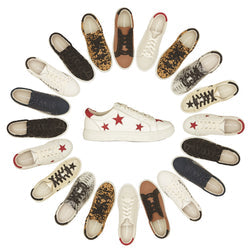
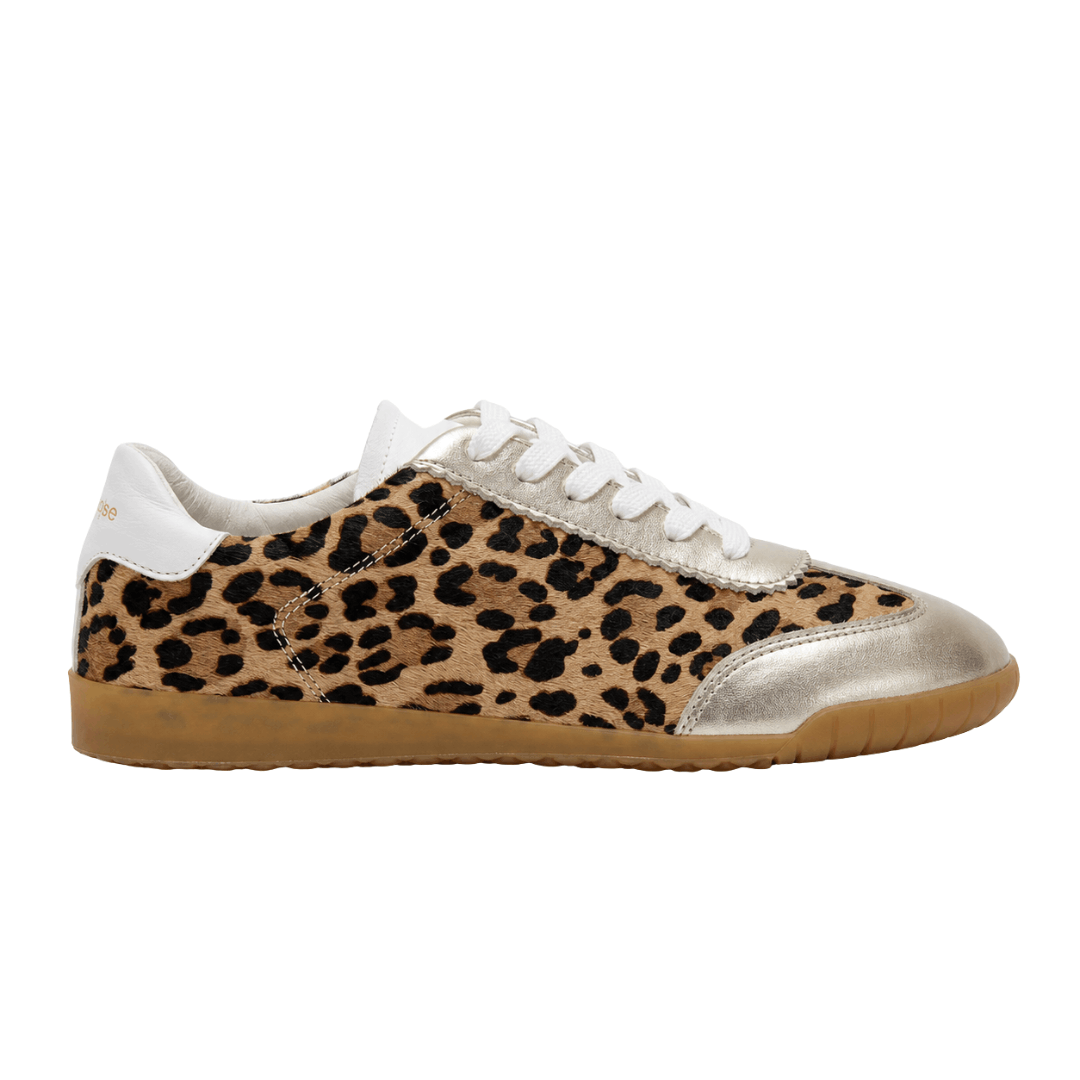
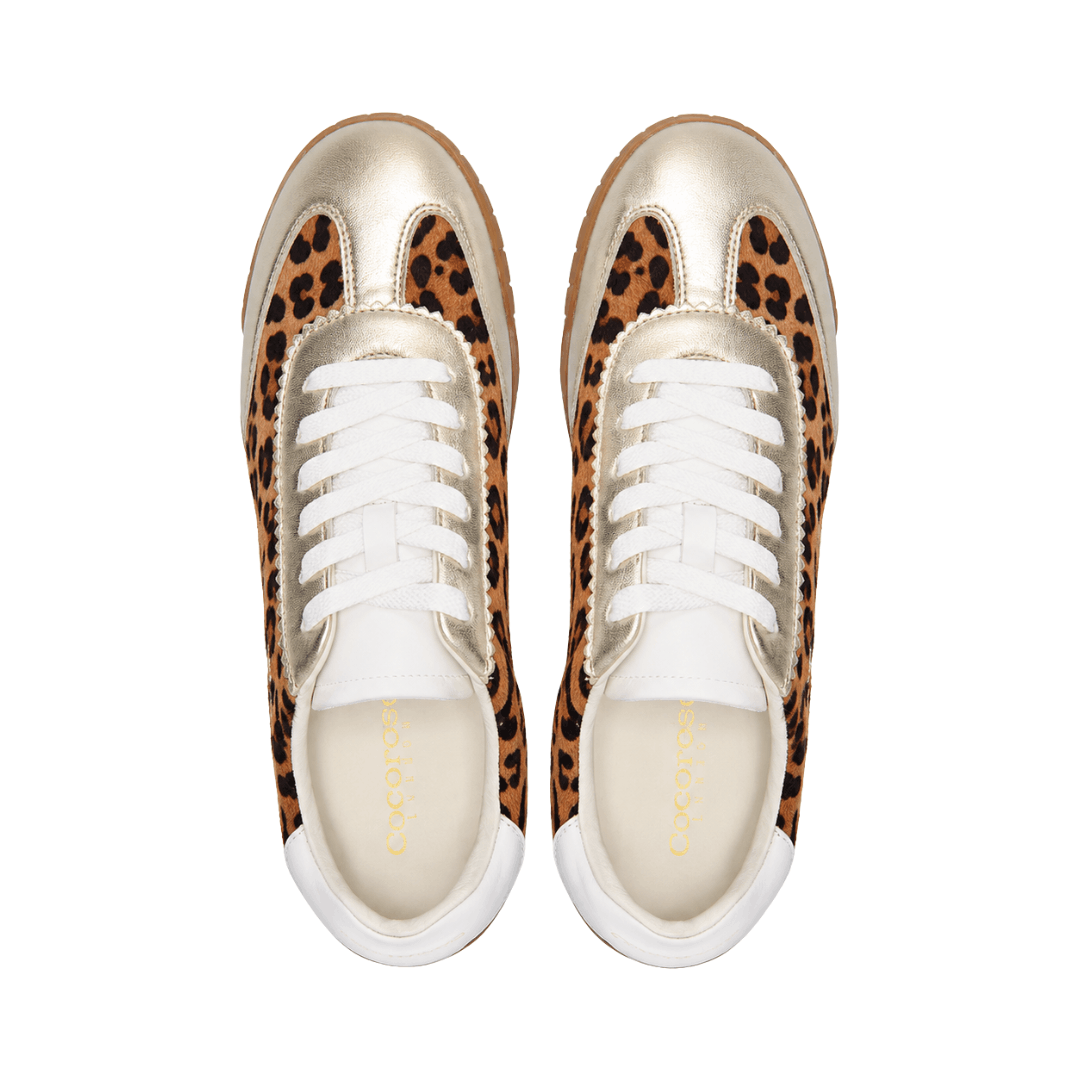
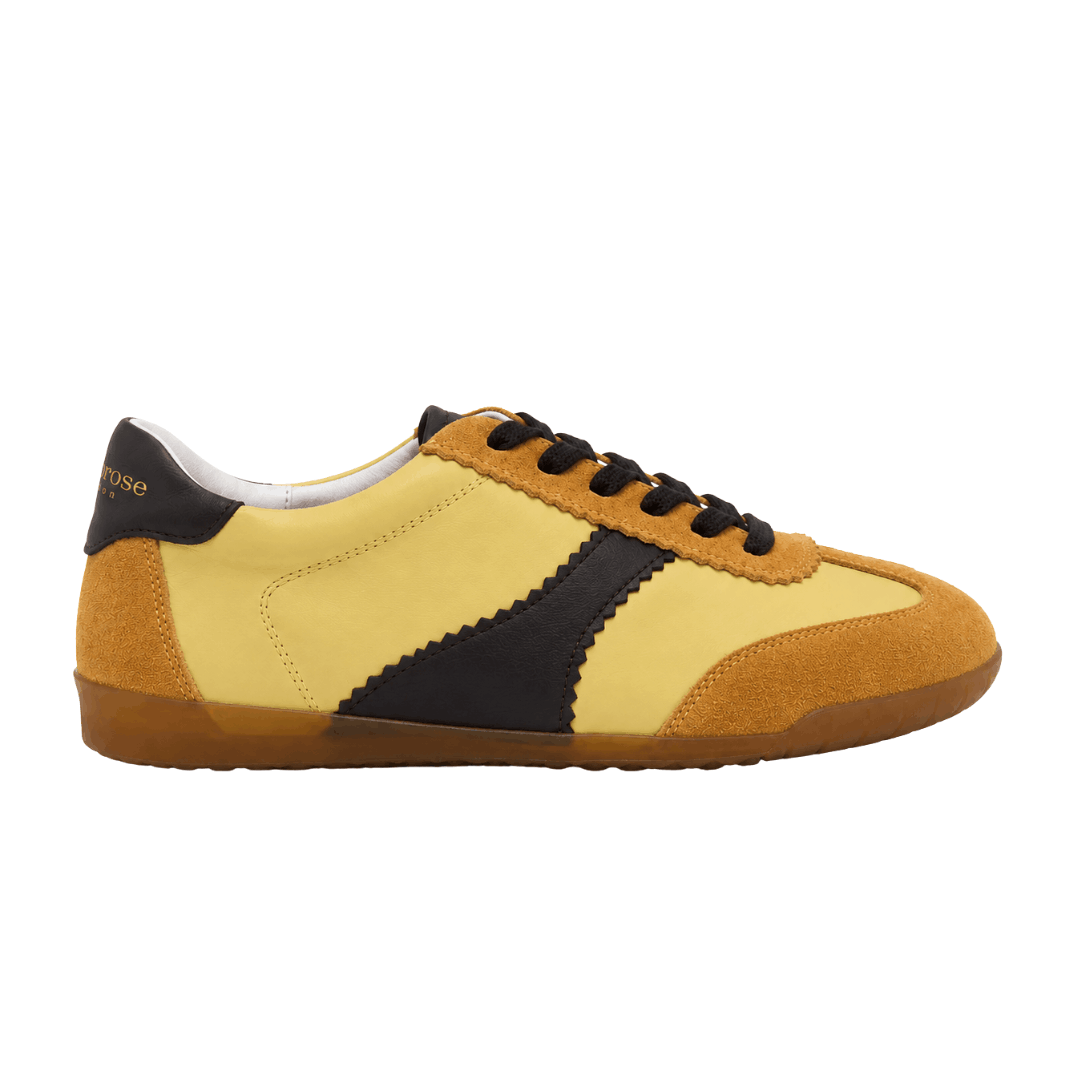
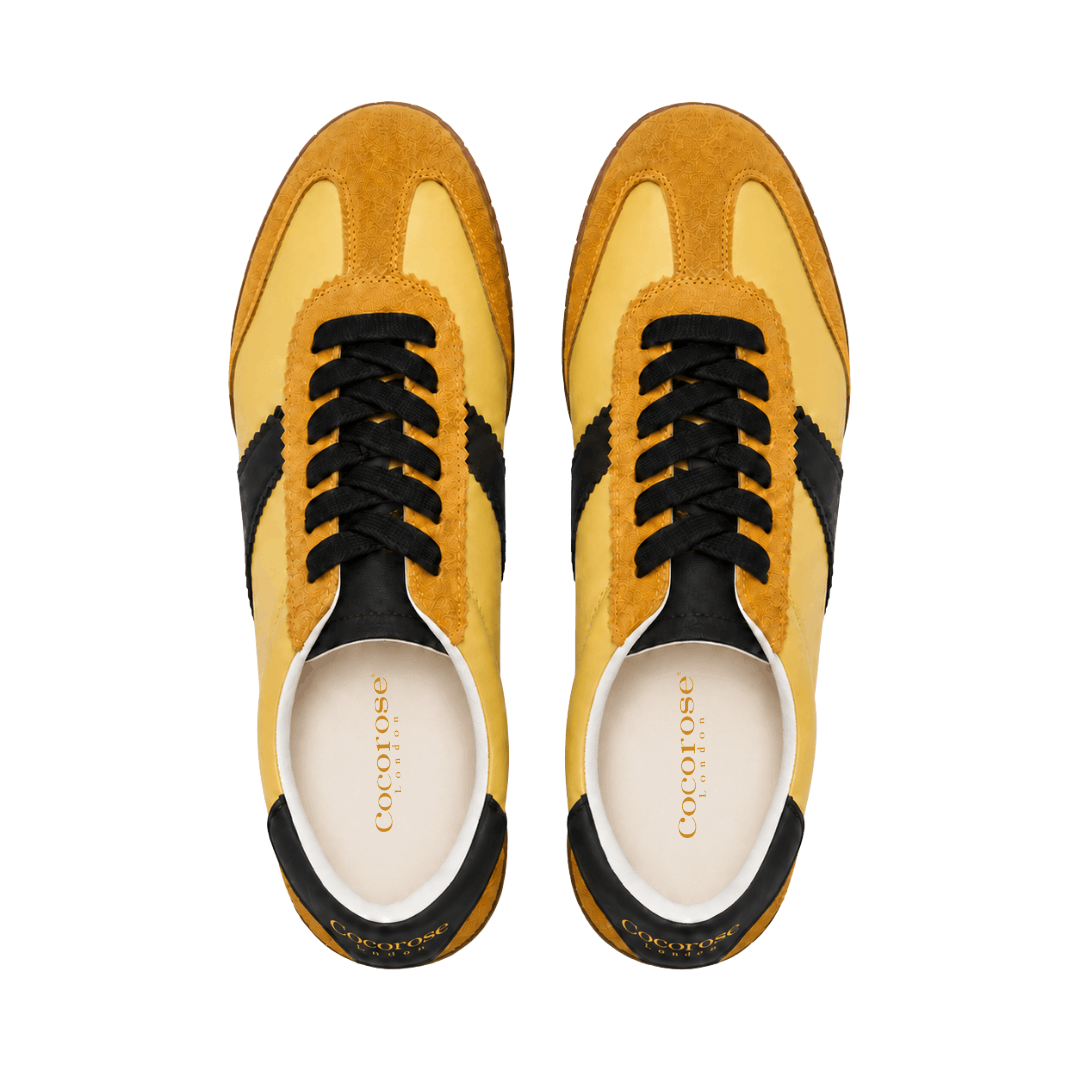
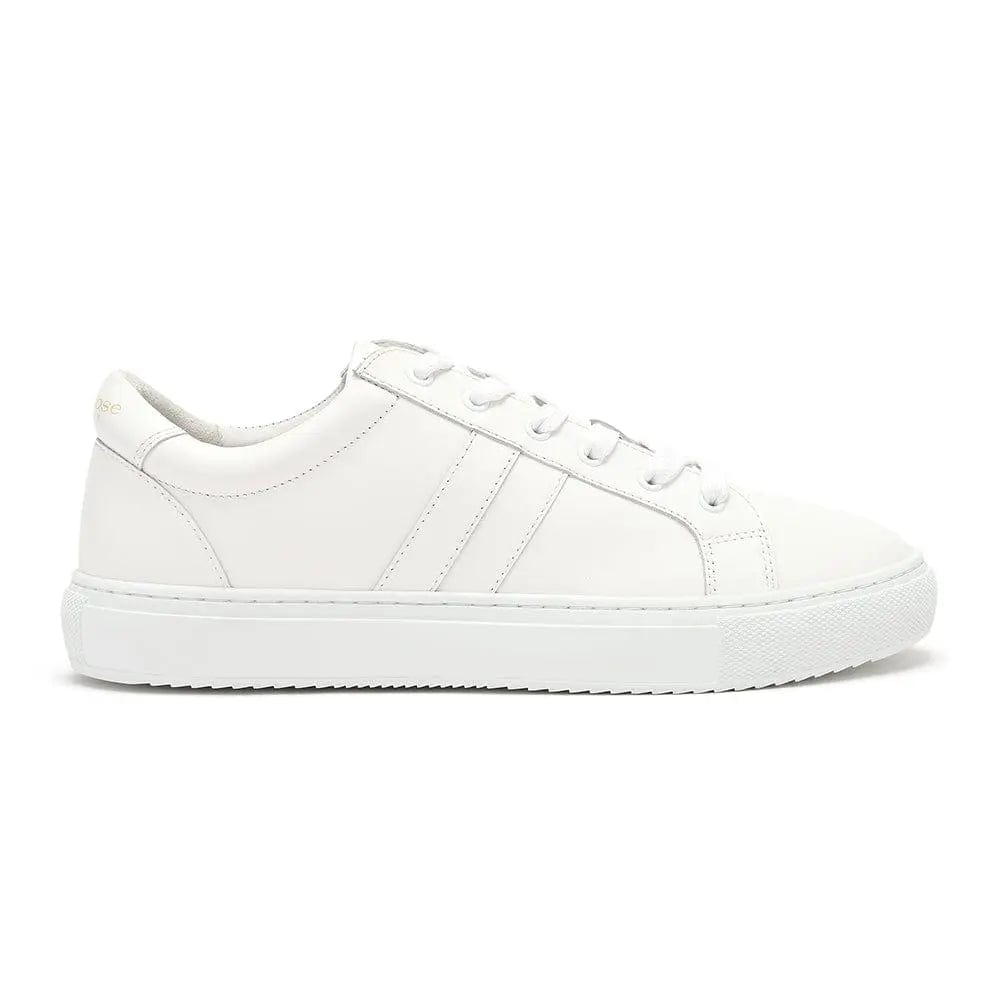
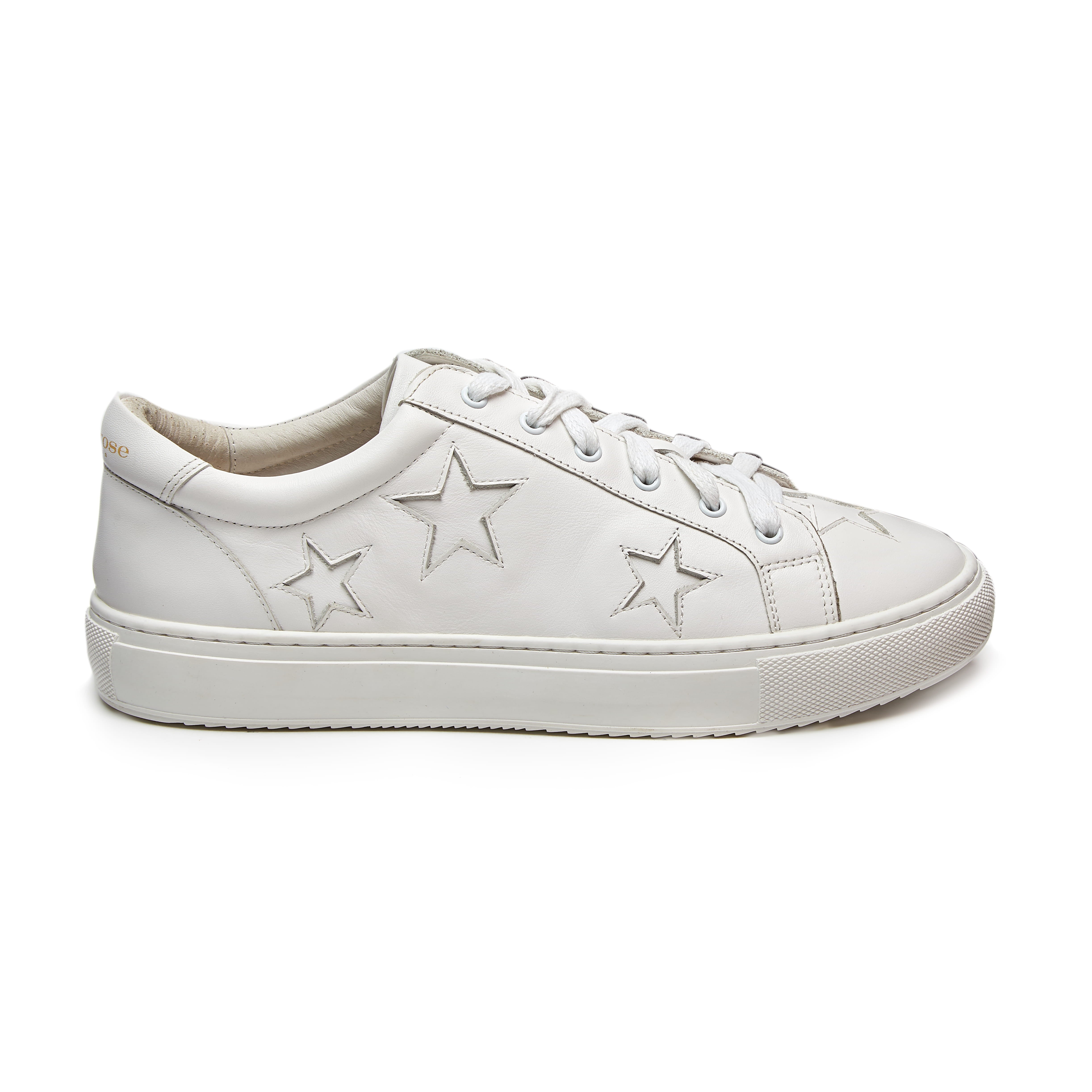
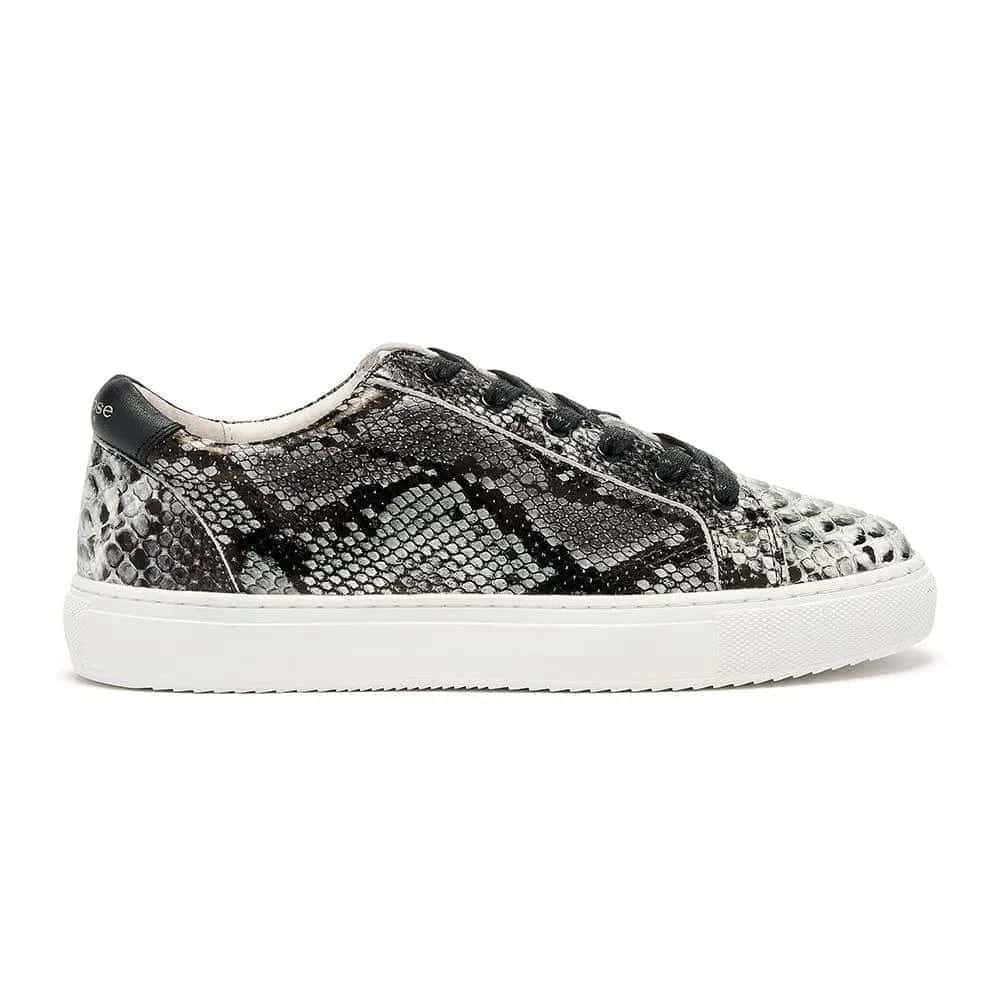
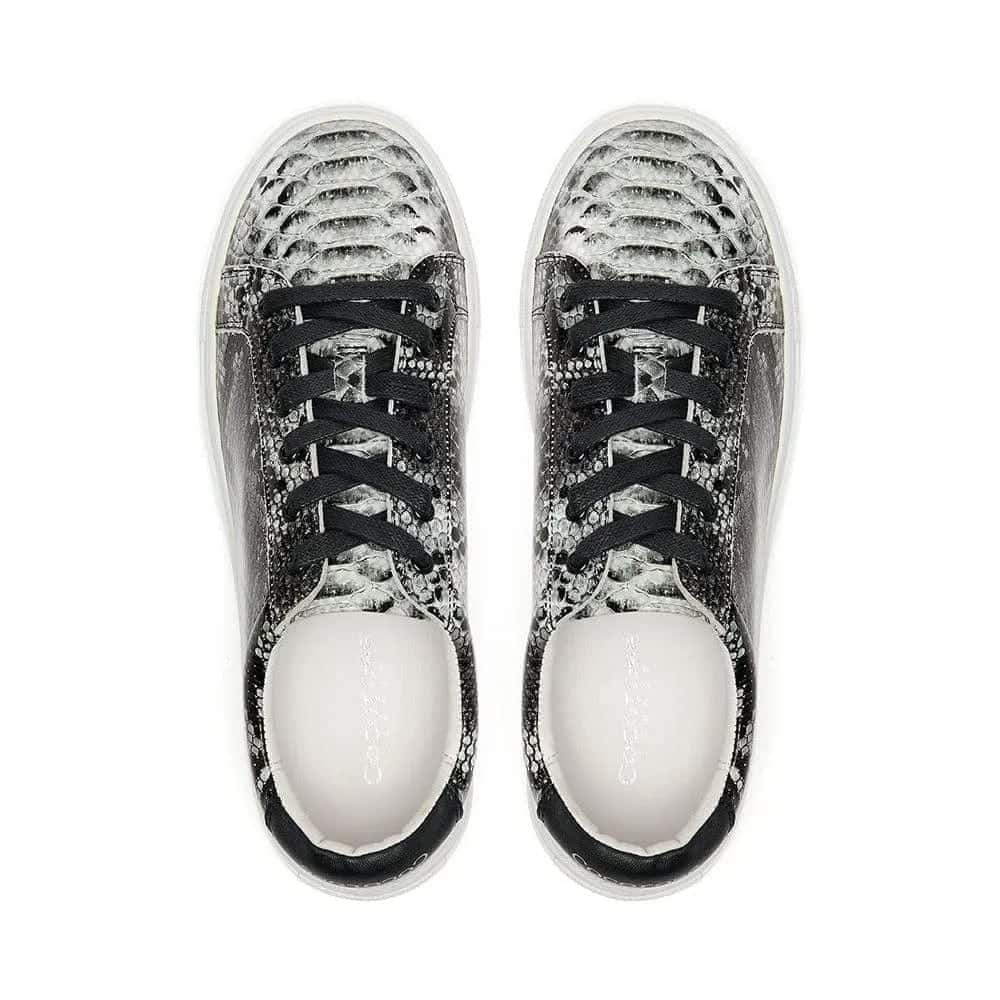
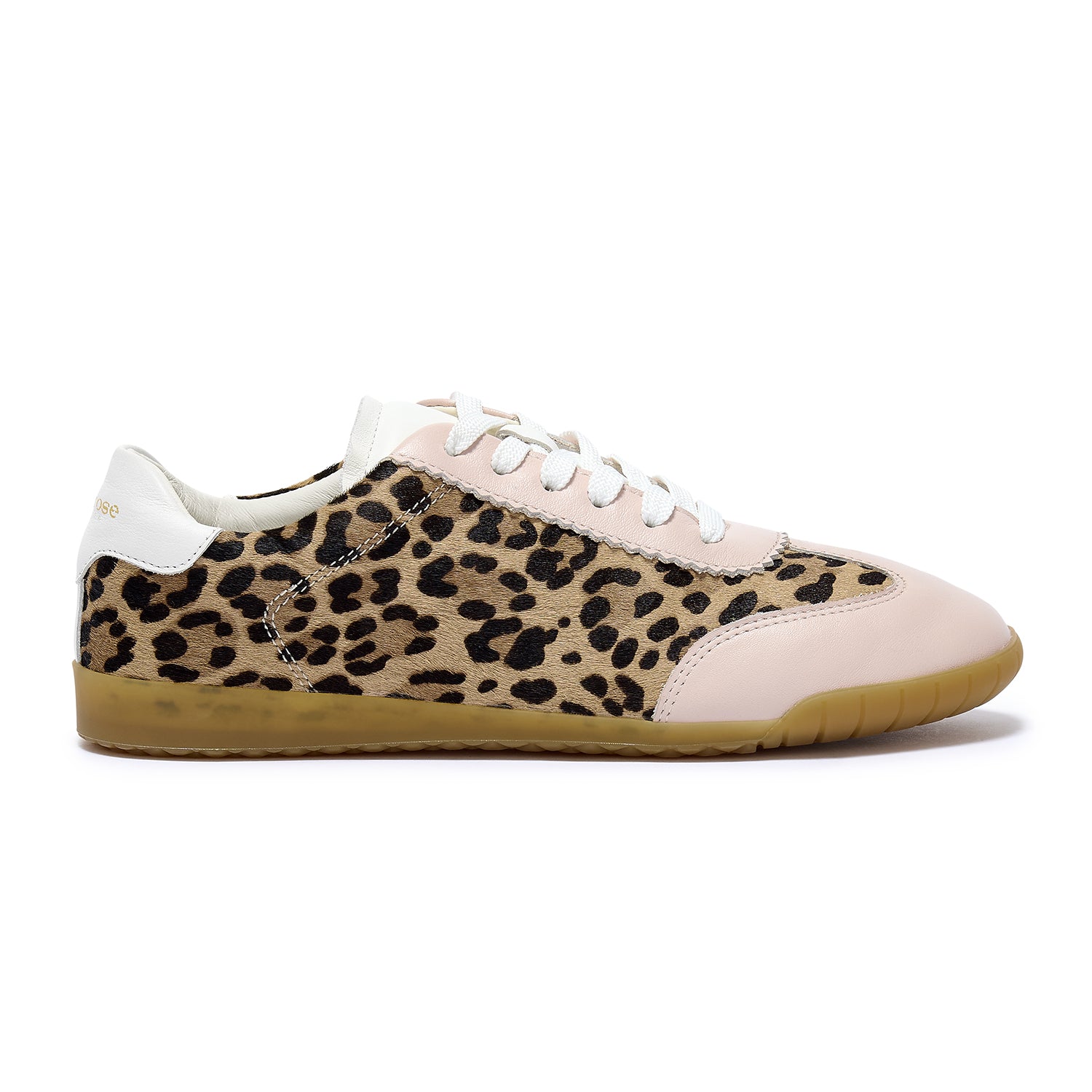
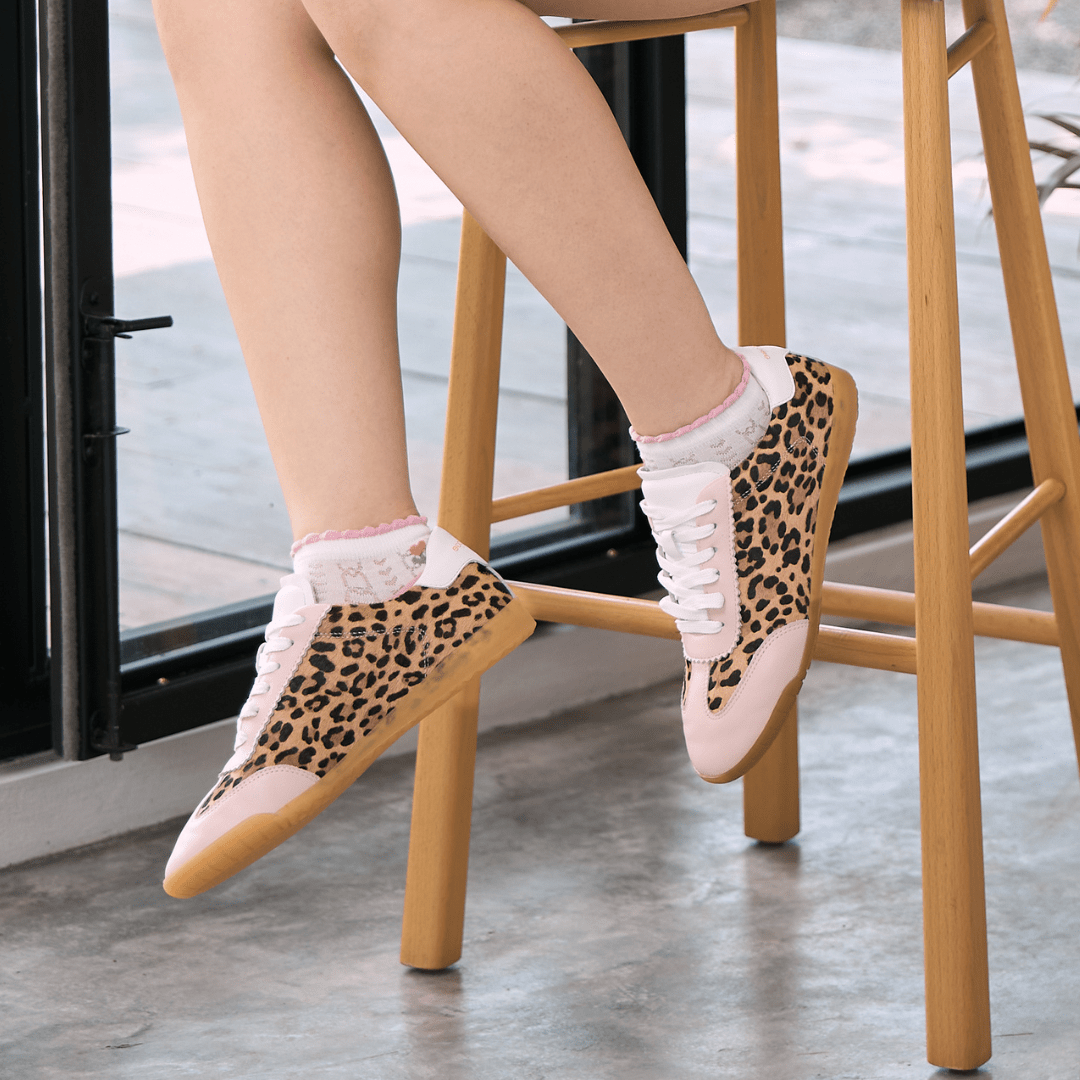
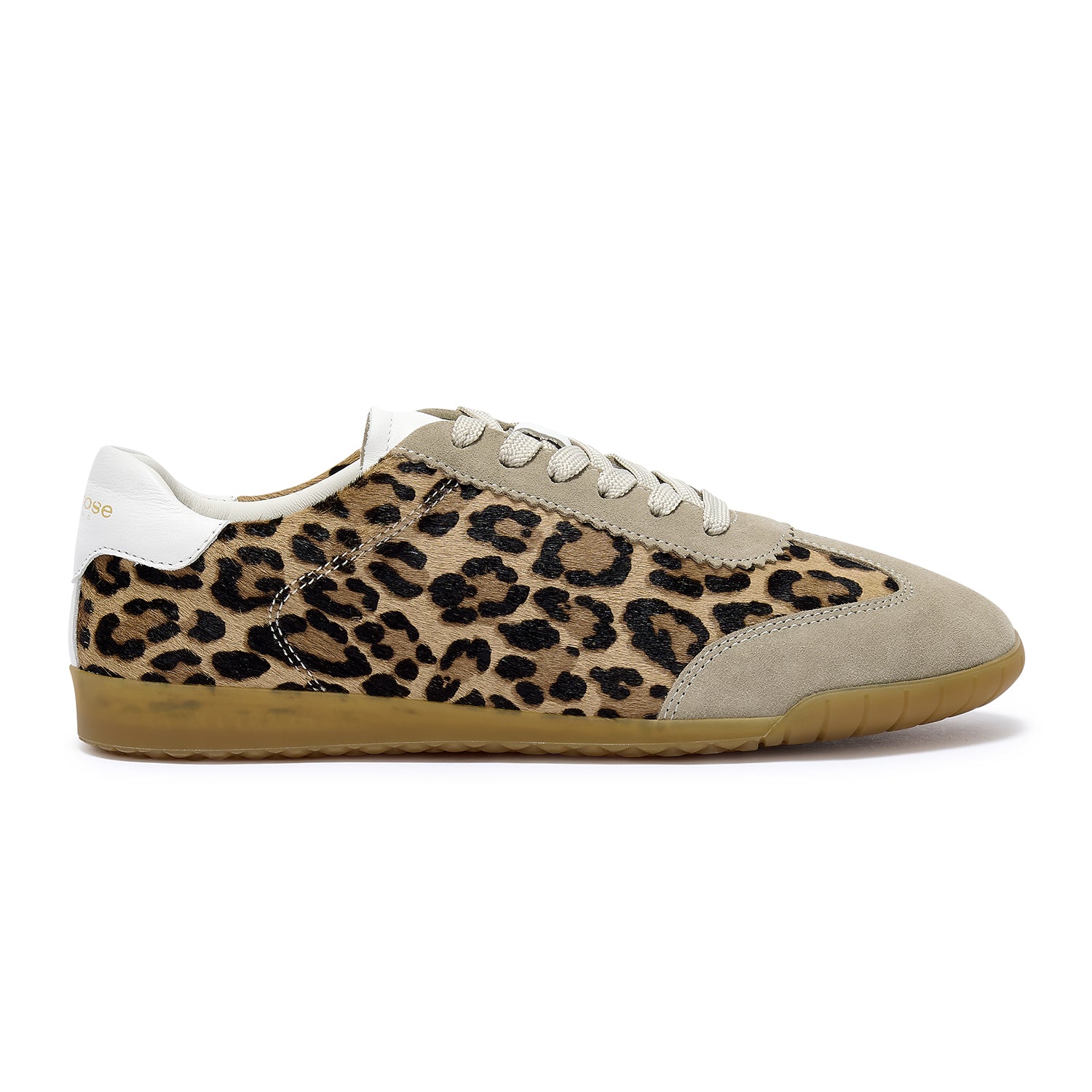
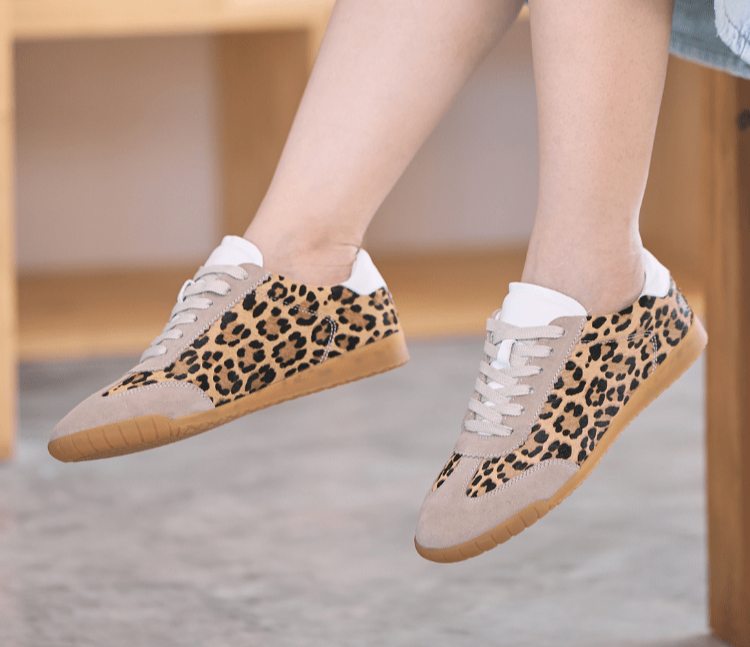
Explore our collection of styles in our Women's Trainers edit.
Slang Wars: "Creps" vs. "Kicks"
It turns out the evolution didn't stop at the turn of the 20th century. Modern sneaker culture (err, can we call this "trainer culture" !) has birthed its own lexicon.
If you are reading fashion blogs, know your Boxfresh from Distressed, or listening to Gen Z, you might hear:
- "Kicks": The dominant US slang. It feels active and rhythmic.
- "Creps": London slang (East London/Grime culture origins). "Nice creps, mate."
- "Beaters": The shoes you wear every day, until they fall apart (universal).
- "Grails": The shoes you want but can't afford - definitely new term to me!
Why The Name Matters (And Why We Use Both)
At Cocorose London, we have been asked why we sometimes sprinkle the word "sneaker" into our shoe descriptions, our blog articles and guides. Mostly it’s about connection with our customers and how we all search for shoes on line.
The Digital Age: We live in a global village, we are all connected to what's happening everywhere. When our customers in Baltimore or Cape Town search for comfortable footwear, they type "leather sneakers" into Google or Perplexity. We want to make sure they find us.
Fashion Fluidity: "Sneaker" has taken on a far more fashion-forward, lifestyle connotation in recent years, whereas "trainer" can sometimes sound strictly athletic. We design Women's Trainers that it could be said 'blur that line'. So they are ideal for the commute to work, wearing in the office, and going about life at the weekend.
The Verdict
Whether you call them trainers, sneakers, kicks, runners, or takkies, the desire is the same: footwear that supports you, comforts you, and looks fabulous doing it.
So, the next time an American friend compliments your "sneakers," don't correct them. Just smile, knowing you’re "training" them on British style, one step at a time.
Frequently Asked Questions (FAQ) about Trainers v's Sneakers
Here are many things you need to know about the Trainer vs. Sneaker debate, summarized for quick reference.
Why do Americans call trainers "sneakers"?
Americans call them sneakers because of the rubber sole. In the late 19th century, rubber soles were a new technology that made the shoes incredibly quiet compared to noisy leather-soled dress shoes. This allowed the wearer to "sneak" around silently. The term was popularized by marketing agent Henry Nelson McKinney around 1917.
What is the British word for sneakers?
The British word for sneakers is trainers. This is short for "training shoes," reflecting the footwear's original purpose as athletic gear for sports and exercise.
Are there other names for trainers around the world?
Yes! The names vary significantly by region:
Canada/Ireland: Runners. South Africa: Takkies. Australia: Sandshoes or Runners. France: Baskets. Germany: Turnschuhe
Is there a difference between "Tennis Shoes" and "Sneakers"?
Technically, yes, but culturally, often no. "Tennis shoes" originally referred specifically to canvas-topped, rubber-soled shoes designed for the court. However, in many parts of the southern United States and in France, "tennis shoes" is used as a generic term for all athletic footwear, used interchangeably with sneakers.
Why do fashion brands use both terms?
Brands use both terms to ensure they are understood by a global audience. E-commence allows brands to sell designs all over the world. For Search Engine Optimization (SEO) and to be found in AI search, it is important to include "sneakers" because it is the most searched term globally, even if the brand is British and historically uses "trainers."
What are "Plimsolls"?
Plimsolls are the ancestors of modern trainers. Originating in Victorian Britain, they were canvas shoes with a solid rubber sole. They were named "Plimsolls" because the line where the rubber met the canvas on the shoe resembled the Plimsoll Line on a ship's hull. If water went above the line, your feet got wet! The name was still widely used in the 60's and 70's.
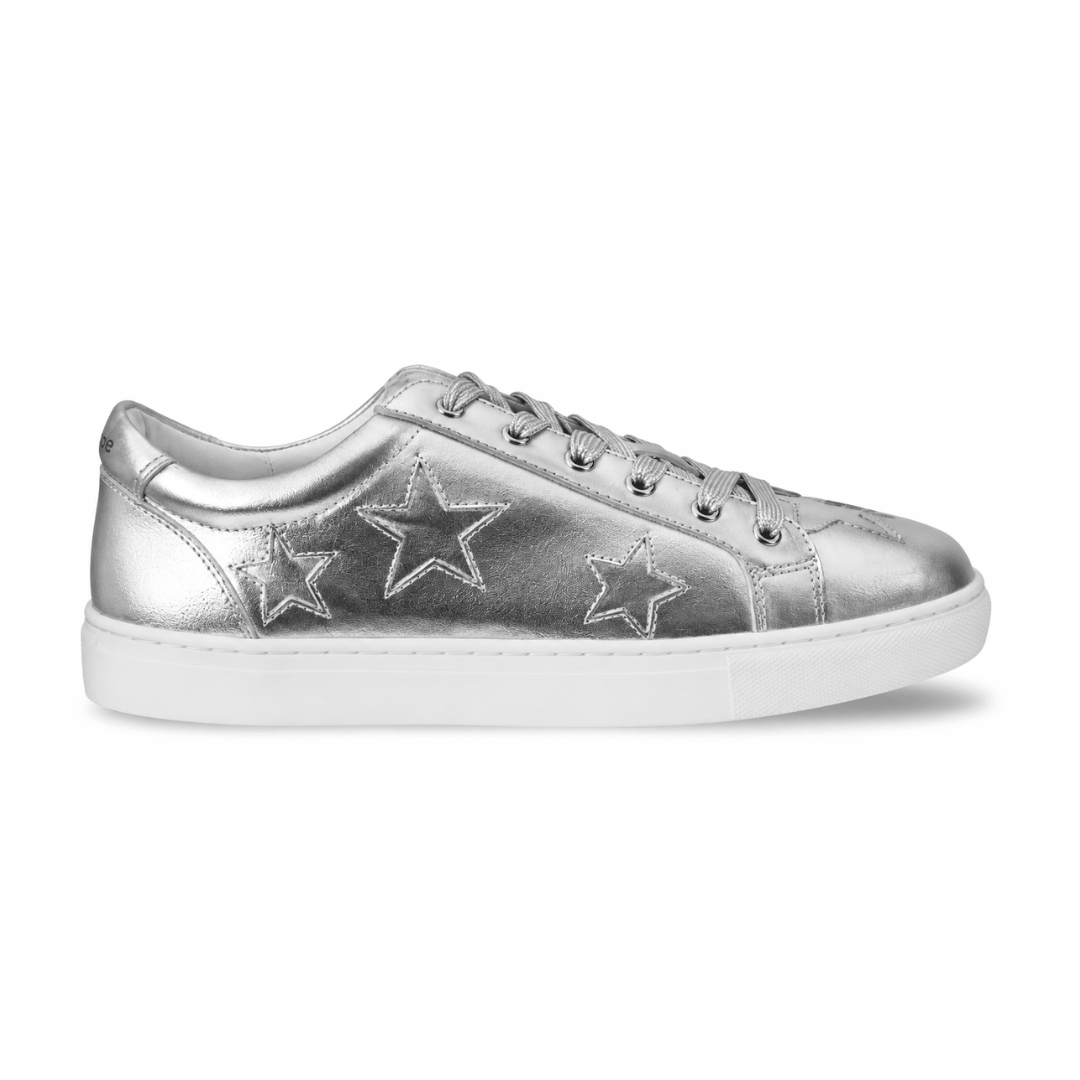
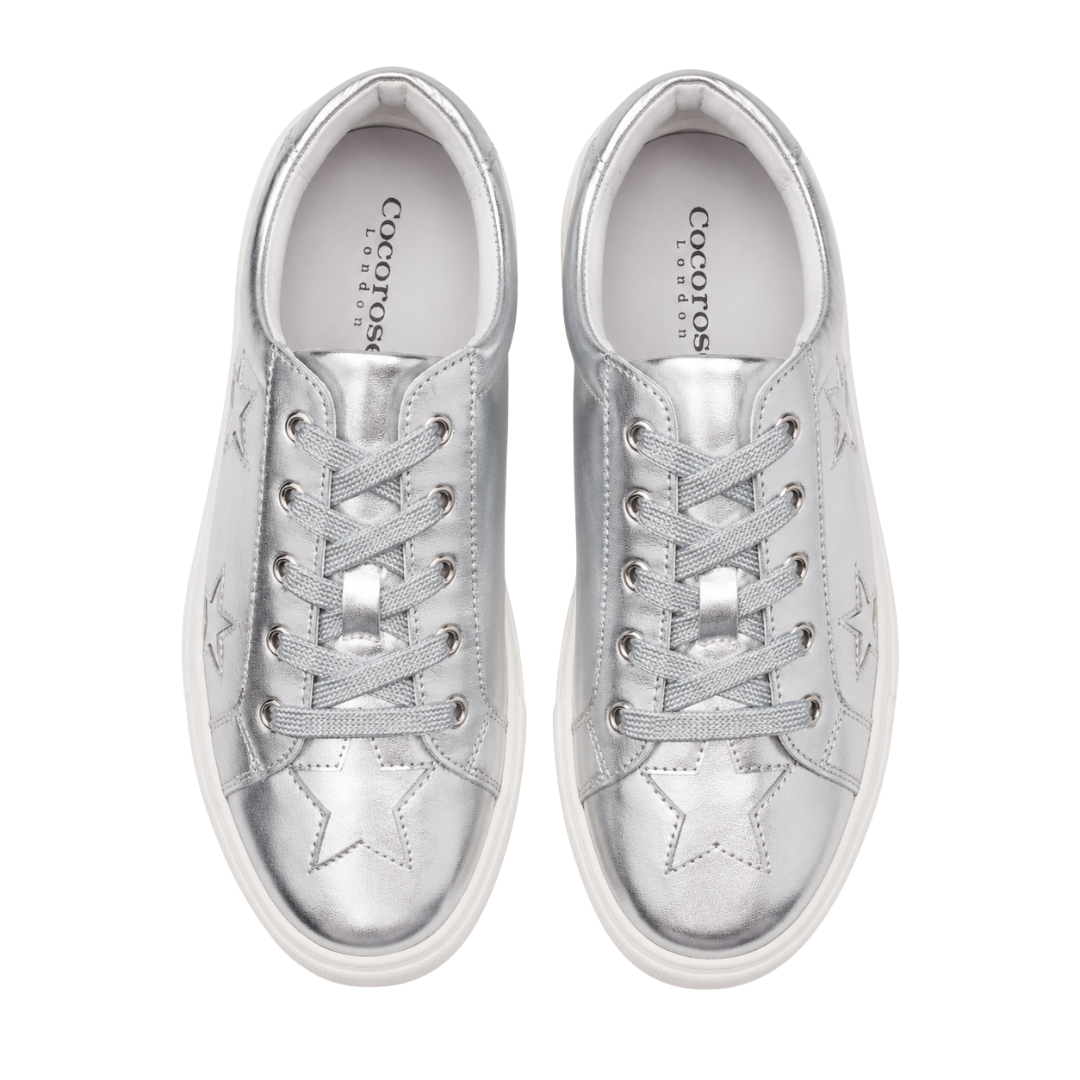
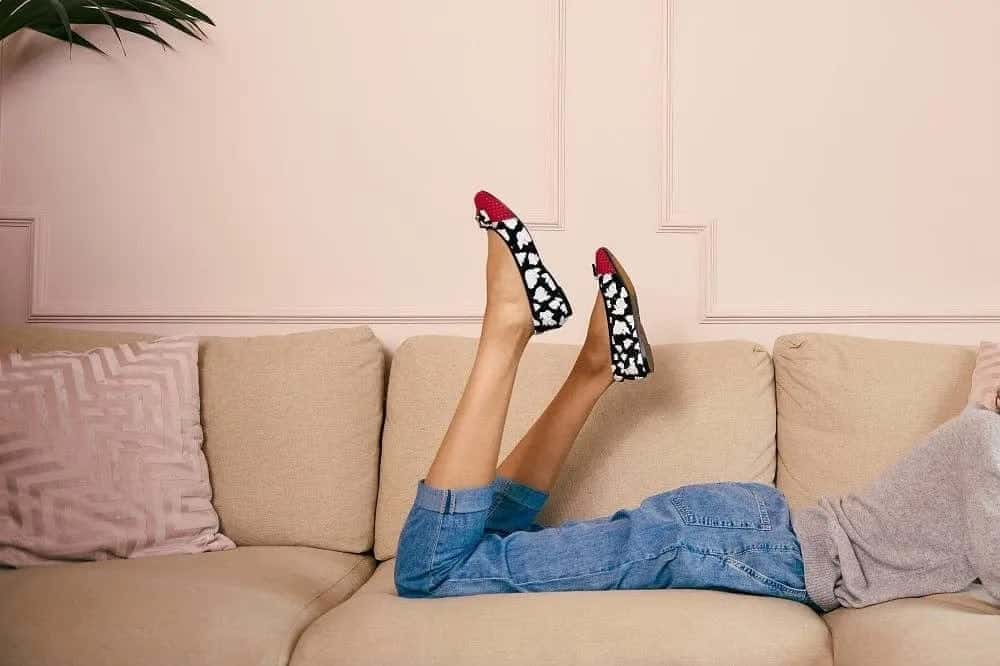
Cocorose London have been in the shoe business since 2007, when Janan Leo created the foldable shoe, since then we have made a wide variety of Ballet flats and trainers for women - all with Style and Comfort at their heart. Explore a collection of our White Women's Trainers and Our Leather Trainers with Stars.
Written by Gareth Austin-Jones



Please leave a comment if you wish
This site is protected by hCaptcha and the hCaptcha Privacy Policy and Terms of Service apply.