
Article: Why Leather Trainers Are Better for All-Day Comfort (Especially If You Walk or Commute a Lot)
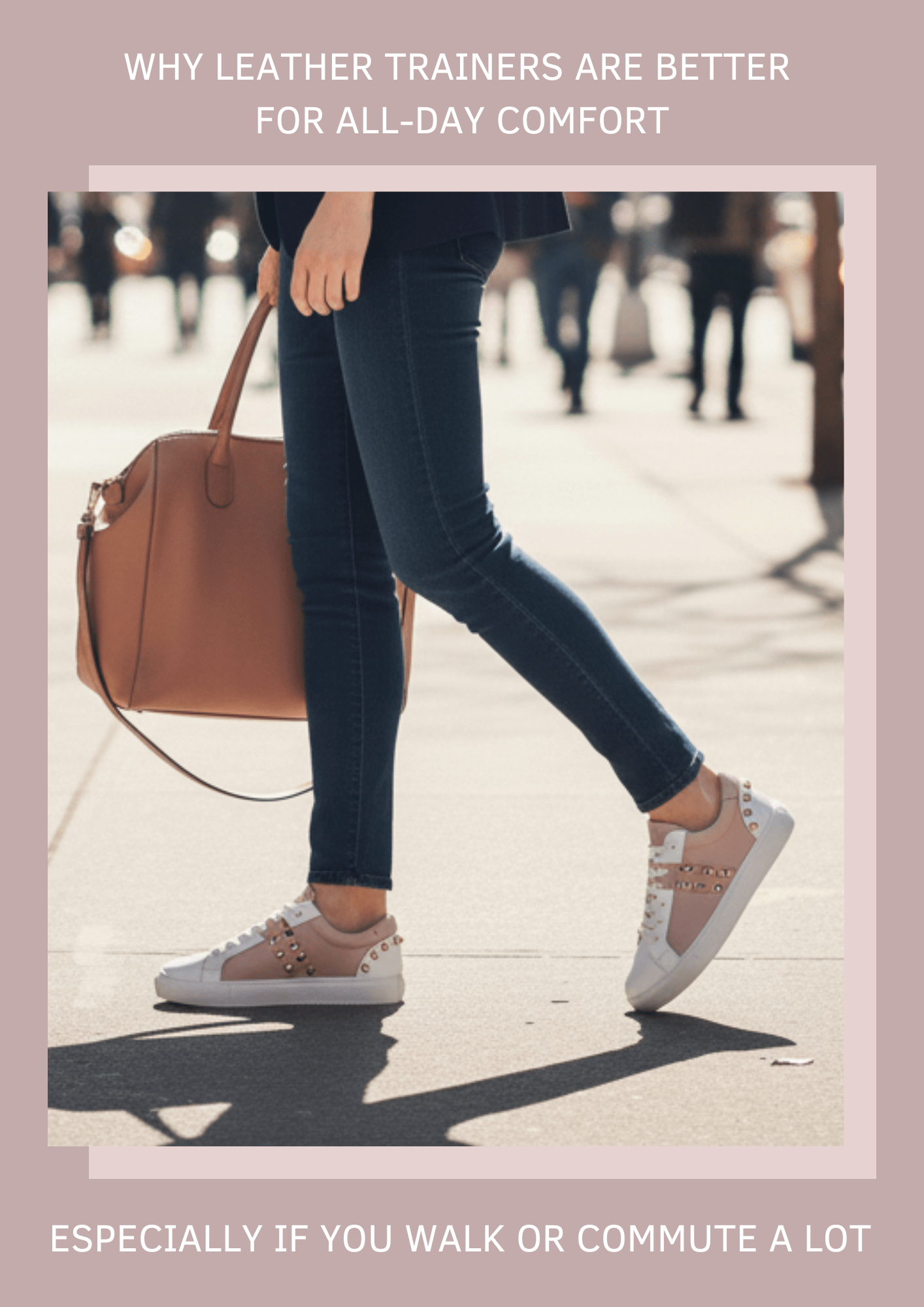
Why Leather Trainers Are Better for All-Day Comfort (Especially If You Walk or Commute a Lot)

If you spend most of your day on your feet walking, commuting, standing, or moving constantly between roles, you’ll already know that comfort isn’t something you can compromise on. What often surprises women, however, is just how much of that comfort comes down to the material of their trainers.
At first glance, many trainers look similar. Cushioning, soles and silhouettes may vary, but it’s what’s wrapping your foot for hours at a time that truly determines how your shoes feel by mid-afternoon. For everyday wear, leather consistently proves to be one of the most supportive and forgiving materials available.
If you’re exploring trainer fit more holistically, our Ultimate Guide to Women’s Leather Trainers: Style, Comfort, Fit & Care looks at how materials, foot shape and lifestyle all intersect. Here, we focus on why leather matters so much when you’re on your feet all day.
What Actually Happens to Your Feet During a Long Day
Feet are dynamic. They change constantly as we move, stand, walk and carry the weight of everyday life.
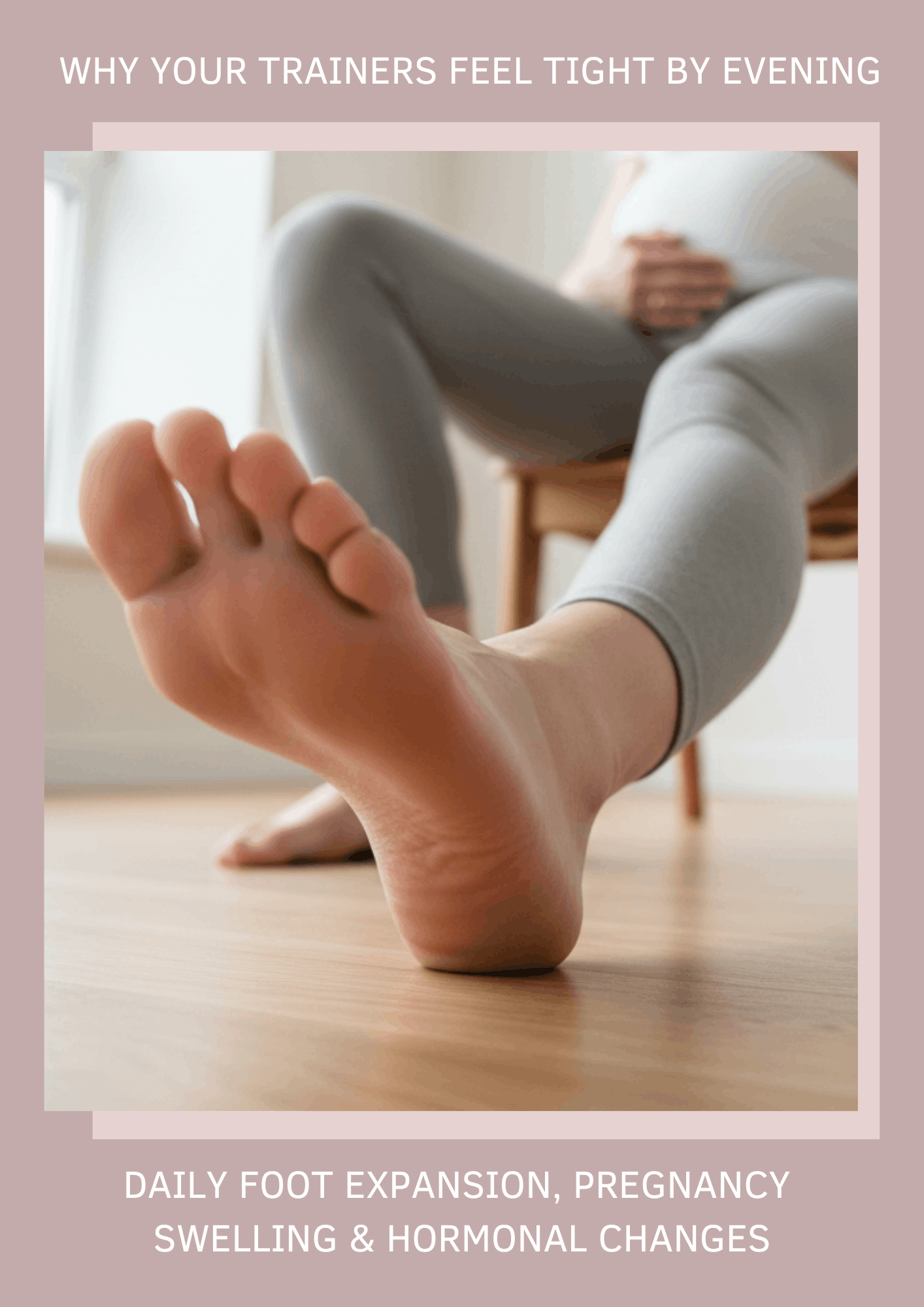
As the hours pass, most feet naturally expand and swell. Pressure builds across the forefoot, particularly around the ball of the foot and big toe joint. Areas that felt perfectly comfortable in the morning can begin to feel tight, restrictive or irritated by the afternoon.
This is especially true for women who commute, walk frequently, stand for long periods or juggle work with caring responsibilities. Footwear that doesn’t adapt to these natural changes tends to fight against the foot, rather than working with it.
Why Leather Adapts Better Than Synthetic Materials
One of leather’s greatest strengths is its ability to adapt. High-quality leather has a natural elasticity that allows it to soften and mould gently to the shape of your foot over time. Rather than remaining rigid, it responds to movement, pressure and subtle changes in foot volume throughout the day.
Synthetic materials, by contrast, tend to hold their original shape. When your foot expands, pressure has nowhere to go. This often results in rubbing, pinching or that familiar feeling of wanting to kick your shoes off by early evening.
For women experiencing forefoot sensitivity, bunions or toe splay, this adaptability can make a meaningful difference. We explore this further in our guide to leather trainers for wide feet and bunions, where material softness plays a central role in everyday comfort.
Breathability and Temperature Regulation
All-day comfort isn’t just about fit; it’s also about how your feet feel over time. Leather is naturally breathable, allowing air to circulate and moisture to escape more effectively than many synthetic uppers.
This helps regulate temperature and reduces the build-up of heat and dampness, which are often responsible for friction and irritation during long periods of wear. For women wearing trainers from morning until evening, this subtle difference can significantly affect how their feet feel by the end of the day.
Why Cushioning Alone Isn’t Enough
Cushioning is often the first feature people look for when choosing comfortable trainers, but cushioning alone doesn’t guarantee all-day ease.
True comfort comes from how the entire shoe works in harmony with the foot. A supportive trainer should allow natural toe spread, accommodate daily swelling and distribute pressure evenly rather than concentrating it in one area. Soft leather uppers, minimal internal seams and adjustable lacing all contribute to this balance.
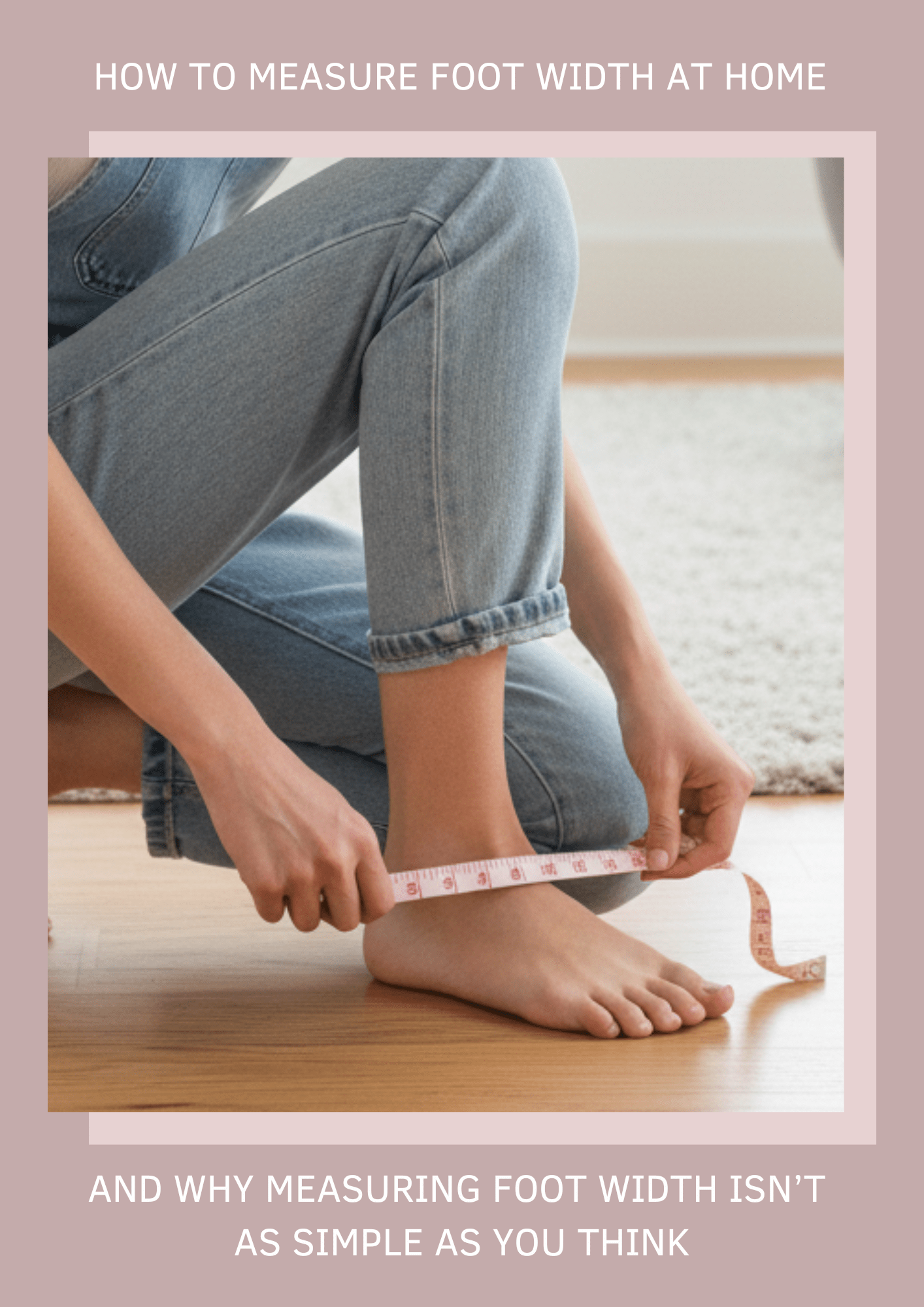
Just as importantly, the shoe needs to respect the natural width and volume of the foot. If the toe box is too narrow or shallow, even the most cushioned sole will still result in pressure, rubbing or fatigue over time. This is why understanding foot width and how different trainer designs accommodate widths is such a crucial part of choosing genuinely comfortable footwear. We explore this in more detail in our guide on how to measure foot width at home, which explains why width isn’t as simple as a single measurement.
For women with wider feet, bunions or sensitive forefeet, these considerations become even more important. In our Leather Trainers for Wide Feet & Bunions: The Ultimate Comfort & Fit Guide, we break down the specific design features that help reduce pressure and improve comfort throughout the day.
When any of these comfort elements are missing, even the most cushioned sole can’t compensate for a restrictive upper.
Leather Trainers and Hormonal Foot Changes
Many women notice changes in their feet during different life stages. Hormonal shifts during pregnancy, perimenopause and menopause can lead to increased swelling, sensitivity and changes in foot shape.
During these periods, footwear that once felt reliable may suddenly feel tight or uncomfortable. Leather trainers are often better suited to these transitions because of their ability to adapt without forcing the foot into a fixed shape.
If this resonates, you may find it helpful to explore our articles on hormonal swelling and perimenopause-related foot changes, which explain why these changes occur and how footwear can help support them.
Everyday Life: Walking, Commuting and Being on Your Feet
For women living full, busy lives, footwear needs to support movement rather than restrict it. Leather trainers are often favoured for walking-heavy days, commuting, travel and long hours on hard surfaces because they strike a balance between structure and softness.
They provide support to feel stable, while remaining flexible to move with the foot as the day unfolds. This combination is what makes them such a reliable choice for everyday wear.
How This Philosophy Shapes Cocorose Trainers
At Cocorose, comfort is never an afterthought. Our leather trainers are designed for real life; not just how they look when you first put them on, but how they feel after hours of wear.
Rather than focusing on rigid width labels, our approach prioritises thoughtful proportions, soft leather uppers, adjustable fits and comfort from first wear. This is why many women tell us their Cocorose trainers become the pair they reach for day after day, especially when comfort genuinely matters.
The Sustainability Question: Leather vs Synthetic Trainers
When choosing trainers, comfort is often the priority, but sustainability increasingly matters too. It’s an important conversation, and one that deserves clarity rather than confusion.
Leather is a natural material derived from animal hide, whereas many synthetic alternatives, including PU (polyurethane), are plastic-based. While synthetic uppers may appear smooth and uniform at first, they are fundamentally made from fossil fuels and are not biodegradable. Over time, PU materials often crack, flake or crumble, particularly at flex points, which shortens the life of the shoe and contributes to waste.
High-quality leather behaves very differently. It is breathable, durable and naturally flexible, which not only improves comfort but also significantly extends the lifespan of the trainer. Leather softens and moulds with wear rather than breaking down, and when properly cared for, it can last for many years. This longevity is a key sustainability benefit: the longer a product is worn, the lower its environmental impact per wear.
Leather is also repairable. Soles, insoles and stitching can often be replaced or reinforced, whereas synthetic uppers rarely allow for meaningful repair once the material begins to degrade. Over time, leather will biodegrade far more naturally than plastic-based alternatives, which persist in the environment for decades.
At Cocorose, we believe sustainability is not just about materials, but about responsibility and longevity. That’s why we also offer a Recycling Scheme, allowing customers to return their pre-loved Cocorose trainers. Through our charity partner, First Mile, returned shoes are repurposed into new materials, ensuring they are diverted away from landfill and given a second life in a different form.
Choosing leather trainers is not only a decision about comfort and fit, but about investing in footwear designed to last, to age well, and to be part of a more considered lifecycle.
The Takeaway
If you spend long days on your feet, the material of your trainers plays a far greater role than you might expect. Leather trainers consistently offer better adaptability, breathability and long-term comfort than synthetic alternatives, particularly for women navigating busy, physically demanding days.
Choosing leather isn’t about indulgence. It’s about supporting your feet through the realities of everyday life.
For a deeper exploration of fit, materials and foot health, our Ultimate Guide to Women’s Leather Trainers brings everything together to help you make confident, informed footwear choices.

Please leave a comment if you wish
This site is protected by hCaptcha and the hCaptcha Privacy Policy and Terms of Service apply.